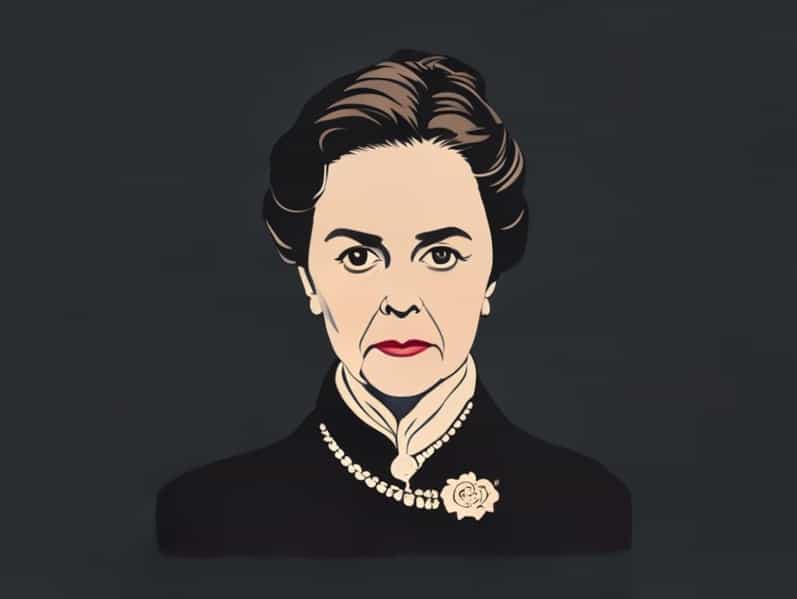
Imelda Staunton’s involvement in the Downton Abbey universe brought an extra layer of prestige and complexity to an already beloved franchise. Known for her commanding presence, Staunton joined the cast of the Downton Abbey films as Maud Bagshaw, a distant relative of the Crawley family. Her performance added emotional depth and social tension to the storyline, bridging themes of family loyalty, class boundaries, and generational change. Fans of the series and admirers of Staunton’s versatile acting celebrated her portrayal as one of the most memorable additions to the Downton saga.
Imelda Staunton’s Role as Maud Bagshaw
In the 2019 Downton Abbey film, Imelda Staunton plays Lady Maud Bagshaw, a cousin to the Dowager Countess of Grantham, Violet Crawley, played by Maggie Smith. The character’s arrival at Downton is not simply a social call; it brings long-standing family tensions to the forefront. Lady Bagshaw’s decision regarding her estate and inheritance becomes a central point of conflict, especially because it does not follow the traditional aristocratic expectations.
Staunton’s portrayal of Maud Bagshaw is a study in restraint and quiet strength. Her character represents the changing social dynamics of early 20th-century England, where issues of inheritance, class, and female agency were evolving rapidly. Maud is both sympathetic and principled, and her interactions with Violet Crawley are filled with emotional undercurrents and sharp dialogue hallmarks of the Downton Abbey style.
Family Ties and Real-Life Connection
One fascinating aspect of Imelda Staunton’s appearance in Downton Abbey is her real-life connection to the cast. Staunton is married to Jim Carter, the actor who portrays the iconic butler Mr. Carson in the series and films. Their off-screen marriage added an extra layer of intrigue for fans who enjoyed seeing them share the screen, even though their characters rarely interact directly.
Staunton and Carter’s partnership is one of British theatre and film’s enduring relationships. Both are decorated actors with decades of experience across stage, television, and cinema. Their joint participation in the Downton Abbey film highlighted how the production attracts some of Britain’s finest talent, strengthening its reputation as a cornerstone of modern period drama.
Maud Bagshaw and Lucy Smith A Modern Twist on Inheritance
In Downton Abbey, Lady Maud Bagshaw’s storyline revolves around her relationship with her maid, Lucy Smith, played by Tuppence Middleton. It is revealed that Lucy is actually Maud’s illegitimate daughter, a secret that adds layers of emotional and social tension. By choosing to make Lucy her heir, Maud challenges the rigid inheritance traditions that defined aristocratic England. This plotline reflects the broader theme of social change running through Downton Abbey, as the series often explores the clash between tradition and modernity.
Staunton plays Maud with dignity and compassion, balancing the character’s vulnerability with her quiet defiance of outdated norms. The reveal of her daughter’s true identity serves as one of the film’s most touching moments, showcasing Staunton’s ability to express deep emotion through subtle gestures and expressions rather than overt dramatics.
Imelda Staunton’s Acting Legacy Beyond Downton Abbey
While her role in Downton Abbey is memorable, Imelda Staunton’s career spans far beyond this single performance. She is widely recognized for her versatility and commanding presence in film, theatre, and television. Her most famous roles include Dolores Umbridge in the Harry Potter series, the title character in Vera Drake, and Queen Elizabeth II in Netflix’s The Crown.
Staunton’s background in theatre also shaped her approach to screen acting. Trained at the Royal Academy of Dramatic Art (RADA), she built her reputation through classical and contemporary performances in London’s West End. This theatrical foundation lends her performances a richness and precision that make her stand out in ensemble casts like Downton Abbey.
The Significance of Maud Bagshaw in the Downton Abbey Universe
Lady Maud Bagshaw’s inclusion in the film adaptation was not accidental it was a deliberate choice by creator Julian Fellowes to expand the Crawley family narrative. Her character serves as both a mirror and a contrast to the Dowager Countess. While Violet represents the old guard of the British aristocracy, Maud embodies the more progressive mindset beginning to take root in post-Edwardian society.
Their exchanges reflect larger societal questions about class, inheritance, and women’s roles. Through Staunton’s calm yet assertive portrayal, Maud becomes a symbol of change. She demonstrates that compassion and fairness can coexist with tradition, providing a balance that resonates deeply with modern audiences.
On-Screen Chemistry and Character Dynamics
One of the most engaging aspects of the Downton Abbey film is the interplay between Imelda Staunton’s Lady Bagshaw and Maggie Smith’s Violet Crawley. Both actresses are British screen legends, and their scenes together showcase the kind of sophisticated, layered acting that defines the series. Their dialogues filled with wit, affection, and subtle power struggles highlight generational and moral differences between two women navigating their social positions with grace and intelligence.
Staunton’s grounded energy complements Smith’s razor-sharp humor perfectly. Rather than competing for attention, the two create a dynamic that enriches the story, turning their relationship into one of the emotional cores of the film.
Imelda Staunton’s Approach to Period Roles
Imelda Staunton has long been celebrated for her ability to inhabit historical and period characters with authenticity. In Downton Abbey, her portrayal of Maud Bagshaw reflects her understanding of social nuance and restraint. She avoids caricature and instead delivers a performance rooted in realism. This balance allows her to convey the dignity and quiet rebellion of a woman challenging expectations within a rigid class system.
Her deep understanding of period settings, from costume to dialogue delivery, comes from years of experience in British theatre. Staunton knows how to balance subtle emotional shifts with the formal tone required for historical drama, which is why her addition to Downton Abbey felt seamless.
Audience and Critical Reception
Fans and critics alike praised Imelda Staunton’s performance in the Downton Abbey film. Many highlighted her chemistry with the ensemble cast and her ability to bring depth to what could have been a simple supporting role. Critics noted that Staunton’s Maud Bagshaw was a perfect fit for the Downton universe complex, elegant, and morally grounded.
The subtlety of her performance reminded audiences of why she is considered one of Britain’s finest character actresses. Even in a film filled with beloved characters, her presence stood out for its grace and emotional intelligence. This reaction helped make her character an integral part of the Downton Abbey legacy.
Imelda Staunton’s Legacy and Future Projects
Following her role in Downton Abbey, Imelda Staunton continued to receive widespread acclaim for her later work, especially for portraying Queen Elizabeth II in the final seasons of The Crown. This transition from aristocratic cousin to reigning monarch showcases the range and adaptability that have defined her career. Her ability to move seamlessly between supporting and leading roles keeps her among the most respected performers in the industry.
Staunton’s association with Downton Abbey also solidified her connection with British heritage storytelling a genre that remains popular worldwide. Her nuanced portrayal of Lady Maud Bagshaw demonstrated that even within a grand ensemble, it’s possible to leave a lasting impact through sincerity, subtlety, and emotional truth.
Imelda Staunton’s role in Downton Abbey as Lady Maud Bagshaw exemplifies why she is considered one of the most accomplished actresses of her generation. Through her portrayal, Staunton brought compassion, strength, and complexity to a character that enriched the film’s themes of family, class, and change. Her real-life connection to Jim Carter, her on-screen chemistry with Maggie Smith, and her career-spanning excellence make her contribution to Downton Abbey unforgettable. In many ways, Lady Bagshaw’s quiet defiance and emotional honesty mirror Staunton’s own artistry measured, thoughtful, and timeless.