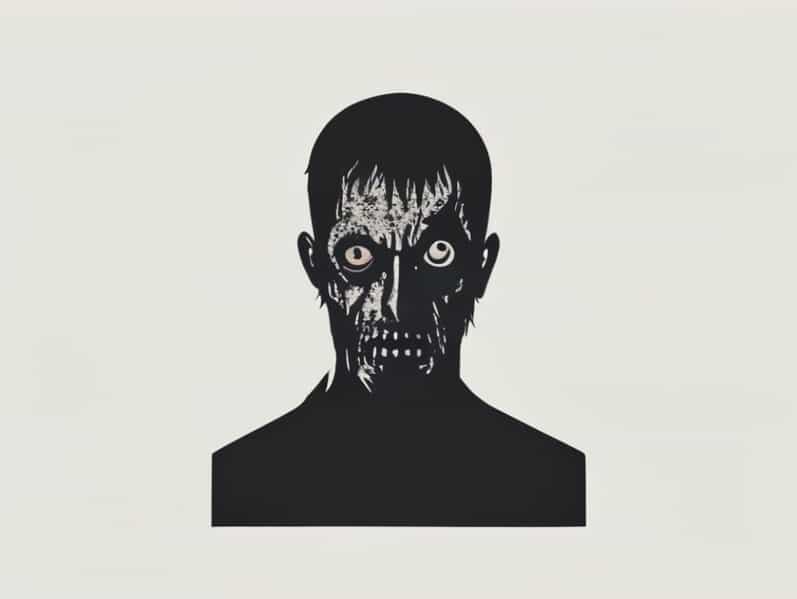
Fear the Walking Dead is a gripping television series that expands the universe of the original Walking Dead franchise, exploring the onset of a global zombie apocalypse from a different perspective. Unlike its predecessor, which starts after society has largely collapsed, Fear the Walking Dead delves into the early stages of the outbreak, providing a unique lens on the chaos, fear, and moral dilemmas faced by ordinary people. The show examines human resilience, ethical conflicts, and the survival instinct in the face of an unimaginable threat, making it both a horror series and a profound study of human behavior under extreme circumstances. Over the years, the series has developed its own identity while maintaining strong connections to the broader Walking Dead narrative.
The Premise of Fear the Walking Dead
Fear the Walking Dead begins by showing the world as it falls into chaos when the first signs of a zombie outbreak appear. Unlike the main series, which often depicts an already established post-apocalyptic society, this spin-off emphasizes the initial confusion, disbelief, and panic as characters confront the collapse of social order. Viewers follow a diverse cast of characters, including families, first responders, and civilians, as they navigate the terrifying reality of a rapidly spreading virus that reanimates the dead. The show highlights the struggles of survival, the challenge of protecting loved ones, and the constant tension between hope and despair.
Main Characters and Their Development
One of the strengths of Fear the Walking Dead is its focus on character development. Early seasons introduce the Clark and Manawa families, whose lives are dramatically altered by the outbreak. Madison Clark, a high school guidance counselor, emerges as a central figure, demonstrating leadership, adaptability, and moral complexity. Other key characters, including her children Alicia and Nick, evolve from ordinary individuals into survivors capable of making difficult decisions. The series often explores the psychological toll of survival, showing how fear, grief, and moral ambiguity shape human behavior in extreme circumstances.
Thematic Elements in the Series
Fear the Walking Dead explores numerous themes that resonate with audiences, contributing to its popularity and critical acclaim. The show balances horror and drama, focusing not just on the threat of zombies but also on the human condition. Themes such as family loyalty, ethical decision-making, trust, betrayal, and the struggle for power are central to the narrative. The series also examines social issues like addiction, inequality, and the consequences of failing institutions, adding depth to the horror elements and creating a more immersive storytelling experience.
Survival and Moral Dilemmas
Survival is a core theme in Fear the Walking Dead, often forcing characters to make morally complex choices. For example, characters frequently face situations where they must decide between self-preservation and helping others, or choose between long-term safety and immediate needs. These dilemmas are compelling because they reflect real human struggles amplified by extreme circumstances. The show challenges viewers to consider what they would do in similar situations, making the narrative both engaging and thought-provoking.
Connection to The Walking Dead Universe
While Fear the Walking Dead stands on its own, it is deeply connected to the original Walking Dead series. Several crossover events and character appearances tie the two shows together, enriching the overall universe and providing fans with additional context. These connections also allow for storytelling flexibility, as characters may shift between series or shared events impact the broader narrative. The interlinked universe creates opportunities for expanded plotlines, unexpected alliances, and complex character arcs that keep viewers invested across both series.
Settings and Visual Style
Fear the Walking Dead utilizes diverse settings to depict the collapse of society, from urban environments and suburbs to coastal towns and isolated communities. The show’s visual style emphasizes tension and atmosphere, using lighting, camera angles, and sound design to heighten suspense and dread. Each setting is carefully chosen to reflect the challenges characters face, whether they are navigating abandoned buildings, facing hostile survivors, or confronting large groups of zombies. The cinematic approach contributes to the immersive experience, making the threat of the undead and the fragility of human society feel immediate and real.
Evolution of the Series Over Seasons
Since its debut, Fear the Walking Dead has evolved significantly in terms of tone, pacing, and narrative complexity. Early seasons focus heavily on the initial outbreak and the rapid disintegration of society. Later seasons expand the scope of the story, exploring new geographic locations, complex group dynamics, and the ongoing struggle for safety in a world dominated by both the undead and hostile human factions. The series also experiments with time jumps, flashbacks, and nonlinear storytelling, allowing for a deeper exploration of character backstories and motivations.
Key Plot Developments
- Initial outbreak and societal collapse in Los Angeles.
- The Clark family’s journey and their adaptation to the new world.
- Encounters with hostile survivor groups, exploring trust and power struggles.
- Expansion to new locations, including desert and coastal environments, showing different survival challenges.
- Ongoing moral dilemmas and psychological consequences of life in a post-apocalyptic world.
Critical Reception and Popularity
Fear the Walking Dead has received mixed to positive reviews from critics and fans. Many praise the show for its strong character development, exploration of human psychology, and willingness to diverge from the original series. Critics have noted that the early seasons effectively capture the chaos and fear of an emerging apocalypse, while later seasons are recognized for expanding the narrative and increasing dramatic tension. The series has also maintained a loyal fanbase, partly due to its connection to The Walking Dead universe and its focus on character-driven storytelling.
Influence on Popular Culture
The series has influenced popular culture by contributing to the ongoing fascination with zombie apocalypse narratives. Fear the Walking Dead emphasizes not just survival horror but also social commentary, reflecting contemporary fears about societal breakdown, pandemics, and human behavior under pressure. The show’s characters, settings, and story arcs have inspired discussions on morality, resilience, and community, extending its impact beyond entertainment and into cultural analysis.
Fear the Walking Dead offers a compelling addition to the zombie apocalypse genre, combining horror, drama, and social commentary. By focusing on the early stages of the outbreak, the series provides fresh insights into human behavior, ethical challenges, and survival strategies. Its strong characters, thematic depth, and connection to The Walking Dead universe make it both entertaining and thought-provoking. As the series continues to evolve, it remains a significant exploration of fear, resilience, and the complexities of living in a world transformed by the undead. For fans of horror, drama, and character-driven storytelling, Fear the Walking Dead continues to deliver a gripping and immersive experience that challenges both its characters and viewers to confront the realities of survival in a collapsing world.