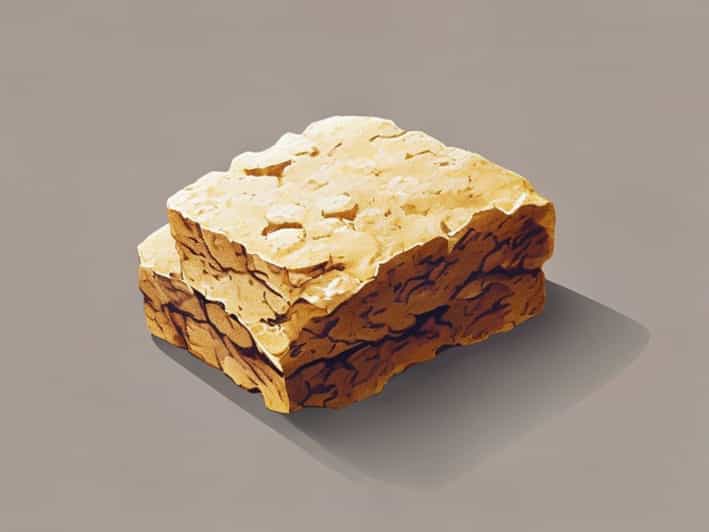
Hardtack is a simple type of biscuit or cracker that has played an important role in history as a long-lasting, durable food source. Its unique characteristics have made it a staple for sailors, soldiers, and explorers for centuries. Understanding the definition of hardtack requires more than simply recognizing it as a type of food; it represents survival, resourcefulness, and practicality in situations where fresh food was unavailable. Hardtack’s historical significance is intertwined with military campaigns, maritime journeys, and early exploration, making it an interesting subject for both culinary and historical enthusiasts. Exploring its definition, composition, uses, and cultural importance provides insight into how this humble biscuit became a legendary survival food.
The Definition of Hardtack
Hardtack is an unleavened biscuit or cracker made from flour, water, and sometimes salt. It is baked to a very hard, dry texture, which allows it to last for long periods without spoiling. Its primary purpose is to serve as a reliable, portable source of sustenance during long journeys, wartime campaigns, or periods when fresh food is scarce. Unlike modern bread or crackers, hardtack is intentionally made extremely hard and dry to maximize shelf life, even though it can be difficult to eat without soaking or softening.
In essence, hardtack is defined not only by its ingredients but also by its durability and function as a long-lasting staple food.
Origins and Historical Background
The origins of hardtack date back to early maritime and military needs, particularly in Europe during the 16th and 17th centuries. Sailors, soldiers, and explorers required food that could withstand long voyages or campaigns without refrigeration. Hardtack, being simple to make, inexpensive, and extremely durable, became a crucial part of their diet. In the United States, hardtack became famously associated with the Civil War, where Union and Confederate soldiers relied on it as a staple ration. Similarly, it was widely used by navies, pioneers, and Arctic explorers due to its impressive shelf life and portability.
Ingredients and Preparation
Hardtack’s simplicity is central to its durability. The primary ingredients include
- Flour usually wheat flour, but variations may use cornmeal or rye.
- Water to bind the flour into a dough.
- Salt optional, for flavor and preservation.
The dough is mixed, rolled out, and cut into squares or rectangles, often with holes punched to prevent swelling during baking. It is then baked at low heat for an extended period to remove as much moisture as possible. The result is an extremely hard, dry biscuit capable of lasting for months or even years if stored properly.
Uses and Consumption
Hardtack’s main function is survival and sustenance. Its consumption methods often reflect its hardness and the ingenuity of those who relied on it
- Soaking in water, coffee, or soup to soften it before eating.
- Crushing into crumbs to mix with other food or make porridge.
- Eating dry, although this requires caution to avoid dental injury.
While hardtack was not known for its flavor or palatability, its nutritional value and longevity made it indispensable in survival situations.
Hardtack in Military History
Hardtack has a prominent place in military history due to its role as a primary ration during prolonged campaigns
- During the American Civil War, soldiers relied on hardtack alongside salted meat as a staple of their diet.
- British and European navies provided sailors with hardtack on long voyages to prevent food shortages.
- Explorers and pioneers in harsh environments used hardtack for energy and sustenance when fresh provisions were unavailable.
Despite its simplicity, hardtack was essential for maintaining the health and endurance of troops and travelers, highlighting its significance in historical logistics and survival strategies.
Hardtack and Cultural Significance
Beyond its practical uses, hardtack has entered cultural memory as a symbol of endurance, resilience, and the resourcefulness of people in challenging conditions. It has appeared in literature, memoirs, and historical accounts as a representation of hardship, fortitude, and the ingenuity required to survive with limited resources. Hardtack also continues to be of interest to historians, reenactors, and survivalists who appreciate its historical context and practical applications.
Modern Variations and Uses
Although hardtack is no longer a common daily food, modern versions exist for camping, hiking, and survival scenarios. These variations often include small improvements for taste or nutritional content while maintaining the original principle of long shelf life and durability
- Flavored hardtack with spices or sugar for more palatable consumption.
- Emergency rations designed for soldiers or disaster preparedness kits.
- Historical recreations and culinary experiences exploring traditional recipes.
Modern hardtack maintains the essence of the original durable, long-lasting, and functional while sometimes accommodating contemporary taste preferences.
Challenges and Practical Tips
Eating traditional hardtack can be challenging due to its extreme hardness. Tips for consumption include
- Soaking it in liquid such as water, tea, or broth to soften it.
- Baking or toasting briefly to improve texture and flavor.
- Breaking into smaller pieces to make it easier to chew.
These methods illustrate the practical ingenuity that has historically allowed people to consume this durable but tough biscuit.
Synonyms and Related Terms
While hardtack has a specific definition, related terms in culinary and historical contexts include
- Biscuit a more general term for baked, hard or soft bread products.
- Ship’s biscuit another name for hardtack, particularly in maritime history.
- Ration biscuit emphasizing its role in survival and military contexts.
These terms highlight the connection between hardtack and its functional, historical, and practical significance.
The definition of hardtack extends beyond being a simple, hard biscuit; it represents durability, survival, and historical significance. From sailors navigating the seas to soldiers enduring long campaigns, hardtack provided a reliable source of sustenance when fresh food was unavailable. Its simple ingredients, long shelf life, and versatility in consumption made it indispensable in historical contexts, while its cultural symbolism endures in literature, reenactments, and modern survivalist practices. Understanding hardtack offers insight into human ingenuity, resilience, and the ways people adapted to challenging conditions throughout history. Today, hardtack continues to remind us of the resourcefulness required to endure and thrive in difficult circumstances, making it a fascinating topic for both culinary and historical exploration.