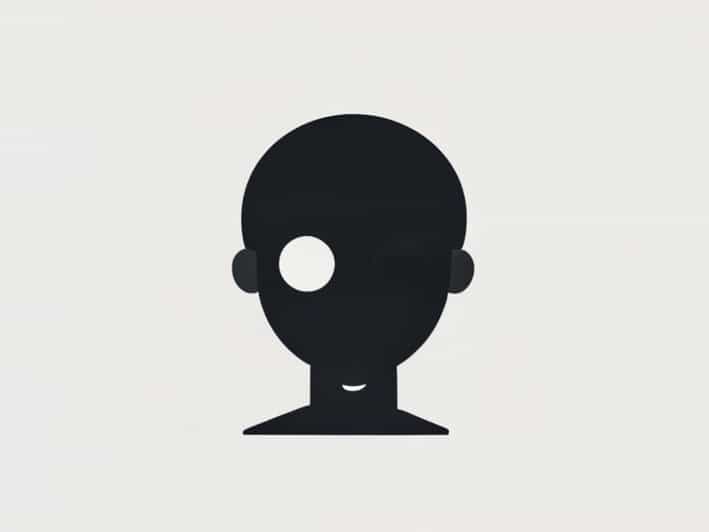
Every person shows different sides of themselves depending on where they are and who they are with. The version of yourself at work may not be exactly the same as the one your family or close friends see. This change is not necessarily fake it’s part of what psychologists and thinkers refer to as your persona. The meaning of persona extends beyond a simple mask or image; it represents the way individuals present themselves to the world, blending aspects of their true personality with the roles society expects them to play.
Definition of Persona
The word persona is a noun that refers to the image, identity, or role that a person displays in public or in specific contexts. It can represent how someone wishes to be perceived by others, whether consciously or unconsciously. A persona is not always identical to a person’s private self; rather, it is a version crafted for social interaction, professional life, or artistic expression.
For instance, an actor may take on a persona in a film that is completely different from their real personality. Similarly, a social media influencer may project a cheerful or confident persona online, even if they are shy or anxious in real life. Everyone develops a persona, whether intentionally or naturally, as a way of fitting into different situations.
Etymology and Origins of Persona
The term persona comes from Latin, originally meaning mask. In ancient Roman theater, actors wore masks called personae to represent different characters. Over time, the term evolved to describe the roles or identities that people adopt in social life. By the 20th century, the concept of persona became widely discussed in psychology and literature, particularly through the work of Carl Jung, who saw it as one of the fundamental elements of human identity.
The Psychological Meaning of Persona
In psychology, the meaning of persona carries deeper significance. The famous Swiss psychiatrist Carl Jung described the persona as the mask an individual wears to adapt to society. According to Jung, every person develops a persona to protect their inner self (the true personality) from external judgment and to function effectively within social norms.
The Role of Persona in Everyday Life
The persona acts as a bridge between the individual and the outside world. It helps people navigate different social environments by adjusting their behavior and communication style. Without a persona, social interactions could become difficult or uncomfortable because individuals would constantly expose their raw emotions and thoughts. The persona, therefore, serves as both protection and adaptation.
The Shadow and the Persona
Jung also emphasized the balance between the persona and the shadow, which represents the hidden or suppressed parts of one’s personality. If someone relies too heavily on their persona becoming overly concerned with appearances or social approval they risk losing touch with their authentic self. On the other hand, rejecting the persona entirely can make it hard to function socially. A healthy personality balances both the public image and the private reality.
Examples of Persona in Different Contexts
The concept of persona is not limited to psychology. It appears in various fields, including art, literature, marketing, and everyday communication. Each context uses the idea slightly differently but shares the core meaning the presentation of identity.
1. Persona in Literature
In literature, a persona refers to the voice or character through which an author speaks in a work. For example, in poetry, the narrator might express emotions or thoughts that are not the author’s own but are instead part of a fictional identity. This literary persona allows writers to explore perspectives beyond their personal experience.
2. Persona in Business and Branding
In marketing, companies create brand personas to shape how the public perceives their products or services. A brand persona might be friendly, professional, adventurous, or trustworthy, depending on the image a company wants to project. For example, a technology company might adopt a sleek, innovative persona, while a children’s brand might choose a playful, caring one. These personas help connect emotionally with target audiences.
3. Persona in Social Media
Social media platforms have made the idea of persona more visible than ever. Many people build online personas that emphasize certain qualities such as success, beauty, or humor while hiding others. While this can help express creativity or confidence, it can also create pressure to maintain an unrealistic image. The challenge is to keep one’s online persona authentic enough to reflect reality while respecting privacy.
The Dual Nature of Persona Authenticity vs. Performance
The meaning of persona often raises questions about authenticity. Is the persona we show others our real self, or is it just a performance? In truth, it can be both. The persona is not necessarily false; it is a filtered version of ourselves designed for interaction. Everyone adjusts behavior slightly depending on the situation being more formal in meetings, more relaxed with friends, and more private at home. These are natural shifts, not signs of deception.
Problems arise when the persona becomes too dominant, causing someone to live entirely for external validation. When a person’s self-worth depends on maintaining a certain image, they may feel disconnected from their genuine emotions and needs. Thus, understanding one’s persona helps achieve balance being adaptable while remaining true to one’s core identity.
Developing a Healthy Persona
A healthy persona is flexible, authentic, and aligned with one’s values. It helps individuals interact successfully in society without feeling fake or constrained. Developing a balanced persona involves self-awareness and honesty about the image one projects.
Ways to Cultivate a Balanced Persona
- Practice self-reflectionRegularly assess how your public behavior aligns with your inner beliefs and feelings.
- Accept imperfectionsA persona should not hide every flaw; small vulnerabilities make a person more relatable and real.
- Be adaptable but consistentAdjust behavior to context, but avoid pretending to be someone completely different in each setting.
- Use empathyUnderstanding how others perceive your persona can improve communication and relationships.
- Maintain boundariesKeep a distinction between your professional persona and your private self to avoid emotional burnout.
By following these principles, a person can build a social identity that supports confidence and connection without sacrificing authenticity.
Persona in Art and Popular Culture
Artists, musicians, and actors often create distinct personas as part of their creative identity. These personas can be bold, exaggerated, or symbolic, helping them express ideas beyond their personal experiences. For example, musicians like David Bowie and Lady Gaga used stage personas to explore different artistic themes and challenge social expectations. These personas became extensions of their creativity, allowing them to reinvent themselves repeatedly while engaging audiences in powerful ways.
In this sense, the persona becomes a form of storytelling an intentional design of identity that communicates emotion, meaning, and message. It demonstrates that the self is not static but can be shaped and reimagined through art, culture, and personal expression.
The Importance of Understanding Persona
Understanding the meaning of persona helps people navigate life more effectively. By recognizing that everyone wears social masks, individuals can develop empathy and reduce judgment. It becomes easier to see that someone’s behavior or attitude might reflect their persona rather than their entire identity. Awareness of one’s own persona also promotes authenticity helping individuals choose how they wish to be perceived without losing connection to their inner values.
In workplaces, for instance, professionals often adopt personas that emphasize reliability, competence, and confidence. This is not deception but adaptation. Knowing when to wear or remove certain aspects of that persona such as being more relaxed outside of work creates emotional balance and prevents stress.
Common Misunderstandings About Persona
Many people misunderstand the concept of persona as something fake or dishonest. However, this is not accurate. The persona is a natural part of social behavior and communication. Problems only arise when someone becomes trapped in their persona, unable to express their real emotions or opinions for fear of rejection.
Misconceptions Include
- Believing that having a persona means being inauthentic.
- Assuming that the persona never changes when in fact, it evolves over time.
- Thinking that a public image must hide one’s private identity completely.
In reality, a well-balanced persona allows freedom rather than restriction. It enables individuals to interact smoothly in different situations while remaining emotionally grounded.
The meaning of persona captures one of the most fascinating aspects of human behavior the ability to adapt and present different sides of ourselves. Rooted in ancient theater and developed through modern psychology, the concept teaches that identity is both internal and social. A persona is not a lie; it is a reflection shaped by context, experience, and intention. By understanding and balancing our personas, we can live more authentically, communicate more effectively, and connect more deeply with others. In the end, the goal is not to remove the mask entirely, but to wear it with awareness, honesty, and purpose.