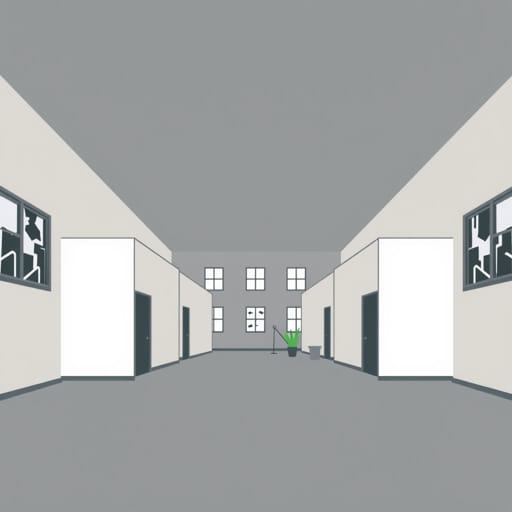
In recent years, the rise of remote work and shifting urban dynamics have led to a growing number of abandoned office buildings in cities around the world. These unused spaces, once filled with workers, now sit empty and neglected. One of the most significant yet often overlooked issues that arise in these deserted environments is the unchecked growth of mold. Mold infestation not only causes structural damage but also poses serious health risks. Efforts to eradicate mold in abandoned offices have become essential to reclaiming urban spaces and making them safe for future use.
The Mold Problem in Abandoned Office Buildings
Why Mold Grows Rapidly in Vacant Buildings
Mold is a type of fungus that thrives in damp, humid, and poorly ventilated environments. When offices are abandoned, maintenance systems such as HVAC (heating, ventilation, and air conditioning) are typically shut down or malfunction over time. This lack of air circulation, coupled with leaky roofs or broken plumbing, creates the perfect breeding ground for mold spores to spread across walls, ceilings, carpets, and furniture.
Common Types of Mold Found Indoors
- Aspergillus: Often found on dust and building materials, it can cause allergic reactions and respiratory problems.
- Cladosporium: Grows on wood and textiles; known to trigger asthma symptoms.
- Stachybotrys chartarum (Black Mold): Dangerous and toxic, this mold thrives on water-damaged materials like drywall and insulation.
Health and Structural Consequences
Exposure to mold spores can lead to various health issues, especially for individuals with allergies, asthma, or weakened immune systems. Symptoms include coughing, wheezing, sinus congestion, skin irritation, and more severe reactions in prolonged cases. Structurally, mold can rot wood, damage plaster, and render office spaces unsafe, making rehabilitation more difficult and costly.
Steps to Eradicate Mold in Abandoned Offices
Initial Assessment and Inspection
The first step in mold remediation is conducting a detailed inspection. Mold experts use specialized tools such as moisture meters, infrared cameras, and air sampling devices to detect hidden colonies. Identifying the extent of the infestation is crucial to determining the appropriate removal strategy.
Containment Measures
Before removal begins, the affected areas are sealed off to prevent mold spores from spreading to other parts of the building. This involves:
- Using plastic sheeting to isolate contaminated rooms
- Setting up negative air pressure environments with HEPA filters
- Wearing protective gear such as respirators and disposable suits
Removing Mold-Infested Materials
In many cases, porous materials like ceiling tiles, carpets, drywall, and insulation must be completely removed and discarded. Non-porous surfaces can be cleaned with mold-killing solutions, including commercial fungicides or natural alternatives like vinegar and baking soda.
Drying and Dehumidification
After physical mold removal, the next step is to eliminate moisture. Dehumidifiers, fans, and ventilation are used to dry the space thoroughly. This step is vital because even small traces of moisture can lead to mold regrowth. Regular moisture level monitoring is recommended during this phase.
Repairs and Restoration
Once the environment is dry and clean, restoration begins. This may include:
- Replacing walls and flooring
- Fixing leaks in pipes, roofing, or windows
- Reinstalling HVAC systems and ensuring proper air circulation
- Applying mold-resistant paint and materials
Preventing Future Mold Growth
Routine Maintenance and Inspections
To ensure mold does not return, it’s essential to conduct regular inspections of all critical areas especially bathrooms, kitchens, HVAC systems, and basements. Any leaks or damp spots should be addressed immediately.
Improving Ventilation
Proper airflow reduces humidity and condensation. Offices should have well-maintained ventilation systems and use dehumidifiers in high-moisture areas. Modern ventilation systems with humidity controls are a wise investment in mold prevention.
Using Mold-Resistant Materials
During the renovation of abandoned offices, it’s smart to use materials designed to resist mold. These include:
- Mold-resistant drywall
- Anti-microbial insulation
- Moisture-sealed flooring
- Non-cellulose ceiling tiles
The Role of Professional Mold Remediation Services
Why Professionals Are Necessary
While minor mold issues can be handled by property owners, larger infestations in abandoned buildings require professional mold remediation services. Experts are trained to deal with hazardous materials, follow safety protocols, and use industrial-grade equipment to ensure complete eradication.
Compliance with Health and Safety Regulations
Professional mold removal companies are familiar with local health and building codes. They ensure that all remediation efforts comply with regulations, especially when preparing abandoned offices for new tenants or future use.
Post-Remediation Testing
After the cleanup process, professionals conduct post-remediation verification tests to confirm that mold spore levels are within acceptable ranges. This provides peace of mind and protects property owners from future liability or legal issues.
Transforming Abandoned Spaces into Productive Offices
From Ruins to Renewal
Successfully eradicating mold can pave the way for transforming abandoned offices into usable, modern workspaces. Many cities are seeing revitalization projects that turn vacant buildings into coworking hubs, studios, or tech centers. Proper mold remediation is a foundational step in these redevelopments.
Environmental and Economic Benefits
Reviving abandoned office buildings instead of demolishing them contributes to environmental sustainability. It reduces construction waste and promotes the reuse of materials. Economically, these revitalized buildings can boost local real estate markets and attract new businesses.
A Clean Slate for Urban Renewal
Abandoned offices do not have to remain symbols of decline. By addressing the mold issue with proper inspection, removal, and prevention techniques, these buildings can be transformed into healthy and productive environments. Mold eradication is not just a maintenance task it is a key part of urban revitalization. With increasing awareness and access to professional services, cities can turn decay into opportunity, one clean, restored office at a time.