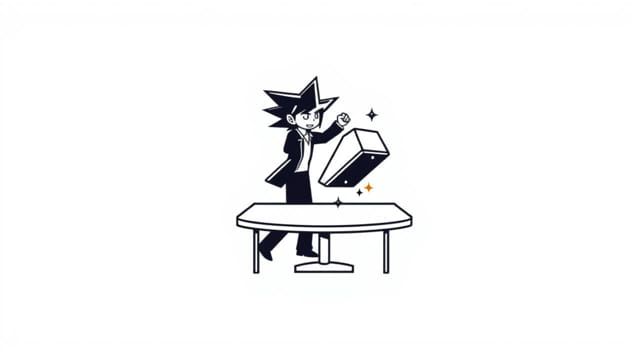
In the world of Yu-Gi-Oh!, where strategy, mind games, and dramatic moments rule the dueling arena, there’s an unusual yet intriguing phrase that often pops up in heated discussions flipping the table. While not an official game mechanic, this expression captures a powerful emotional reaction some players experience during frustrating duels. Whether due to unfair hands, overwhelming combos, or sudden defeats, the idea of flipping the table is symbolic of breaking the rules, expressing rage, or making a bold, rebellious statement. But beyond its emotional charge, what does this idea mean for Yu-Gi-Oh! culture, and how has it become a part of dueling conversations?
The Meaning Behind Flipping the Table in Yu-Gi-Oh!
Not a Card Effect A Player’s Outburst
To clarify, flipping the table is not a card in the official trading card game. It is a slang term used to describe a player’s metaphorical (or sometimes literal) reaction to an intense or hopeless game state. Typically, it refers to a moment when someone is so overwhelmed, frustrated, or caught off guard that they feel like upending the whole game setup in protest. Though rare in actual duels, the concept has become part of the humorous and emotional side of Yu-Gi-Oh! culture.
When Emotions Run High
Yu-Gi-Oh! is a competitive game that involves deep strategy, deck building, and mental stamina. Some players invest hours crafting their decks, studying meta trends, and practicing combos. When a duel goes horribly wrong due to bricking, being locked down by floodgates, or being defeated in one turn emotions can boil over. Flipping the table is a hyperbolic way to express that moment of internal chaos.
What Causes Players to Flip the Table
1. One-Turn Kills (OTK) and FTKs
Few things feel more unfair than losing before you get to make a move. First-turn kills (FTKs) or powerful OTKs can leave players feeling powerless. While these plays may be legal, they remove the back-and-forth interaction that makes dueling fun. This lack of response time can provoke frustration, especially in casual settings.
2. Infinite Loops and Stalling Tactics
Decks that rely on never-ending combos or stalling techniques can drain a player’s patience. Whether it’s a burn deck that delays the game turn after turn or an infinite loop that makes the game unplayable, players sometimes wish they could just end it all with a dramatic flip of the table.
3. Unbreakable Boards
Modern Yu-Gi-Oh! often involves summoning powerful monsters with built-in negations and protections. Facing an opponent with five or more interruptions on their first turn can feel like being walled out of the game. When you draw into a hand that offers no counter, frustration builds fast.
4. Bad Luck and Bricking
No matter how well you build your deck, sometimes the heart of the cards fails you. Drawing five spells when you needed monsters, or pulling a perfect combo hand that gets completely shut down by one hand trap, can push some players toward that flipping the table mindset.
The Role of Humor and Memes
Flipping the Table as a Meme
Online communities often use the flipping the table meme to express relatable dueling frustrations. It’s not meant to be taken literally most duelists would never ruin a match or damage cards. Instead, it captures the emotional weight behind those moments and allows players to laugh at the absurdity of some games. It’s become part of the Yu-Gi-Oh! lexicon, just like terms such as ‘brick,’ ‘topdeck,’ or ‘meta slave.’
Example Situations Shared by the Community
- Lost to a single copy of Mystic Mine. Flip the table.
- Built a $200 deck and got OTK’d by Ojamas. Flip the table.
- Opponent comboed for 15 minutes and left me with nothing. Flip the table.
These examples aren’t just funny they show how players process disappointment or absurdity through exaggeration and sarcasm.
Channeling Frustration into Growth
Learning from Losses
Instead of actually flipping the table or quitting in frustration, experienced players know how to turn these moments into learning opportunities. Analyzing misplays, reworking deck consistency, or studying the opponent’s combo path can turn future duels in your favor. Frustration is natural, but what matters is how you respond to it.
Improving Emotional Control
Yu-Gi-Oh! is a test of not only intelligence but temperament. Tournaments especially require players to keep calm, even when things don’t go their way. Controlling your emotional response is part of becoming a better duelist. What might make a beginner want to flip the table could motivate a seasoned player to adapt and overcome.
Flip Effects: An Ironic Twist
Flipping Cards vs. Flipping the Table
Interestingly, Yu-Gi-Oh! has an entire mechanic built around flipping cards: Flip Monsters. These cards activate powerful effects when flipped face-up, often surprising the opponent. Classic examples include Man-Eater Bug, Magician of Faith, and Penguin Soldier. While this is a strategic flip, it’s the kind of game mechanic that rewards patience quite the opposite of emotionally flipping the table!
Strategic Patience vs. Instant Rage
The contrast between flipping monsters for tactical advantage and flipping the table out of anger highlights the difference between control and chaos. Good players learn to embrace the first and resist the second. Yu-Gi-Oh! is about planning, reacting, and predicting not letting emotions cloud your judgment.
Keeping the Fun Alive in Yu-Gi-Oh!
Playing with Friends vs. Competitive Events
While local tournaments or casual matches with friends may invite playful banter and lighthearted drama, more serious events demand respect and focus. Knowing when it’s okay to joke about flipping the table and when to maintain composure is part of good sportsmanship. At the end of the day, it’s all about fun, growth, and community.
Respecting the Game and Opponents
Card games like Yu-Gi-Oh! thrive because of the passion and respect players have for the game and each other. Even if a duel goes sideways, flipping the table (literally or figuratively) should never be the solution. Instead, embrace the ups and downs as part of the journey to becoming a skilled duelist.
While the phrase flipping the table may sound like an act of rage, in Yu-Gi-Oh! it has become a symbol of the emotional highs and lows that come with the territory of intense dueling. Every player has experienced those moments of helplessness or disbelief, but the real strength lies in how they bounce back. By understanding this cultural expression and learning how to channel those feelings into improvement, duelists can grow not just as players, but as part of a passionate, ever-evolving community. Whether you brick, lose to a rogue strategy, or fall victim to an FTK, remember: keep your cool, trust in your deck, and never actually flip the table.