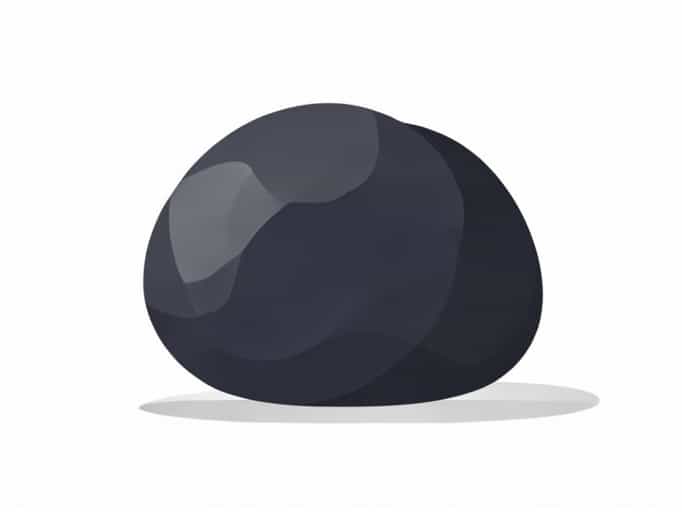
The word lumpish is an intriguing term in modern English, carrying both descriptive and figurative connotations. Historically derived from the word lump, meaning a compact mass, lumpish has evolved to describe objects, people, or behaviors that appear heavy, awkward, or sluggish. In contemporary usage, the word retains a sense of heaviness or clumsiness, often applied to both physical and metaphorical contexts. Understanding how lumpish functions in modern English, its nuances, and its applications in literature, conversation, and descriptive writing provides insight into the flexibility and enduring nature of English vocabulary.
Definition and Modern Usage
In modern English, lumpish primarily refers to something that is heavy, slow, or awkward in movement or appearance. The term often conveys a combination of physical weight and lack of grace, suggesting slowness, clumsiness, or inertia. Beyond physical descriptions, lumpish can also be used metaphorically to describe behavior, attitude, or even mental states, implying sluggishness, dullness, or a lack of alertness.
Physical Description
When describing physical objects or people, lumpish emphasizes awkward bulk or heaviness. For example, a large, awkwardly shaped piece of furniture might be described as lumpish, highlighting its cumbersome presence. Similarly, a person moving clumsily or with a heavy gait can be referred to as lumpish, evoking a sense of slowness or lack of agility.
Figurative and Behavioral Uses
Figuratively, lumpish can describe mental or emotional states. A person who is slow to respond, dull in conversation, or lethargic in attitude may be characterized as lumpish. In this sense, the word extends beyond the physical realm to encompass behavioral traits, emphasizing a sense of inertia or heaviness in personality or demeanor.
Examples in Literature
Lumpish has been employed in literature for centuries, often to create vivid imagery or to characterize individuals. Authors use the word to evoke a sense of bulk, awkwardness, or sluggishness, allowing readers to visualize a scene or a character effectively.
Classical and Modern Texts
In classical texts, lumpish often appears in descriptions of characters who are physically imposing yet clumsy, emphasizing both presence and inelegance. In modern literature, the term is used more flexibly, sometimes applied to emotional states or social interactions. Writers may describe a character’s lumpish movements to convey physical awkwardness or use the term metaphorically to highlight sluggish thinking or emotional heaviness.
Poetic Applications
Poets occasionally employ lumpish to create rhythm and imagery, portraying objects or humans in ways that evoke weight, inertia, or awkwardness. The word’s phonetic quality, with its soft consonants and muted syllables, reinforces the impression of heaviness, making it a useful tool in both narrative and poetic contexts.
Synonyms and Related Terms
Understanding synonyms of lumpish can help clarify its meaning and provide alternatives for varied writing. Common synonyms include
- Clumsy
- Awkward
- Hefty
- Sluggish
- Bulky
- Unwieldy
While these words share similarities with lumpish, each carries subtle distinctions. For example, clumsy emphasizes lack of coordination, while hefty focuses on weight. Choosing the appropriate synonym depends on whether the emphasis is on physical bulk, awkwardness, or metaphorical heaviness.
Pronunciation and Spelling
Lumpish is pronounced as /ˈlʌmp.ɪʃ/, with the stress on the first syllable. The word’s spelling reflects its origin from lump, combined with the suffix -ish, which often conveys a quality or characteristic. This construction allows the word to describe both tangible and intangible qualities, making it versatile in modern English usage.
Use in Everyday Conversation
In contemporary conversation, lumpish is not an overly common word, but it remains effective for specific descriptions. People might use it humorously or affectionately to describe a pet, a person, or an object that moves or behaves in a heavy or awkward manner. Its slightly old-fashioned tone can also lend charm or wit to speech, distinguishing it from more straightforward synonyms like clumsy or slow.
Examples in Conversation
- The cat was lumpish as it tried to climb the stairs after a nap.
- He felt lumpish after sitting at the desk all day without a break.
- The new sofa is beautiful, but it’s a bit lumpish to move around the room.
Modern Context in Writing and Media
In writing, journalism, and media, lumpish is occasionally used to convey precise imagery. Writers might employ it in descriptive passages to emphasize awkwardness, sluggishness, or bulkiness. In reviews, commentary, or storytelling, the word can enhance readability by providing an expressive alternative to more common terms.
Social Media and Informal Writing
On social media, lumpish may appear in creative posts, tweets, or blogs to describe pets, gadgets, or personal feelings in a humorous or illustrative way. Its rarity in daily speech makes it stand out, adding personality to posts while conveying a clear image of heaviness, awkwardness, or lethargy.
Why Lumpish Matters in Modern English
Although not as common as simpler adjectives, lumpish remains relevant for its descriptive precision and expressive potential. It captures nuances of heaviness, awkwardness, and sluggishness that other words may miss. For writers, speakers, and language enthusiasts, incorporating lumpish into vocabulary enhances the ability to describe both physical and metaphorical states vividly.
Advantages of Using Lumpish
- Evokes clear visual imagery of bulk or awkward movement.
- Can describe both physical and behavioral traits.
- Offers a slightly whimsical or literary tone.
- Enhances writing by providing specificity and nuance.
Lumpish is a versatile and expressive word in modern English, capable of describing physical bulk, awkwardness, and metaphorical heaviness. Its historical roots, combined with contemporary applications in literature, conversation, and media, make it a valuable addition to one’s vocabulary. Whether describing a sluggish person, a clumsy object, or a lethargic mood, lumpish conveys a precise sense of weight, awkwardness, and inertia. Understanding its meaning, usage, and synonyms allows speakers and writers to enrich their language, communicate with clarity, and add subtle nuance to descriptions in both everyday conversation and creative writing.