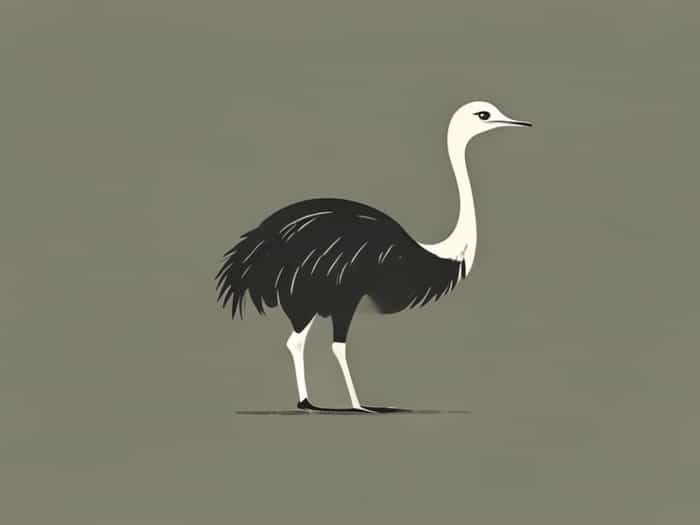
The emu is one of Australia’s most fascinating native birds, standing tall as the second-largest bird species in the world after the ostrich. Known for its curious nature, strong legs, and remarkable adaptability, the emu thrives in a wide range of environments across the Australian continent. Understanding the lifespan of an emu is an interesting topic for wildlife enthusiasts, farmers, and anyone interested in the life cycle of large flightless birds. The longevity of emus depends on several factors, including their living conditions, diet, predators, and human care in captivity.
Understanding the Average Lifespan of an Emu
On average, an emu in the wild lives between 10 and 20 years. However, when kept in captivity under proper care, an emu can live significantly longer up to 35 years or more. This difference mainly arises from environmental challenges in the wild, such as predation, harsh weather, and food scarcity, compared to the safety and nutrition provided in managed settings. The lifespan of an emu can therefore serve as a reflection of how well its needs are met, whether in natural ecosystems or human-managed farms.
Factors Affecting the Lifespan of an Emu
1. Diet and Nutrition
Nutrition plays a key role in determining the overall health and longevity of an emu. In the wild, emus eat a variety of foods including seeds, fruits, grasses, and small insects. This diverse diet provides them with essential nutrients. In captivity, emu farmers often provide a balanced feed that includes grains, vitamins, and minerals designed specifically for ratites. A well-balanced diet supports growth, reproduction, and immune function, all of which can extend the emu’s lifespan significantly.
2. Environment and Living Conditions
The environment an emu lives in greatly influences its life expectancy. Emus are well adapted to the Australian climate, but they still require access to shade, clean water, and enough space to roam. In captivity, emus that are kept in overcrowded or stressful environments may experience shorter lifespans due to poor mental and physical health. In contrast, those living in open pastures with adequate shelter and freedom tend to live much longer.
3. Predators and Threats
In the wild, emus face several natural predators, especially during their early life stages. Dingoes, eagles, and large reptiles often prey on emu chicks. Adult emus, being large and fast, are less vulnerable but can still fall victim to human hunting and habitat loss. These threats contribute to a lower average lifespan in wild populations compared to captive ones where such risks are minimized.
4. Medical Care and Disease Prevention
Like many other large birds, emus are susceptible to certain diseases and parasites. In captivity, regular veterinary check-ups and vaccinations can help prevent these issues. Farmers and wildlife caretakers often monitor for symptoms of common illnesses such as enteritis, respiratory infections, or parasitic infestations. Early detection and treatment play an important role in prolonging the lifespan of emus in human care.
Emu Life Stages and Development
Understanding the lifespan of an emu also involves looking at its distinct life stages, from egg to adulthood. Emu eggs are large and dark green, with each egg weighing around 500 to 700 grams. The incubation period lasts approximately 50 to 55 days, and during this time, the male emu takes responsibility for incubating the eggs and caring for the chicks once they hatch.
Chick Stage
Emu chicks are striped with brown and cream-colored patterns that help them camouflage in their environment. During the first few months of life, chicks rely heavily on their parents for warmth and protection. This is also the period when mortality rates are highest due to predators and environmental factors.
Juvenile Stage
As emus grow, they begin to develop their characteristic long legs and strong muscles, which enable them to run at speeds up to 50 kilometers per hour. They reach juvenile status at around 6 to 12 months of age and start to exhibit more independence. Proper nutrition and habitat quality during this stage have a significant impact on their overall lifespan.
Adult Stage
Emus reach sexual maturity at about two years old. Adult emus are highly resilient and can adapt to a wide variety of ecosystems, from arid deserts to coastal areas. If they are not threatened by predators or disease, adult emus can live a long and healthy life, especially in environments that mimic their natural habitat.
Emus in Captivity vs. the Wild
One of the most notable differences in emu lifespan is between those that live in captivity and those that roam freely in the wild. Wild emus face constant challenges, such as finding enough food during droughts and avoiding predators. On the other hand, emus kept on farms or in sanctuaries have consistent food supplies, medical care, and protection. This has led to a noticeable increase in lifespan for captive emus, making them ideal for sustainable farming and conservation programs.
Captive Emu Care
- Providing a balanced and species-appropriate diet
- Ensuring spacious enclosures for exercise and exploration
- Maintaining clean water sources for drinking and bathing
- Scheduling regular health check-ups and vaccinations
- Reducing stress by minimizing human interference
These practices not only enhance the lifespan of emus but also improve their overall quality of life. Many farms that raise emus for their oil, meat, and leather have adopted ethical practices to ensure that their birds live long, healthy, and stress-free lives.
Interesting Facts About the Lifespan of Emus
Emus are surprisingly long-lived birds considering the challenges of their natural environment. They are known for their endurance, capable of traveling vast distances in search of food and water. Additionally, their immune system is quite strong compared to other large bird species, contributing to their resilience. Some emus in wildlife sanctuaries have been documented living beyond 35 years, particularly those that are well cared for and free from predators.
The lifespan of an emu is a reflection of its remarkable adaptability and resilience as a species. While wild emus typically live between 10 and 20 years, those in captivity can live up to 35 years or more with proper care and nutrition. Factors such as environment, diet, medical attention, and protection from predators all play crucial roles in determining how long an emu lives. Whether studied in their natural habitat or raised on farms, emus continue to fascinate people with their endurance, intelligence, and unique place in the world of flightless birds.