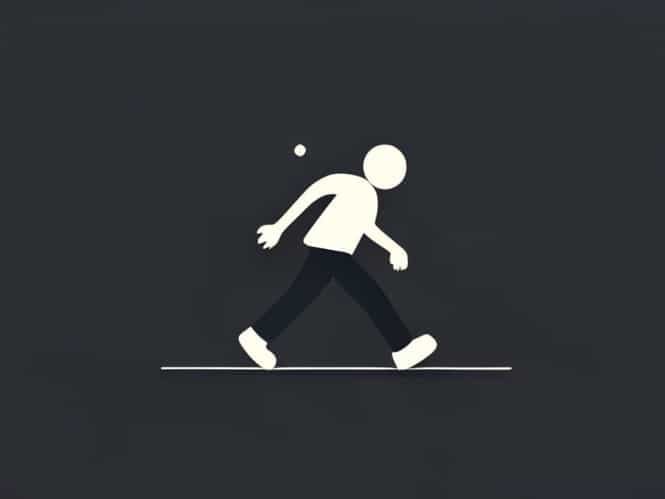
Everyone has experienced that awkward moment when they suddenly lose balance and stumble on the street, at home, or in public. Saying I tripped while walking might sound simple, but it can represent many different situations from a minor embarrassment to an important reminder about awareness and safety. Tripping is one of those small, everyday accidents that can teach us lessons about mindfulness, surroundings, and even humility. Whether it happens because of uneven ground, distractions, or fatigue, a simple trip can have interesting causes and effects worth exploring in detail.
Understanding Why People Trip While Walking
Tripping is a common part of human movement, especially since walking is something we do almost automatically. When someone says I tripped while walking, it often means that one foot didn’t clear the ground properly or caught on an obstacle. The body loses balance, and gravity does the rest. But understanding the science behind this small accident can help explain why it happens so often.
Our ability to walk smoothly depends on balance, coordination, and sensory feedback. The brain constantly processes information from the eyes, ears, and muscles to adjust every step. If even one of these signals is delayed or disturbed like when we are distracted by a phone or tired after a long day the timing of the foot’s movement may be off, leading to a stumble.
Common Causes of Tripping
Many factors can cause a person to trip while walking. Here are some of the most common ones
- Uneven surfacesCracked sidewalks, curbs, or loose carpeting can easily cause someone to trip.
- DistractionsUsing a phone, talking with friends, or looking elsewhere reduces focus on where the feet are going.
- FatigueTired legs and slowed reflexes make it harder to lift the foot high enough with each step.
- Poor footwearShoes that don’t fit properly or have slippery soles can cause imbalance.
- Medical conditionsProblems like poor vision, joint stiffness, or neurological disorders can also make tripping more likely.
The Immediate Reaction After Tripping
When someone trips, there’s usually an instant reaction a fast movement to try to regain balance before falling. The body naturally activates reflexes to stabilize itself, sometimes resulting in exaggerated movements or even a small dance-like recovery. Often, the first emotion after tripping is embarrassment, especially if it happens in public. People tend to look around quickly to see if anyone noticed, even before checking if they’re injured.
However, embarrassment should never come before safety. It’s important to pause for a moment after tripping, check for pain, and make sure there are no scrapes, twisted ankles, or bruises that might need attention. Even a small fall can cause micro-injuries that worsen later if ignored.
Lessons Learned from Tripping
While tripping is usually harmless, it can serve as a powerful reminder of how easily things can go wrong when we take our surroundings for granted. Saying I tripped while walking can mean more than a physical misstep it can also represent moments when we lose focus in life and need to regain awareness.
These incidents encourage people to slow down, pay attention to the ground, and move more mindfully. They also remind us that balance isn’t just physical; it can be emotional and mental too. Losing balance momentarily can inspire a person to be more grounded in other areas of life.
How to Prevent Tripping in Daily Life
Although it’s impossible to completely avoid tripping, certain habits can greatly reduce the chances of it happening. Here are a few tips for safer walking
- Stay awareKeep your eyes forward and scan the path ahead rather than staring at a phone screen.
- Wear proper shoesChoose comfortable shoes with good grip and support for your walking environment.
- Improve postureGood posture helps maintain balance and coordination while walking.
- Light up dark areasPoor lighting can hide obstacles that cause tripping, especially indoors.
- Exercise balanceSimple exercises like yoga, tai chi, or balance training strengthen muscles and improve reflexes.
When a Trip Leads to a Fall
Sometimes, tripping doesn’t stop at a stumble it results in an actual fall. This can be especially dangerous for older adults, as falls are a leading cause of injury among the elderly. A simple I tripped while walking story can turn into a serious situation if bones are fragile or if the surface is hard.
In such cases, knowing basic fall prevention and first aid can make a difference. If a person falls, they should try not to get up immediately. It’s better to check for pain, dizziness, or broken bones first. If needed, they should call for help or wait for assistance. For prevention, strength and balance exercises, as well as handrails in high-risk areas, can be life-saving.
The Psychological Side of Tripping
Though tripping might seem minor, it can have psychological effects, especially if it happens often or causes injury. People may start feeling anxious about walking in certain areas or develop self-consciousness about their coordination. The phrase I tripped while walking may even carry a sense of frustration or fear of repeating the incident.
In such cases, confidence can be rebuilt through gradual exposure, practice, and relaxation techniques. Building a calm, focused mindset helps restore natural walking rhythm and reduces fear. Accepting that accidents happen to everyone is also part of staying emotionally resilient.
How to Respond When Someone Else Trips
Witnessing someone trip can be awkward, but kindness is key. Instead of laughing or ignoring it, offering a helping hand can make a huge difference. Checking if the person is okay, offering to help them stand, or even saying a few friendly words can ease their embarrassment. Small gestures of empathy remind us that everyone is vulnerable sometimes.
Symbolism Behind Tripping
Beyond the physical act, I tripped while walking can also symbolize moments of imperfection in life. Just as people stumble physically, they can stumble emotionally or professionally. These moments don’t define failure they show humanity. Getting up after tripping, both literally and metaphorically, shows resilience and the ability to move forward despite small setbacks.
Writers and speakers often use tripping as a metaphor for mistakes or challenges that teach valuable lessons. Each time someone trips, they’re reminded of their limits and their capacity to recover. It’s a small but universal experience that connects people through shared vulnerability.
Tripping While Walking
Tripping while walking may seem like an insignificant event, but it reveals much about balance, awareness, and the human experience. From understanding the physical reasons behind a stumble to exploring the emotional responses it triggers, every trip tells a story. It’s a moment that blends humor, humility, and learning into one simple motion.
Next time you catch yourself saying, I tripped while walking, take it as a reminder not just to watch your step, but to stay present in the moment. After all, life, much like walking, is full of unexpected bumps and uneven paths. The important thing isn’t that we trip it’s that we keep walking afterward, stronger and more mindful than before.