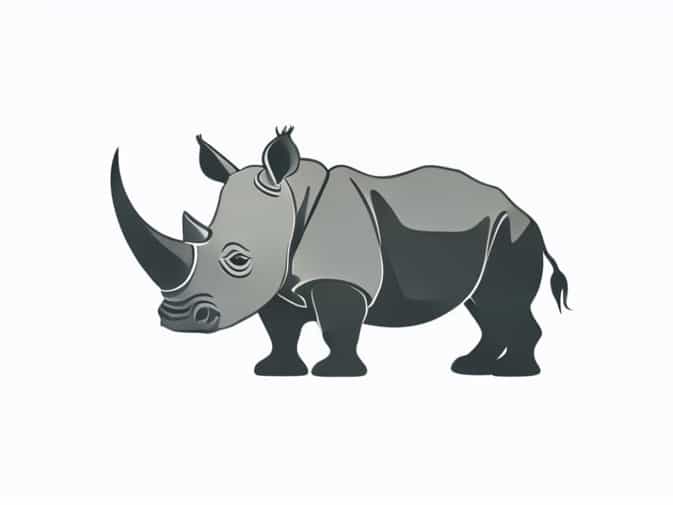
Rhinos are some of the most iconic and majestic creatures on Earth, known for their massive bodies, thick skin, and formidable horns. These remarkable animals have fascinated humans for centuries, not only for their physical characteristics but also for their behavior and ecological importance. Understanding the lifespan of a rhino is essential for conservation efforts, wildlife management, and ensuring the survival of these endangered species. The lifespan of a rhino can vary depending on species, habitat, diet, and human impact, making it an important area of study for biologists and environmentalists alike.
Types of Rhinos and Their Lifespans
There are five main species of rhinos the White Rhino, Black Rhino, Indian Rhino, Javan Rhino, and Sumatran Rhino. Each species has unique characteristics, and their lifespans can differ based on genetic and environmental factors.
White Rhino
The White Rhino, also known as the square-lipped rhinoceros, is one of the largest land mammals. White Rhinos are typically found in grasslands and savannas of Africa. They have a lifespan ranging from 40 to 50 years in the wild, and some individuals in captivity have been known to live slightly longer due to controlled diets, veterinary care, and protection from predators and poaching.
Black Rhino
The Black Rhino, or hook-lipped rhinoceros, is smaller than the White Rhino but equally impressive. Native to various regions of Africa, Black Rhinos are critically endangered due to poaching and habitat loss. In the wild, their lifespan generally ranges from 35 to 50 years, while those in well-maintained sanctuaries or zoos can live into their early 50s.
Indian Rhino
Also known as the Greater One-Horned Rhino, the Indian Rhino is primarily found in the grasslands and forests of India and Nepal. Indian Rhinos typically live between 35 and 45 years, although individuals in captivity can sometimes exceed 50 years. Conservation efforts, such as protected reserves and anti-poaching measures, have contributed to increasing the average lifespan of this species in managed environments.
Javan Rhino
The Javan Rhino is one of the rarest mammals in the world, with only a few dozen individuals remaining in Ujung Kulon National Park in Indonesia. Due to limited population size and intensive conservation efforts, data on their lifespan is less abundant. However, they are believed to live around 30 to 45 years in the wild, similar to other rhino species. Captive lifespans are not well documented due to the challenges of maintaining this species outside its natural habitat.
Sumatran Rhino
The Sumatran Rhino is the smallest of all rhino species and is critically endangered, with fewer than 80 individuals estimated to survive. Native to the dense forests of Sumatra and Borneo, their lifespan typically ranges from 30 to 45 years. Captive individuals have sometimes lived slightly longer, benefiting from regular health care and protection from natural threats.
Factors Affecting Rhino Lifespan
Several factors influence how long a rhino lives, including environmental conditions, human activity, diet, and genetics. Understanding these factors is crucial for effective conservation and management strategies.
Habitat and Environment
The availability of suitable habitat is a major determinant of rhino longevity. Rhinos require large territories with sufficient food, water, and shelter. Habitat degradation, deforestation, and human encroachment reduce available space and resources, negatively impacting lifespan. Rhinos in protected reserves generally live longer due to safer environments and access to consistent resources.
Poaching and Human Threats
Poaching for rhino horns is one of the most significant threats to rhino populations. Even healthy adult rhinos can have their lives cut short by poachers. Anti-poaching initiatives, including ranger patrols, surveillance, and community engagement, are vital to protect these animals and allow them to reach their natural lifespans.
Diet and Nutrition
Nutrition plays a critical role in rhino health and longevity. Wild rhinos feed on a variety of grasses, leaves, and shrubs, depending on species and habitat. In captivity, zookeepers provide a balanced diet that supports optimal health, which can extend lifespan by preventing malnutrition and disease. Proper hydration and access to minerals are also essential for maintaining strong bones and horns.
Healthcare and Veterinary Care
Rhinos in captivity benefit from regular veterinary care, including vaccinations, parasite control, and treatment of injuries or illnesses. This care reduces mortality from preventable diseases and injuries, often allowing captive rhinos to live longer than their wild counterparts. Veterinary interventions are also crucial in breeding programs, which help sustain endangered species like the Javan and Sumatran rhinos.
Conservation Implications
Understanding the lifespan of rhinos is critical for conservation planning. Long-lived species require long-term management strategies, including habitat protection, anti-poaching measures, and population monitoring. Conservationists use lifespan data to model population growth, reproductive cycles, and the potential impact of environmental changes. Protecting rhinos ensures they can reach their natural lifespan and contribute to the ecological balance of their habitats.
- Protected areas allow rhinos to live longer by reducing human threats.
- Anti-poaching laws and enforcement help prevent premature deaths.
- Captive breeding programs support population recovery and longevity.
- Public awareness campaigns encourage support for rhino conservation.
The lifespan of a rhino varies across species, typically ranging from 30 to 50 years depending on factors such as habitat, human impact, diet, and health care. Protecting rhinos in the wild and providing quality care in captivity are essential to help these magnificent creatures live out their natural lives. Conservation efforts, including anti-poaching initiatives, habitat restoration, and breeding programs, play a crucial role in ensuring that rhinos not only survive but thrive for generations to come. By understanding and supporting the factors that influence rhino longevity, humans can contribute to the preservation of these iconic species and the ecosystems they inhabit.