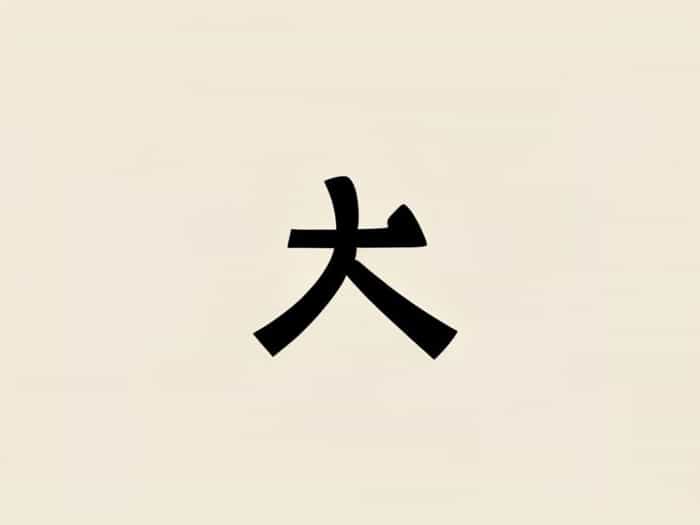
The Japanese language is rich with nuance and subtlety, making it fascinating for learners and linguists alike. One concept that often arises in both everyday conversation and academic study is the idea of imitation or copying. In Japanese, there are several words and expressions that convey the meaning of imitate, each with slightly different connotations depending on context, intention, and tone. Understanding these words not only helps with language learning but also provides insight into Japanese culture, communication styles, and social dynamics, where imitation can signify learning, admiration, or even social harmony.
Common Japanese Words for Imitate
In Japanese, the concept of imitation is expressed through multiple words, and the choice depends on the situation, the level of formality, and whether the imitation is physical, behavioral, or artistic. Some of the most frequently used words include
çä¼¼ (ã¾ã, Mane)
Mane is the most commonly used word for imitate in Japanese. It can refer to copying someone’s actions, behavior, or speech. This word is versatile and can be used in casual or formal contexts, depending on phrasing. For example, children often mane adults as a way of learning, which is a natural and positive aspect of development in Japanese culture.
- Example å½¼ã®è©±ã æ¹ãçä¼¼ãã (Kare no hanashikata o mane suru) I imitate his way of speaking.
- Connotation Can be playful, educational, or even admiring, depending on tone.
æ¨¡å£ (ãã»ã, Mohou)
Mohou is a more formal word for imitation, often used in academic, artistic, or technical contexts. It conveys copying or reproducing something with precision, and it is frequently seen in literature, art, and scientific discussion.
- Example æåç»å®¶ã®ææ³ã模å£ãã (YÅ«mei gaka no gihÅ o mohlou suru) To imitate the techniques of a famous painter.
- Connotation Neutral or technical, emphasizing accuracy or replication.
ã³ãã¼ãã (KopÄ« suru)
The term kopÄ« suru is borrowed from English and literally means to copy. It is widely used in modern Japanese for both physical copying, such as documents or digital files, and for mimicking someone’s work. The usage is casual and contemporary.
- Example ãã®ã¢ã¤ãã¢ãã³ãã¼ãã (Sono aidea o kopÄ« suru) To copy that idea.
- Connotation Neutral, often related to modern, practical applications rather than personal behavior.
Cultural Context of Imitation in Japan
Imitation in Japanese culture often has a positive connotation. Learning by copying is a common and respected practice in education, arts, and traditional crafts. From mastering calligraphy to practicing martial arts, imitation is seen as a stepping stone to mastery. Japanese culture emphasizes respect for predecessors and mentors, and imitating their techniques or behavior is a form of acknowledgment and admiration rather than criticism.
Learning Through Imitation
In schools, students often imitate teachers or older students to learn proper behavior, speech, and manners. In traditional arts such as tea ceremony, ikebana (flower arranging), or painting, apprentices begin by closely imitating their teachers before developing their own style. This method, known as shuhari, illustrates the stages of learning first following rules (shu), then breaking them (ha), and finally creating innovation (ri).
Imitation in Popular Culture
Imitation also appears in Japanese pop culture, including television, manga, and comedy. Many entertainers mimic famous personalities or characters as a form of entertainment. This type of imitation is often playful and is widely accepted by audiences. The ability to imitate well is sometimes seen as a skill, requiring observation, practice, and attention to detail.
Subtle Differences Between Terms
Understanding the subtle differences between mane, mohou, and kopī suru is important for using them appropriately in conversation or writing.
- ManeInformal, personal, often used in daily life or social situations. Can indicate admiration or playfulness.
- MohouFormal, technical, or academic. Used in art, literature, science, or precise replication.
- Kopī suruModern and casual, often borrowed from English. Practical usage in copying documents, ideas, or digital content.
Imitation as a Learning Strategy
Imitation is not only a linguistic concept but also a learning strategy in Japan. From childhood through adulthood, copying is a method for acquiring skills. In music schools, students may imitate the playing style of masters. In martial arts, students imitate movements until they can internalize and adapt them. This method shows that imitation is not mere duplication but a way of understanding underlying principles and refining personal abilities.
Ethical Considerations
While imitation is generally positive, there is an important ethical boundary. In academic or creative work, plagiarism is discouraged, and copying without proper acknowledgment is considered disrespectful. Japanese language reflects this distinction through context and word choice. For instance, mohou in art is neutral and often positive, while kopī suru in ideas without permission can carry negative connotations.
Imitation in Everyday Life
In everyday Japanese life, imitation appears in simple, relatable ways. Children may mimic the gestures and speech of adults, colleagues may copy a senior’s work style, and friends may imitate each other’s expressions or jokes. These small acts of imitation foster social connection, understanding, and harmony. By observing and mimicking, individuals integrate into social groups and show respect for shared norms and behaviors.
The Japanese words for imitate mane, mohou, and kopÄ« suru offer insight into how language reflects culture, learning, and social behavior. Imitation in Japan is not merely copying; it is a tool for learning, a sign of respect, and a path to mastery. From childhood education to traditional arts, pop culture, and professional work, the act of imitation plays a vital role. Understanding the nuances of these words helps learners appreciate the depth of Japanese culture, the importance of observation and respect, and the sophisticated ways in which people communicate admiration and skill development. By exploring the Japanese language’s approach to imitation, one can gain a deeper appreciation for how cultural values shape communication and learning.