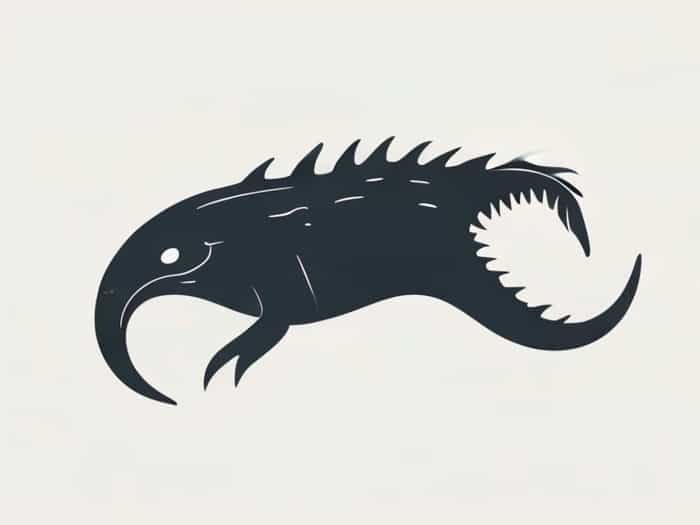
The name Leviathan has captivated people for centuries, appearing in ancient texts, religious writings, and modern culture. Many wonder whether Leviathan is an animal, a mythological beast, or a symbolic creature meant to represent something much larger. Because the term appears in various contexts, its meaning can shift depending on the source. Exploring the origins, interpretations, and cultural impact of Leviathan helps clarify whether it should be viewed as an animal or something more mysterious. Understanding the creature’s descriptions across history also reveals why it continues to influence stories and imagination today.
Understanding the Origins of Leviathan
The earliest references to Leviathan come from ancient Near Eastern literature, where powerful sea creatures symbolized chaos, danger, and natural forces beyond human control. In these early writings, Leviathan is portrayed not simply as an animal but as a cosmic being associated with the untamed sea. Over time, this image merged with folklore, theology, and cultural beliefs, transforming the creature into a legendary figure that existed somewhere between reality and myth.
Leviathan in Religious Texts
One of the most well-known appearances of Leviathan comes from religious scriptures. In these texts, the creature is described as enormous, terrifying, and nearly invincible. Its features resemble those of great sea animals, yet exaggerated to mythical proportions. Sharp teeth, impenetrable scales, and immense strength paint a picture of a creature far beyond any ordinary animal. These characteristics lead many to see Leviathan as symbolic a representation of might, danger, or divine power rather than a literal species.
Symbolism Versus Literal Interpretation
Whether Leviathan is considered an animal often depends on interpretation. Some readers view the descriptions as poetic language meant to illustrate nature’s power, while others interpret the creature as a real, though extraordinary, animal. Because the texts use vivid imagery, it can be difficult to determine what is symbolic and what might be inspired by real marine life. This tension between metaphor and reality contributes to the ongoing debate about the creature’s identity.
Is Leviathan Based on a Real Animal?
Despite supernatural descriptions, many scholars suggest that Leviathan may have been inspired by real sea animals. Large marine creatures such as whales, crocodiles, or giant fish could have served as the foundation for exaggerated stories. Ancient people often interpreted rare or massive animals as mythical beings, especially when they encountered creatures washed ashore or seen only briefly at sea.
Possible Animal Inspirations
- WhalesTheir enormous size and power could have contributed to legends of gigantic sea monsters.
- CrocodilesThe descriptions of armor-like scales and ferocious jaws resemble crocodilian features.
- Giant FishDeep-sea species unknown to early civilizations might have sparked imaginative interpretations.
- Sea SerpentsReports from sailors about serpentine movements in the water could have shaped Leviathan’s legendary form.
While none of these animals perfectly match every description, they provide possible sources for the myths. The blending of real observations with storytelling often creates creatures that feel both familiar and fantastical.
Leviathan in Mythology and Folklore
Beyond religious writings, Leviathan appears in various mythologies as a monster of the deep. In these traditions, the creature symbolizes chaos, storms, and the unpredictable nature of the ocean. Ancient cultures frequently personified natural forces as living beings, giving rise to the idea of mighty sea monsters that controlled the waters. Leviathan fits perfectly into this tradition as a symbol of the ocean’s untamed power.
The Creature’s Role in Ancient Stories
Leviathan often appears as an adversary to gods or heroes in myth. Battles with enormous sea creatures serve as metaphors for the struggle between order and chaos. When a god defeats the sea monster, it represents control over nature or the victory of harmony over disorder. These themes appear in many cultures, showing how influential the Leviathan-type creature was across different regions.
Modern Interpretations of Leviathan
Today, Leviathan continues to appear in literature, movies, games, and art. Modern audiences often view the creature through a fantasy lens, imagining it as a massive serpent, dragon, or prehistoric-like beast. While newer portrayals tend to emphasize its monstrous qualities, they still echo the ancient themes of power, mystery, and fear associated with the deep ocean.
Leviathan in Popular Culture
Writers and creators use Leviathan to symbolize grand-scale danger or an unstoppable force. Its name carries weight, suggesting a creature beyond normal comprehension. Whether shown as a dragon rising from the waves or a colossal sea serpent lurking below, Leviathan maintains its reputation as a creature of immense strength.
Scientific Perspective in Modern Discussions
From a scientific standpoint, Leviathan is not classified as an animal. There is no biological evidence of a creature matching its descriptions. Instead, scientists attribute such stories to a blend of natural observation and cultural storytelling. However, the idea of the creature still sparks curiosity about deep-sea life, a realm where many species remain undiscovered. This connection keeps the question alive could ancient myths partially reflect encounters with unfamiliar marine animals?
Why Leviathan Continues to Fascinate
Leviathan’s lasting appeal comes from its combination of mystery, symbolism, and connection to natural forces. Humans have always been intrigued by the ocean’s depths, a place filled with unknown challenges and hidden creatures. Leviathan embodies this fascination, representing both fear and respect for the sea. Its ambiguous nature part myth, part possible animal allows people to interpret the creature in many ways.
Emotional and Cultural Impact
Stories of Leviathan touch on universal themes survival, power, chaos, and the struggle against overwhelming odds. These themes resonate across cultures, making the creature a lasting symbol. Whether viewed as a monster, a metaphor, or a misunderstood animal, Leviathan continues to inspire imagination and exploration.
So, Is Leviathan an Animal?
In the simplest terms, Leviathan is not an animal in the scientific sense. It does not belong to a known species, nor does it exist in biological records. However, the creature may have roots in real animals whose characteristics were amplified through storytelling. Leviathan is best understood as a mythological figure shaped by culture, symbolism, and humanity’s awe of the ocean.
The question Is Leviathan an animal? reveals something deeper than taxonomy. It touches on how humans interpret nature, tell stories, and create meaning from the world around them. Leviathan is more than a creature it is a bridge between reality and imagination, reminding us of the mysteries that continue to live in our collective consciousness.