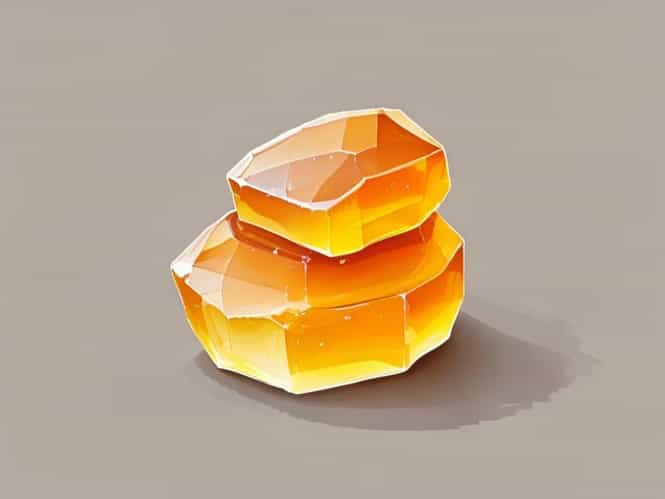
Honey is one of nature’s sweetest and most versatile gifts, known for its rich flavor, natural healing properties, and long shelf life. However, many people notice that over time, their honey begins to thicken or form crystals. This process, known as honey crystallization, is completely natural and even desirable for certain culinary uses. Learning how to crystallize honey properly allows you to enjoy its smooth, spreadable texture and preserve it for longer. Understanding why honey crystallizes and how to control the process can help you make the most of this golden delight.
What Is Honey Crystallization?
Honey crystallization is the process by which liquid honey turns into a semi-solid or solid state due to the formation of sugar crystals. Natural honey contains two main types of sugars fructose and glucose. While fructose remains in liquid form, glucose tends to separate and form tiny crystals over time. The ratio of these sugars determines how quickly the honey will crystallize. Honeys with higher glucose content, such as clover or alfalfa honey, crystallize faster than those with higher fructose levels, such as acacia or tupelo honey.
Why Crystallization Happens
The crystallization of honey occurs because honey is a supersaturated solution. This means it contains more sugar than can normally dissolve in water. Over time, the glucose molecules begin to separate from the water and form crystals, giving honey a grainy or creamy texture. Temperature and storage conditions also play a significant role in how fast honey crystallizes. Cooler temperatures, typically between 10°C and 15°C (50°F and 59°F), encourage crystal formation.
How to Crystallize Honey Naturally
If you want to crystallize honey on purpose, you can do it in a controlled and natural way. The process doesn’t require special equipment just patience and the right environment. Crystallized honey, often called creamed honey or spun honey, has a smooth, spreadable texture that many people prefer over liquid honey. Here’s how you can make your own at home.
Step 1 Choose Your Honey
Start with raw, unpasteurized honey. This type of honey contains natural pollen, enzymes, and microscopic ptopics that act as nucleation points, encouraging crystals to form. Filtered or pasteurized honey will take much longer to crystallize because these elements have been removed. You can use any floral variety, but keep in mind that some types of honey crystallize more quickly than others.
Step 2 Prepare a Starter or Seed Honey
To control the texture and consistency of your crystallized honey, use a bit of already crystallized honey as a starter. This seed honey helps guide the formation of small, uniform crystals, resulting in a creamy rather than gritty texture. Ideally, the seed honey should have fine crystals for the best results.
- Use one part seed honey for every ten parts liquid honey.
- Mix thoroughly until the seed honey is evenly distributed throughout.
Step 3 Store at the Right Temperature
Temperature plays a major role in how quickly and smoothly honey crystallizes. The ideal temperature range for controlled crystallization is around 14°C (57°F). Too warm, and the process slows down or stops. Too cold, and the crystals may become large and coarse. Keep the honey in a stable, cool environment away from direct sunlight.
Step 4 Allow Time for Crystals to Form
Crystallization is not an overnight process. Depending on the honey variety and conditions, it can take anywhere from a few days to a few weeks for the honey to reach the desired consistency. During this time, avoid shaking or stirring the jar excessively, as it can interfere with crystal formation. Once the honey thickens to your liking, store it in a tightly sealed container to maintain its texture.
Alternative Method Controlled Mechanical Crystallization
For those who want faster or more consistent results, mechanical methods can be used. In this approach, honey is stirred continuously at low speed while it cools, promoting even crystal growth. This is the technique often used by commercial producers to create smooth, creamy honey products.
The process involves mixing honey with seed crystals while maintaining the temperature between 12°C and 15°C (54°F and 59°F). This constant movement helps prevent large crystal formation and ensures a fine, velvety texture. After about a week, the honey becomes perfectly crystallized and ready to package.
Factors That Influence Honey Crystallization
While the basic process is simple, several factors influence how honey crystallizes. Understanding these can help you achieve your desired result whether you prefer fine, smooth crystals or larger, chunkier ones.
- Type of honeyHoneys with higher glucose content, like rapeseed or sunflower honey, crystallize faster.
- TemperatureModerate cool temperatures promote crystallization; too much heat can prevent it.
- StorageAirtight containers prevent moisture absorption, which can affect texture.
- ImpuritiesPollen and wax ptopics help start the crystallization process naturally.
- AgitationStirring can either help or hinder crystallization, depending on timing and intensity.
How to Control the Texture of Crystallized Honey
Controlling the crystal size is key to achieving your preferred honey texture. Fine crystals create a creamy, spreadable honey, while larger crystals give a more coarse and crunchy feel. If you want smoother honey, use finely crystallized seed honey and maintain a stable temperature throughout the process. For chunkier honey, allow it to crystallize naturally at a slightly cooler temperature without stirring.
Some people also experiment with blending crystallized and liquid honey for a unique texture. Mixing the two can give you a partially crystallized honey that’s both spreadable and slightly runny, offering the best of both worlds.
How to Prevent Honey from Crystallizing
While many people enjoy crystallized honey, others prefer it to remain liquid. If you want to prevent crystallization, there are simple ways to do so
- Store honey at room temperature, ideally between 20°C and 25°C (68°F and 77°F).
- Keep honey in a tightly sealed glass container to protect it from moisture.
- Avoid refrigerating honey, as cold temperatures accelerate crystallization.
- Choose honey varieties with higher fructose content, such as acacia or sage honey.
If your honey has already crystallized and you want to return it to liquid form, simply warm it gently in a water bath. Do not boil or microwave it, as high heat can destroy beneficial enzymes and alter the flavor.
Uses for Crystallized Honey
Crystallized honey is not only safe to eat but also incredibly versatile. Many people actually prefer its texture for spreading on toast, biscuits, or pastries. It’s also great for adding sweetness to tea without making it too runny. Some bakers use crystallized honey in recipes for a subtle crunch or as a natural sweetener in granola and desserts.
Because the flavor of crystallized honey remains rich and concentrated, it can also be used in homemade beauty products such as face masks or scrubs. Its thick consistency makes it easy to apply and mix with other natural ingredients like oats or yogurt.
Myths About Honey Crystallization
Many people mistakenly believe that crystallized honey has spoiled or gone bad, but this is far from the truth. Crystallization is a natural process and a sign that the honey is pure and unprocessed. Processed honey, which has been heated or filtered, often resists crystallization because its natural structure has been altered. Thus, when your honey starts to crystallize, it’s actually a mark of authenticity.
Crystallizing honey is both a natural and fascinating process that reflects the purity and complexity of this ancient food. Whether you want to encourage crystallization to make smooth, creamy honey or prevent it to keep your honey liquid, understanding the science behind it gives you full control. By choosing the right honey, maintaining ideal temperatures, and using proper storage methods, you can achieve the texture and flavor you prefer. So the next time you see your honey turning cloudy or thick, remember it’s not a flaw but a transformation into another delicious form of nature’s sweetest treasure.