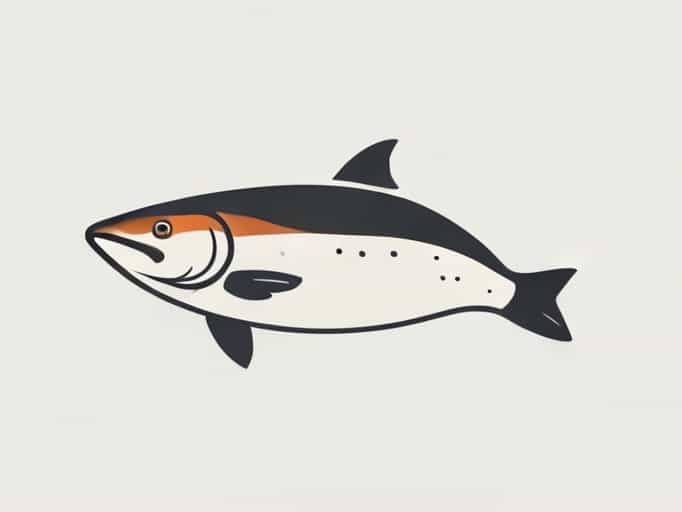
When people hear the term coho salmon, they often imagine majestic silver fish leaping up rivers in the Pacific Northwest. Coho salmon, scientifically known as Oncorhynchus kisutch, are one of the most well-known salmon species in North America. But a common question that often arises is are coho salmon wild? The answer is both yes and no, depending on where they come from and how they were raised. Understanding whether coho salmon are wild requires a closer look at their natural life cycle, habitat, and the difference between wild-caught and hatchery-raised fish.
Understanding Coho Salmon
Coho salmon are a species of anadromous fish, meaning they spend part of their lives in freshwater and part in the ocean. They are native to the North Pacific Ocean and are found along the coasts of North America, from Alaska down to central California, and also across the Pacific in parts of Asia, including Japan and Russia. In their natural environment, coho salmon begin life in freshwater streams before migrating to the ocean, where they grow and mature. After spending one to three years in the ocean, they return to their natal streams to spawn and complete their life cycle.
Wild Coho Salmon vs. Hatchery Coho Salmon
Not all coho salmon you see today are truly wild. Many populations have been supported by hatcheries for decades. To understand the distinction, it’s important to define what makes a salmon wild.
- Wild Coho SalmonThese fish are born in natural rivers or streams, migrate to the ocean without human intervention, and return to spawn in the same waters where they were hatched. Their entire life cycle occurs in the wild.
- Hatchery Coho SalmonThese fish are bred and raised in controlled hatchery environments. After being released, they live part of their lives in the ocean like wild salmon but often return to hatcheries to spawn or be collected for reproduction programs.
So, while both types may swim freely in the ocean, the key difference lies in their origin. Wild coho salmon come entirely from natural processes, whereas hatchery salmon begin life under human supervision.
Where Wild Coho Salmon Are Found
Wild coho salmon primarily inhabit rivers and streams along the Pacific coast. Their distribution covers a wide range of ecosystems, including
- Alaskan rivers such as the Kenai and Copper Rivers.
- British Columbia’s coastal streams and inlets.
- Oregon and Washington rivers, including the Columbia River basin.
- California’s northern rivers like the Klamath and Smith Rivers.
These habitats provide the cold, clean, and oxygen-rich waters that salmon need for spawning and survival. Unfortunately, due to habitat loss, overfishing, and climate change, wild populations have declined in some areas, leading to an increased reliance on hatchery programs.
How to Tell If Coho Salmon Is Wild or Farmed
For consumers, determining whether the coho salmon they are eating is wild or hatchery-raised can sometimes be challenging. However, there are a few indicators that can help
- LabelingIn markets and restaurants, wild salmon is usually labeled as wild-caught, while hatchery or farmed salmon may be labeled as farmed or aquaculture.
- Color and TextureWild coho salmon tend to have a deeper red-orange flesh and firmer texture because of their natural diet, which includes krill and other small marine organisms. Farmed or hatchery-raised salmon often appear lighter in color and have softer meat.
- PriceWild salmon is typically more expensive due to its limited availability and higher demand among consumers seeking natural-caught seafood.
The Life Cycle of Wild Coho Salmon
To understand what makes wild coho salmon unique, it helps to look at their fascinating life cycle. Each stage of their development is adapted to survive in both freshwater and marine environments.
1. Spawning
Adult coho salmon return from the ocean to freshwater streams to spawn. Females dig nests, called redds, in gravel beds where they lay thousands of eggs. After fertilization by males, the adults die, completing their life cycle and providing nutrients to the surrounding ecosystem.
2. Egg and Fry Stage
The eggs hatch into alevins, which remain in the gravel while feeding on the yolk sac. Once the yolk is absorbed, they emerge as fry and begin to feed on insects and small aquatic organisms in the stream.
3. Smoltification
After several months to a year, coho fry undergo smoltification, a process that prepares them for saltwater life. They adapt physiologically to survive in ocean water and begin their migration downstream toward the sea.
4. Ocean Phase
In the ocean, coho salmon spend one to three years feeding on fish, squid, and crustaceans. They grow rapidly and can reach up to 12 pounds or more before returning to their natal streams to spawn.
5. Return Migration
The journey back to freshwater is one of the most iconic aspects of salmon behavior. Using their strong sense of smell and Earth’s magnetic fields, coho salmon navigate thousands of miles to return to the exact river where they were born. This incredible feat of instinct and endurance is what defines their wild nature.
The Role of Hatcheries in Coho Salmon Populations
As wild populations declined due to environmental pressures, hatcheries were established to help restore salmon numbers. Hatcheries collect eggs and milt from adult fish, fertilize them, and raise the young in tanks before releasing them into rivers. While this has helped maintain salmon populations, it has also sparked debate among conservationists.
Some argue that hatchery fish can interbreed with wild populations, potentially weakening genetic diversity. Others believe hatcheries are essential for supporting fisheries and ensuring that salmon remain a vital part of both the ecosystem and local economies. In reality, both wild and hatchery fish play important roles in the overall salmon population structure.
Environmental Challenges Facing Wild Coho Salmon
Despite conservation efforts, wild coho salmon face numerous threats that continue to impact their survival. These include
- Habitat destructionLogging, urbanization, and dam construction reduce spawning and rearing areas.
- PollutionChemicals and sediment runoff can degrade water quality and harm young salmon.
- Climate changeRising water temperatures and shifting ocean currents affect food availability and migration patterns.
- OverfishingExcessive harvests in the past have reduced the number of returning adults.
These challenges highlight the importance of protecting rivers and coastal ecosystems to ensure that wild coho salmon can continue to thrive naturally.
Conservation Efforts for Wild Coho Salmon
Various organizations, government agencies, and local communities are working together to restore and protect wild coho populations. Restoration projects often focus on improving stream habitats, removing barriers to migration, and monitoring salmon runs. Sustainable fishing practices are also being promoted to reduce pressure on vulnerable populations.
One promising strategy involves reconnecting side channels and restoring wetlands that provide nursery areas for young salmon. Such efforts not only benefit coho but also improve the health of entire ecosystems that depend on clean, free-flowing rivers.
Why Wild Coho Salmon Matter
Wild coho salmon are more than just a source of food they are an integral part of the natural world. They play a crucial role in the food chain, feeding bears, eagles, and other wildlife. When they die after spawning, their bodies return vital nutrients to forest and river ecosystems, supporting plant and animal life alike.
Additionally, wild salmon have cultural and economic importance for Indigenous communities and coastal regions. For centuries, these fish have been central to traditional diets, spiritual beliefs, and local economies.
So, are coho salmon wild? The answer depends on their origin. Many coho salmon are still born and raised in the wild, completing their natural migration from river to ocean and back again. However, a significant number now come from hatcheries designed to support declining populations. Both types of coho salmon share the same species name and similar life patterns, but only those that live their entire lives without human intervention can truly be called wild. Preserving wild coho salmon is essential for maintaining biodiversity, ecological balance, and cultural heritage. Through careful management and habitat conservation, it is possible to ensure that wild coho salmon continue to thrive for generations to come.