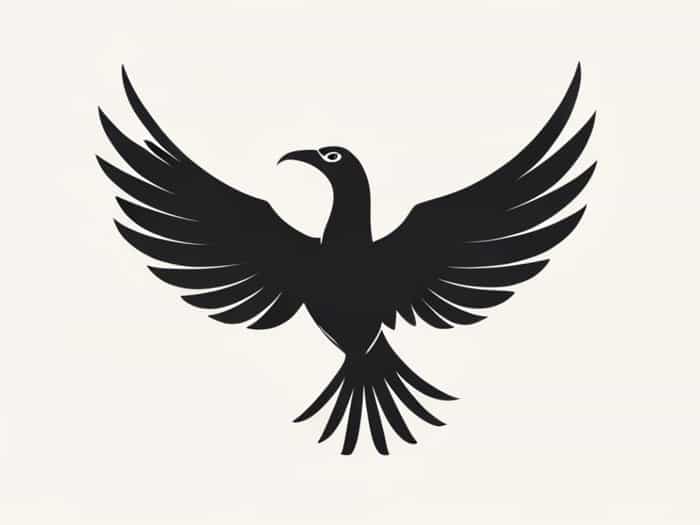
The Simorgh, often referred to as the Bird of Sovereignty, occupies a profound and mystical place in Persian mythology and literature. Known for its immense size, wisdom, and divine qualities, the Simorgh is not merely a mythical bird but a symbol of kingship, spiritual enlightenment, and the interconnectedness of all life. For centuries, poets, storytellers, and philosophers have woven tales around this majestic creature, highlighting its role as a guardian, guide, and emblem of ultimate authority. Understanding the Simorgh requires exploring its origins, symbolism, and the cultural impact it has had across generations.
Origins and Mythological Background
The Simorgh’s story is deeply rooted in Persian mythology, particularly in ancient texts and epic poetry. Its earliest mentions appear in Zoroastrian literature, where it is depicted as a creature of great power and virtue. Unlike ordinary birds, the Simorgh is often portrayed as enormous enough to carry elephants or whales in its talons, signifying its unmatched strength and dominance over nature. The bird is typically associated with Mount Qaf, a mythical mountain said to encircle the world, serving as the home of divine beings and spiritual treasures.
Historical References
- Zoroastrian texts, highlighting its role as a benevolent and wise entity
- Ferdowsi’s Shahnameh, where the Simorgh aids heroes and rulers
- Attar of Nishapur’s The Conference of the Birds, presenting the Simorgh as the ultimate spiritual guide
- Medieval Persian manuscripts illustrating the bird’s divine and protective qualities
Across these sources, the Simorgh consistently embodies sovereignty, wisdom, and transcendence, bridging the material and spiritual worlds.
Symbolism of the Simorgh Bird
The Simorgh carries multiple layers of symbolism, often representing the ultimate authority, moral guidance, and spiritual enlightenment. It is a metaphor for the ideal ruler one who is wise, just, and connected to divine principles. In addition, the Simorgh often symbolizes the union of the earthly and celestial realms, acting as a conduit through which divine wisdom is shared with humanity.
Key Symbolic Meanings
- SovereigntyThe bird represents supreme authority, often guiding kings and heroes in making just decisions.
- WisdomIt embodies ancient knowledge, offering guidance and insight to those who seek it.
- UnityThe Simorgh symbolizes the interconnectedness of all beings and the harmony between heaven and earth.
- PurityOften portrayed as a benevolent creature, it encourages moral and spiritual development.
- ProtectionLegends describe the Simorgh as a guardian, shielding the worthy from danger and guiding them on righteous paths.
The Simorgh in Persian Literature
Persian literature has immortalized the Simorgh, using it as a central figure in allegories, epics, and moral stories. Its presence in these works reinforces the bird’s role as a guide and teacher, providing insight into the nature of leadership, the pursuit of knowledge, and the journey of the soul.
Shahnameh The Epic of Kings
In Ferdowsi’s Shahnameh, the Simorgh plays a critical role in the lives of Persian heroes. One of the most famous stories involves the hero Zal, who is abandoned as a child due to his unusual appearance. The Simorgh discovers him, raises him, and eventually returns him to human society, providing guidance and magical feathers that Zal can use in times of danger. Here, the bird embodies both nurturing care and strategic wisdom, exemplifying qualities that are ideal in rulers and leaders.
The Conference of the Birds
In Attar of Nishapur’s mystical poem, The Conference of the Birds, the Simorgh represents the ultimate spiritual destination for the collective journey of the birds. After a long and arduous quest, the birds realize that the Simorgh they sought is a reflection of themselves, illustrating the unity of creation and the revelation that divine sovereignty exists within each being. This narrative positions the Simorgh as a symbol of enlightenment and self-realization, beyond mere physical power.
Modern Interpretations
Today, the Simorgh continues to inspire artists, writers, and philosophers. Its imagery appears in contemporary Persian art, literature, and even cinema, representing resilience, wisdom, and moral authority. The bird’s symbolism transcends cultural boundaries, reminding audiences worldwide of the value of knowledge, unity, and ethical leadership. In educational and spiritual contexts, the Simorgh often serves as a metaphor for pursuing excellence, self-discovery, and moral integrity.
Cultural Influence
- Artwork and illustrations depicting the bird as a majestic guardian of kings and heroes
- Poetry and literature exploring themes of self-realization and divine guidance
- Philosophical and educational discussions using the Simorgh as a symbol of ultimate wisdom
- Modern adaptations in film and media highlighting its allegorical and inspirational qualities
Lessons from the Simorgh
The stories of the Simorgh offer profound lessons for leadership, personal growth, and ethical conduct. Leaders are encouraged to emulate the bird’s wisdom, fairness, and protective qualities, guiding their people with insight and compassion. On a personal level, the Simorgh reminds individuals of the importance of seeking knowledge, understanding their place in the world, and striving for unity and harmony in their relationships and communities.
Practical Takeaways
- Seek wisdom from experience and mentorship, much like the guidance provided by the Simorgh
- Foster unity and cooperation in communities and organizations
- Embrace self-discovery and moral integrity as pathways to personal and professional growth
- Recognize the interconnectedness of all life and the responsibilities that come with authority
The Simorgh, or Bird of Sovereignty, remains one of the most enduring and captivating symbols in Persian mythology. Its stories combine elements of power, wisdom, and moral authority, offering lessons that are as relevant today as they were centuries ago. Through literature, art, and cultural tradition, the Simorgh continues to inspire individuals to pursue knowledge, ethical leadership, and personal enlightenment. As both a guardian and a guide, this legendary bird exemplifies the ideal balance between strength and wisdom, reminding us that true sovereignty extends beyond dominion it encompasses care, insight, and unity with the world around us.
By studying the Simorgh, we gain insight not only into Persian culture but also into timeless concepts of leadership, morality, and spiritual growth. The Bird of Sovereignty teaches that wisdom and compassion are integral to true authority, and that the journey toward enlightenment and ethical conduct is both personal and collective. In essence, the Simorgh symbolizes the highest aspirations of humanity knowledge, justice, and harmony, guiding generations toward a more enlightened and connected existence.