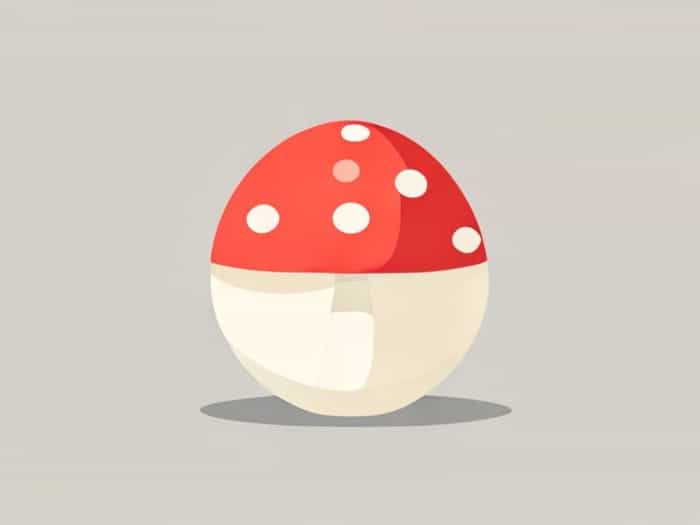
The puffball mushroom is one of the most fascinating and mysterious fungi that often captures the attention of nature enthusiasts and foragers. With its round shape and white, puffy appearance, this mushroom looks quite different from the classic cap-and-stem type most people imagine when they think of mushrooms. But the question many beginners ask is is the puffball mushroom edible? The answer is yes but with a few very important cautions. Knowing how to properly identify puffball mushrooms is the key to enjoying them safely, as some toxic look-alikes exist in the wild.
Understanding What a Puffball Mushroom Is
Puffball mushrooms belong to a group of fungi in the family Lycoperdaceae. They are typically round or pear-shaped and lack the typical gills found in many other mushrooms. Instead of releasing spores through gills or pores, puffballs release a cloud of brown spores from an opening at the top when they mature hence the name puffball. These spores are harmless to touch but indicate that the mushroom is no longer edible.
Young puffball mushrooms, when they are still white and firm inside, are edible and have been enjoyed for centuries in various cuisines. However, identifying them correctly is essential, as some poisonous mushrooms look quite similar during certain growth stages.
How to Identify an Edible Puffball Mushroom
Proper identification is crucial when foraging puffball mushrooms. Mistaking them for toxic varieties can be dangerous. The good news is that edible puffballs have a few distinct characteristics that can help you tell them apart from harmful species.
1. Shape and Size
Puffballs are typically round, oval, or pear-shaped. Their size can range from as small as a marble to as large as a soccer ball. Giant puffballs (Calvatia gigantea) can even reach impressive sizes, sometimes over 12 inches in diameter.
2. Texture and Color
When young and fresh, puffballs have a smooth, white outer skin and a solid white interior. As they age, the inside begins to turn yellow, brown, or olive, signaling that the spores are forming. Once this happens, the mushroom should not be eaten.
3. Interior Appearance
One of the most reliable ways to confirm if a puffball is edible is to cut it in half vertically. An edible puffball should be pure white and uniform inside, with no signs of a developing cap, gills, or stem structure. If you notice any internal shape that looks like a baby mushroom forming, discard it immediately, as it could be an immature and potentially poisonous Amanita species.
4. Odor and Firmness
Fresh puffballs have a mild, earthy aroma and a firm, marshmallow-like texture. A sour smell or a soft, spongy interior are indicators that the mushroom is no longer good to eat.
Common Toxic Look-Alikes
Although puffballs are generally safe when correctly identified, several poisonous mushrooms resemble them in their early stages. The most notable are immature Amanita species, which are among the deadliest mushrooms on Earth.
- Amanita muscaria (Fly Agaric)When young, it can appear as a round white ball before the red cap emerges. Eating it can cause severe nausea, hallucinations, and in rare cases, death.
- Amanita phalloides (Death Cap)In its immature form, it also looks like a puffball but contains a developing mushroom structure inside. Even a small amount of this species can be lethal.
- Scleroderma (Earthballs)These are darker, tougher fungi that resemble puffballs but have a black or purple interior. They are not deadly but can cause gastrointestinal upset if eaten.
Because of these look-alikes, it is absolutely vital to slice open each puffball before cooking or eating it. Never eat any mushroom that you are not 100% certain is safe.
Preparing Puffball Mushrooms for Cooking
Once you’ve identified your puffball as edible, you can enjoy it in a variety of delicious ways. The texture of puffball mushrooms is soft and spongy, making them versatile for different dishes. However, they must be cooked before eating, as raw mushrooms can be difficult to digest.
Cleaning the Puffball
Gently brush off any dirt or debris with a soft cloth or mushroom brush. Avoid washing it under running water for too long, as puffballs can absorb moisture easily and become soggy. Trim away any discolored or yellowing parts before cooking.
Cooking Methods
There are many simple and tasty ways to prepare puffball mushrooms. Some of the most popular methods include
- FryingSlice the puffball into ½-inch thick pieces, dip them in egg and breadcrumbs, and fry until golden brown. The result is similar to a vegetarian schnitzel.
- GrillingBrush slices with olive oil and grill until lightly browned for a smoky flavor.
- SautéingCut the puffball into cubes and sauté with garlic, onions, and herbs for a savory side dish.
- Soups and stewsAdd diced puffballs to soups for a creamy texture and mild taste.
The flavor of puffball mushrooms is mild, sometimes compared to tofu or soft cheese. Because of this, they absorb the flavors of the ingredients they are cooked with, making them a great base for many recipes.
Nutritional Value and Health Benefits
Puffball mushrooms are not only tasty but also nutritious. They are low in calories, fat-free, and rich in essential nutrients. Here are some of the main health benefits of eating puffballs
- High in protein and fiber, which supports digestion and muscle health.
- Contains vitamins such as vitamin D, B-complex, and important minerals like potassium and iron.
- Has antioxidant properties that may help fight free radicals in the body.
- Low in carbohydrates, making it suitable for weight management and low-carb diets.
However, puffballs should always be eaten in moderation, especially for first-time consumers, as wild mushrooms can sometimes cause mild allergic reactions in sensitive individuals.
Safety Tips When Foraging Puffballs
Foraging for puffball mushrooms can be a fun and rewarding activity, but safety should always come first. Here are a few essential tips to remember
- Only collect puffballs that are firm, white inside, and free from discoloration.
- Always cut the mushroom open to confirm it’s solid white inside with no internal structures.
- Forage in clean areas away from roadsides or industrial zones to avoid contamination by pollutants.
- If in doubt about identification, consult a local mycologist or mushroom expert before consuming.
So, is the puffball mushroom edible? Yes, it is when identified and prepared correctly. These unique fungi offer a mild, pleasant flavor and can be a wonderful addition to your culinary adventures. However, proper identification is absolutely essential, as toxic look-alikes can pose serious health risks. By learning to recognize the distinctive characteristics of true puffballs and following safety guidelines, you can confidently enjoy one of nature’s most interesting and delicious wild mushrooms.
In the end, puffball mushrooms remind us of the beauty and complexity of the natural world. With a little care and knowledge, they can turn from a mysterious woodland find into a delightful meal on your plate.