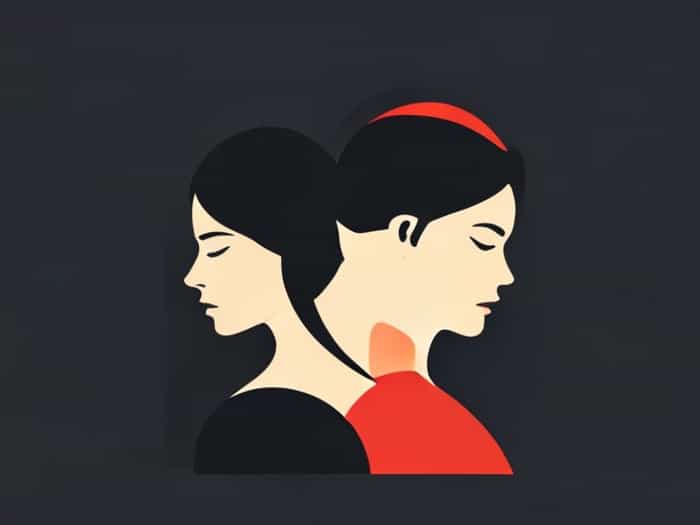
The phrase lamentations of their womenfolk echoes through history and literature as a haunting expression of grief, loss, and cultural identity. It captures not only the mourning of women during times of war or tragedy but also the broader emotional and social consequences of human conflict. Throughout history, women’s laments have served as both personal expressions of sorrow and collective testimonies to the suffering of their communities. This phrase carries layers of meaning that reach from ancient epics to modern interpretations, offering a glimpse into the endurance of emotion across time and cultures.
Historical Roots of Lamentation
Lamentation is one of the oldest human responses to pain and death. In early civilizations, mourning was often ritualized, and women were central figures in expressing grief publicly. In ancient Greece, for example, women were expected to lead funeral rites and cry out in mourning, a practice that gave birth to the term threnody, meaning a song of lament. Similarly, in Mesopotamia and Egypt, laments were composed not only for individuals but for entire cities destroyed by war or disaster.
The phrase lamentations of their womenfolk likely finds its earliest cultural echoes in epic literature and oral traditions. Ancient warriors often returned from battle boasting that their enemies were defeated, and the only sound left behind was the wailing of the fallen’s wives and mothers. These lamentations became symbols of both victory and tragedy a reminder that every triumph in war carries a human cost.
The Phrase in Literature and Legend
Many literary works, both ancient and modern, have drawn upon this imagery. In the Epic of Gilgamesh, lamentation follows the death of Enkidu, demonstrating how grief transcends even heroic ideals. In Homer’s Iliad, the women of Troy Andromache, Hecuba, and Helen each deliver powerful laments that portray the destruction of their city and their personal suffering. These moments humanize the otherwise brutal narrative of war, showing that behind every victory are voices of pain and remembrance.
In Norse and Celtic sagas, the lament of women is often associated with prophecy and fate. Women were seen as the keepers of emotional truth, capable of foreseeing loss before it arrived. The Irish keen a traditional wailing song performed at funerals preserved this tradition for centuries. Such customs turned grief into art, allowing societies to process trauma through ritualized expression.
The Cultural Symbolism of Women’s Lament
Across civilizations, the lamentations of women have symbolized endurance and memory. While men were often depicted as warriors and conquerors, women’s grief preserved the moral consciousness of society. Their sorrow reminded communities of what was lost not only lives, but values, homes, and hopes. This contrast between masculine conquest and feminine mourning reflects a universal human duality destruction and remembrance.
In many cultures, women’s laments were also forms of resistance. When their voices filled the air after a tragedy, they served as witnesses to injustice. Their cries were not only about personal loss but also collective suffering, defying attempts to silence or erase their pain. The lament thus became a political act a demand to be heard in a world that often ignored the cost of violence.
The Biblical and Religious Dimension
One of the most well-known examples of lamentation appears in the Book of Lamentations in the Hebrew Bible. Written after the fall of Jerusalem in 586 BCE, it describes the city’s desolation and the grief of its people. The poetic form captures both sorrow and hope, blending mourning with a plea for divine mercy. The lament becomes a dialogue between humanity and God, revealing that grief itself can be a form of faith.
In Christianity, lamentation takes on a redemptive tone. The Virgin Mary’s sorrow at the crucifixion of Jesus became a central image in art and theology. Her lament, often depicted in Pietà sculptures and hymns, reflects the intersection of human suffering and spiritual compassion. This religious heritage influenced countless works of music, poetry, and visual art throughout Europe and beyond.
Lamentation in Folk Traditions
Beyond religious texts, the lamentations of womenfolk appear in countless folk traditions around the world. In the Balkans, women historically performed mourning songs known as žalopojke, while in the Middle East, professional mourners often women were hired to lead funeral chants. These performances combined melody, poetry, and physical expression, turning grief into a shared, communal experience.
In Africa and the Caribbean, similar traditions emerged, blending lamentation with rhythm and storytelling. Women’s laments in these regions often incorporated metaphors of nature rivers, birds, or storms to describe the passage of the soul and the continuity of life. Even in sorrow, these songs carried resilience, ensuring that memory and emotion lived on through generations.
The Psychological and Emotional Power of Lament
From a psychological perspective, lamentation serves an essential role in healing. The act of expressing sorrow through voice, song, or movement allows individuals and communities to confront loss openly. In societies where emotional expression is sometimes restricted, women’s laments become a channel for truth, bridging the gap between private pain and public acknowledgment.
Studies of grief rituals show that communal mourning reduces isolation and fosters empathy. When women lament collectively, they affirm their shared humanity. The phrase lamentations of their womenfolk thus represents more than just sound it embodies emotional connection and cultural endurance.
Lamentation in Modern Culture and Media
Though traditional forms of lamentation have faded in many places, their spirit continues in modern storytelling, music, and film. War movies, historical dramas, and novels still use the image of grieving women to evoke the cost of conflict. Contemporary artists reinterpret lamentation through new media, turning ancient sorrow into modern commentary.
In songs and poetry, echoes of lament persist. Musicians and writers often draw upon the symbolism of women’s mourning to express themes of loss, injustice, or remembrance. Even in a digital age, where expression has shifted online, the essence of lamentation bearing witness to suffering remains deeply relevant.
From Tragedy to Strength
What makes the lamentations of womenfolk so powerful is their transformation of pain into strength. Through lament, sorrow becomes testimony; despair becomes resilience. Women’s mourning reminds humanity that every act of destruction leaves behind a legacy of love and endurance. In this way, lamentation is not only about what is lost but about what survives.
In literature and oral history, these laments preserve the emotional truths that official records often ignore. They tell us not only who died, but who remembered them. They remind us that even in the darkest moments, empathy and connection can rise from grief.
Key Themes Found in Women’s Lamentations
- Expression of collective grief and cultural identity.
- Resistance against oppression and violence.
- Spiritual dialogue between humanity and the divine.
- Preservation of memory and emotional heritage.
- Transformation of pain into resilience.
The Enduring Legacy of Lamentation
The reason the phrase lamentations of their womenfolk continues to resonate is because it speaks to universal human experience. Every culture, at some point, has faced loss and in that loss, voices have risen to mourn, remember, and hope. These lamentations form a bridge across time, connecting ancient rituals with modern expressions of empathy.
In a world still marked by conflict and displacement, lamentation reminds us of the human cost behind every headline. It calls attention to the emotional and moral dimensions of history, urging compassion and remembrance. The laments of women, in particular, carry a wisdom born of suffering and survival a wisdom that refuses to be silenced.
The lamentations of their womenfolk are not just cries of sorrow; they are echoes of endurance. From ancient battlefields to modern memorials, they tell the story of humanity’s pain and perseverance. They preserve memory where history forgets and offer healing where words fall short. Across centuries and continents, the voices of mourning women continue to resonate reminding us that grief, when shared and expressed, becomes a form of strength that transcends time itself.