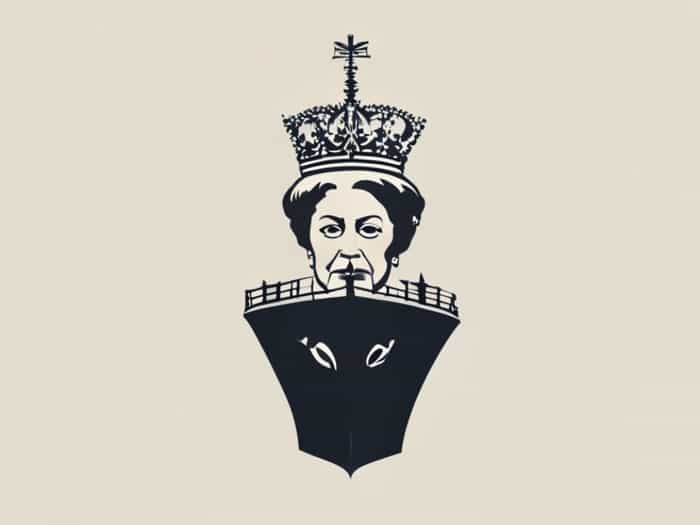
The Queen Elizabeth-class dreadnought battleships represented one of the most revolutionary leaps in naval engineering during the early 20th century. These powerful ships redefined what it meant to be a battleship, blending speed, armor, and firepower in ways that set new standards for naval warfare. Designed for the British Royal Navy, the Queen Elizabeth-class ships were not just symbols of military strength but also technological innovation and strategic foresight. Their impact stretched across both World War I and World War II, making them some of the most famous and influential dreadnoughts ever built.
Origins and Development of the Queen Elizabeth-Class
The Queen Elizabeth-class dreadnoughts were conceived as part of Britain’s ongoing naval arms race with Germany during the early 1900s. By this time, the concept of the dreadnought a battleship featuring an all-big-gun armament and turbine propulsion had already transformed naval power worldwide. The Royal Navy sought to stay ahead by creating a faster, more heavily armed, and better-protected ship that could dominate any opponent at sea.
The class was named after the lead ship, HMSQueen Elizabeth, which was laid down in 1912 and launched in 1913. The other ships in the class included HMSWarspite, HMSValiant, HMSBarham, and HMSMalaya. Each of these vessels incorporated advanced technologies that reflected Britain’s dominance in naval engineering.
Design Philosophy and Innovation
What made the Queen Elizabeth-class dreadnoughts revolutionary was their balance of speed, firepower, and protection. They were designed under the leadership of Admiral Sir John Fisher, a visionary who believed that speed could serve as a form of defense. The ships were therefore the first fast battleships, capable of traveling at speeds previously reserved for smaller vessels like cruisers.
Technical Specifications
- DisplacementApproximately 33,000 tons (full load)
- LengthAround 643 feet (196 meters)
- ArmamentEight 15-inch (381 mm) guns in four twin turrets
- Secondary ArmamentFourteen 6-inch (152 mm) guns and anti-aircraft weapons
- Speed24 knots (44 km/h), powered by oil-fired turbines
- ArmorBelt armor up to 13 inches (330 mm) thick
The decision to use oil-fired boilers instead of coal was one of the most significant innovations. This not only increased speed and efficiency but also allowed the ships to have a longer operational range. The Queen Elizabeth-class dreadnoughts were the first capital ships to rely entirely on oil, marking a major turning point in naval engineering.
Armament and Firepower
The Queen Elizabeth-class battleships were armed with eight 15-inch guns then the largest naval guns in the world. These guns gave the ships immense firepower, capable of striking enemy vessels at ranges exceeding 20,000 yards. The 15-inch gun became the Royal Navy’s standard heavy weapon for decades, known for its reliability and devastating impact.
In addition to their primary weapons, the ships also carried a range of secondary and anti-aircraft guns. The 6-inch secondary guns provided defense against smaller ships such as destroyers and torpedo boats, while later modifications added anti-aircraft artillery to protect against aerial attacks.
Speed and Mobility
Speed was one of the defining features of the Queen Elizabeth-class. Earlier dreadnoughts were heavily armored but relatively slow, typically reaching around 21 knots. By contrast, these ships could travel at speeds up to 24 knots, giving them the ability to maneuver effectively in battle and operate alongside faster fleets.
This increase in speed came from the use of powerful oil-fired turbines. The shift from coal to oil not only saved weight and space but also eliminated the need for large coal stokers, improving efficiency and operational readiness. The Queen Elizabeth-class thus became the blueprint for future fast battleships.
Armor and Protection
Despite their increased speed, the Queen Elizabeth-class dreadnoughts did not sacrifice protection. They featured thick armor plating around vital areas, including the magazines and engine rooms. The main belt armor reached up to 13 inches thick, while deck armor and turret protection were also significantly reinforced.
The distribution of armor was carefully designed to protect against enemy shells and torpedoes. The ships’ internal compartmentalization helped limit flooding in the event of damage, increasing survivability in combat. This combination of speed and protection made the Queen Elizabeth-class some of the most formidable ships afloat.
Service During World War I
The Queen Elizabeth-class dreadnoughts saw extensive service during World War I, particularly in the Royal Navy’s Grand Fleet. HMSWarspitebecame one of the most famous battleships of the era, participating in the Battle of Jutland in 1916. Despite suffering heavy damage during the battle, she survived and went on to serve with distinction for decades.
HMSQueen Elizabeth, the lead ship, served as the flagship of Admiral Sir David Beatty and took part in operations in the Mediterranean, including the bombardment of Turkish positions at Gallipoli. The performance of the class in combat demonstrated their superior firepower and resilience, solidifying their reputation as elite warships.
Interwar Period and Modernization
After World War I, the Queen Elizabeth-class dreadnoughts underwent significant modernization to keep up with changing naval technology. These upgrades included improved fire control systems, new anti-aircraft guns, enhanced armor, and better propulsion systems.
During the 1930s, the ships were fitted with new bridge superstructures and updated radar systems. The modernization ensured that these older vessels remained relevant even as new generations of battleships emerged. This adaptability was a testament to the soundness of their original design.
Role in World War II
Remarkably, several Queen Elizabeth-class battleships remained in service during World War II, playing important roles in various theaters. HMSWarspiteagain stood out, participating in major battles such as Narvik, Crete, and Salerno. She provided naval gunfire support for Allied landings and survived multiple hits from bombs and shells.
HMSValiantand HMSQueen Elizabethalso served in the Mediterranean. In 1941, both ships were damaged in an Italian frogman attack in Alexandria harbor but were later repaired and returned to service. Their continued use underscored their durability and the lasting value of their design.
Impact on Naval Architecture
The Queen Elizabeth-class dreadnoughts influenced nearly every major navy in the world. Their combination of heavy firepower, high speed, and advanced engineering set new standards for battleship design. The concept of the fast battleship, first realized through this class, shaped naval construction well into the mid-20th century.
Future battleships, including the U.S. Navy’s North Carolina and South Dakota classes, drew inspiration from the balance achieved by the Queen Elizabeth-class. Even as aircraft carriers began to dominate naval warfare, the legacy of these ships remained evident in the continued emphasis on power, protection, and adaptability.
Famous Ships of the Class
- HMS Queen ElizabethThe lead ship and namesake of the class, serving as flagship in both world wars.
- HMS WarspiteOne of the most decorated warships in British history, earning numerous battle honors.
- HMS ValiantPlayed key roles in Mediterranean operations during World War II.
- HMS BarhamTragically sunk by a German submarine in 1941 after an illustrious career.
- HMS MalayaServed in both wars and later acted as a convoy escort during World War II.
Legacy of the Queen Elizabeth-Class Dreadnoughts
The legacy of the Queen Elizabeth-class dreadnoughts endures not only in naval history but also in modern ship design principles. They represented the pinnacle of British naval power during their time and demonstrated that technological innovation could redefine warfare. Their long service lives spanning over three decades proved their resilience and adaptability.
Even after the age of battleships passed, the lessons learned from the Queen Elizabeth-class continued to influence military strategy and engineering. They remain symbols of Britain’s industrial might, maritime tradition, and commitment to naval superiority.
The Queen Elizabeth-class dreadnoughts were more than just battleships they were icons of naval evolution. Their introduction marked the transition from traditional dreadnoughts to the modern fast battleship, combining speed, strength, and firepower in unprecedented ways. Serving valiantly across two world wars, these ships left a lasting mark on history and demonstrated the enduring ingenuity of British naval design.
From HMSQueen Elizabethto HMSWarspite, their stories capture the spirit of innovation and resilience that defined a century of maritime dominance. In the grand narrative of naval warfare, the Queen Elizabeth-class dreadnoughts stand as timeless testaments to human engineering and the pursuit of excellence at sea.