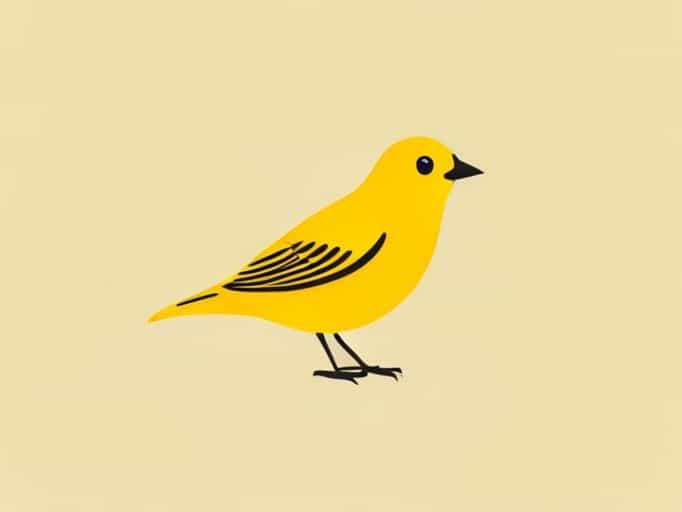
The yellowhammer is a small, striking bird known for its bright yellow plumage and melodic song, which has captured the attention of birdwatchers, photographers, and nature enthusiasts for centuries. The image of the yellowhammer bird often evokes feelings of warmth and vibrancy, reflecting its sunny coloration and cheerful presence in rural and woodland areas. Understanding the visual characteristics, habitat, and behavior of the yellowhammer can enhance appreciation of this iconic species. This topic will explore the distinctive image of the yellowhammer, its ecological importance, and tips for observing and photographing it in the wild.
Physical Appearance of the Yellowhammer
The yellowhammer (Emberiza citrinella) is easily recognizable by its vivid yellow head and underparts, which are more pronounced in males. The back is streaked with brown, providing excellent camouflage in grassy or cultivated landscapes. Female yellowhammers are generally duller, with more muted yellow and brown streaks, allowing them to remain inconspicuous while nesting. Key visual features include
- Bright yellow crown and face, especially in adult males
- Streaked brown back and wings
- Yellow underparts that may vary in intensity
- Medium-sized conical bill suitable for seed-eating
These distinctive markings make the yellowhammer one of the most easily identifiable birds in Europe and parts of Asia, and its image often symbolizes the countryside or natural beauty in artwork and photography.
Color Variation and Seasonal Changes
The yellowhammer’s plumage can change subtly with age and season. Juveniles often have duller yellow tones, and their streaked backs are more prominent to enhance camouflage. During molting periods, the intensity of the yellow can fade slightly, but adult males typically maintain their bright coloration throughout the breeding season. This seasonal variation can influence how the bird appears in images and photographs, making it important for nature photographers to consider timing when capturing the best shots.
Habitat and Distribution
The yellowhammer is commonly found across Europe and parts of western Asia, thriving in open countryside, farmland, hedgerows, and woodland edges. It prefers areas with ample hedges or shrubs for nesting and open fields for foraging. The bird’s image is closely associated with pastoral landscapes, as it often perches on fence posts, hedges, or tall grasses, providing an iconic view of rural nature.
Behavior and Feeding Habits
Yellowhammers are primarily seed-eaters, using their strong conical bills to crack open grains and seeds. They may also consume insects, especially during the breeding season to provide protein-rich food for their chicks. Observing a yellowhammer feeding in the wild often reinforces its image as a symbol of rural life, calmly perched amidst fields or hedgerows. Their song, a cheerful a little bit of bread and no cheese tune, further enhances their presence in natural settings and is often a key feature in birdwatching guides.
Breeding and Nesting
The yellowhammer’s breeding season typically occurs from April to July. Males sing from prominent perches to attract females and establish territory, making them highly visible during this period. Nests are usually built in low shrubs or dense vegetation, well hidden from predators. Female yellowhammers lay between three to five eggs, which are incubated for about 11 to 14 days. The chicks fledge within two weeks, after which they gradually become independent. The nesting behavior and family dynamics of yellowhammers contribute to their charming image and appeal in nature observation.
Symbolism and Cultural Significance
The yellowhammer has appeared in folklore, literature, and art due to its bright coloration and melodious song. In many cultures, it symbolizes happiness, cheerfulness, and the beauty of rural life. The image of the yellowhammer perched on a branch or in a field often evokes a sense of nostalgia and connection to nature. Artists and photographers frequently capture yellowhammers to convey these positive emotions, making it one of the most celebrated small birds in visual culture.
Tips for Observing and Photographing Yellowhammers
For those interested in capturing the image of a yellowhammer, understanding its behavior and habitat is essential. Here are some practical tips
- Visit open countryside, farmland, and hedgerows, especially during the breeding season in spring.
- Use binoculars to spot the bright yellow head and streaked back from a distance without disturbing the bird.
- Be patient and move quietly, as yellowhammers may fly away if approached too quickly.
- Photograph early in the morning or late in the afternoon for the best natural lighting.
- Focus on capturing both the bird and its natural surroundings to enhance the sense of habitat and context in the image.
Conservation and Population Trends
Although yellowhammers are widespread, their populations have experienced declines in some regions due to habitat loss, intensive farming, and changes in agricultural practices. Conservation efforts include maintaining hedgerows, planting native vegetation, and providing safe nesting areas. Protecting these habitats ensures that the yellowhammer continues to thrive and maintains its iconic image in natural landscapes.
The yellowhammer is more than just a visually striking bird; it embodies the essence of rural landscapes and natural beauty. Its bright yellow plumage, distinctive song, and calm presence make it a favorite subject for birdwatchers, photographers, and nature enthusiasts. Observing yellowhammers in their natural habitat provides insight into their behavior, ecology, and the challenges they face in a changing environment. By appreciating the image of the yellowhammer, we not only enjoy a beautiful bird but also gain a deeper understanding of the importance of preserving its habitat and the serene charm of countryside life.