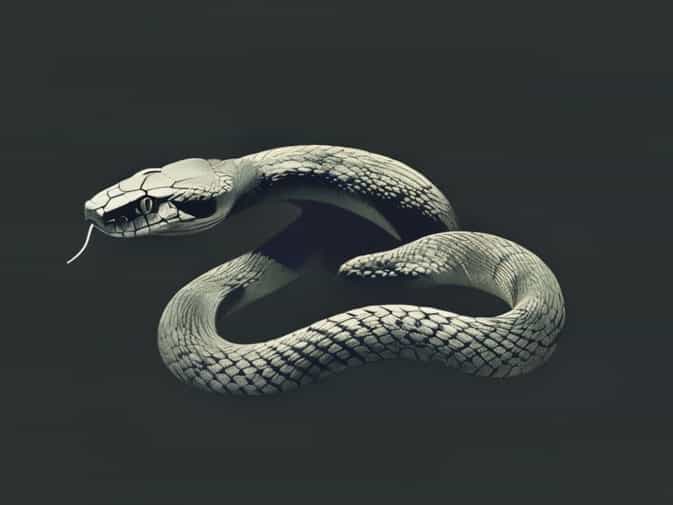
The anaconda has long fascinated scientists, explorers, and wildlife enthusiasts for its incredible size and power. Known as one of the largest snakes in the world, it lives mainly in the swamps, rivers, and rainforests of South America. Over the years, many stories and reports have surfaced about the biggest anaconda ever found, some based on verified discoveries, while others remain part of local legends. The size and mystery surrounding these massive reptiles continue to spark curiosity about how big anacondas can actually grow and what conditions allow such giants to exist in the wild.
Understanding the Anaconda Species
Before exploring the record-breaking discoveries, it is important to understand that anaconda refers to a group of snakes belonging to the genusEunectes. There are four recognized species, but the green anaconda (Eunectes murinus) is the largest and most famous. Native to the Amazon Basin, this species is known for its immense girth, strength, and semi-aquatic nature. The other species include the yellow anaconda, the dark-spotted anaconda, and the Bolivian anaconda, which are smaller in comparison.
- Green Anaconda (Eunectes murinus)The largest of all anacondas, found in South America’s Amazon and Orinoco basins.
- Yellow Anaconda (Eunectes notaeus)Smaller, more commonly found in Paraguay and northern Argentina.
- Dark-Spotted Anaconda (Eunectes deschauenseei)Native to northeastern Brazil and French Guiana.
- Bolivian Anaconda (Eunectes beniensis)Discovered relatively recently, found between the ranges of the green and yellow anacondas.
The Biggest Anaconda Ever Found
Reports of gigantic anacondas have circulated for centuries. Some claim these snakes reached over 40 feet long, but most scientific evidence supports much smaller though still enormous measurements. The most credible findings come from documented field research and photography.
The 33-Foot Green Anaconda Discovery
One of the most widely accepted records of the biggest anaconda ever found comes from the Amazon rainforest, where a green anaconda measuring approximately 33 feet (10 meters) was reported. The snake was said to weigh over 800 pounds (about 400 kilograms), making it one of the heaviest snakes ever recorded. While not every detail of this discovery is verified by modern standards, it stands as one of the largest confirmed specimens in history.
Scientists studying this case used photographic evidence and local witness reports to estimate the length and weight. The anaconda was found in a remote region near the Brazilian Amazon River, where it had likely thrived for decades. Such enormous size is rare but possible in regions with abundant prey like capybaras, caimans, and fish.
Other Reported Giant Anacondas
Throughout history, explorers and adventurers have reported seeing snakes far beyond the known size limits of the species. Early 20th-century explorers claimed sightings of anacondas up to 50 or even 60 feet long, though none of these have been scientifically confirmed.
- In 1944, a British colonel named Percy Fawcett claimed to have encountered an anaconda measuring 62 feet in the Amazon. However, there was no physical evidence to confirm it.
- In 2016, construction workers in Brazil reportedly found a massive anaconda measuring about 33 feet and weighing nearly 880 pounds after a controlled explosion at a construction site. Videos and photos circulated online, though their authenticity remains debated.
- In Venezuela, several sightings have been reported of snakes longer than 35 feet, though few have been officially documented.
How Large Can Anacondas Actually Grow?
Scientific research suggests that the green anaconda can realistically grow up to 29 33 feet long under ideal conditions, though most adults are between 15 and 20 feet. The main factors that determine their size are diet, environment, and age. These snakes grow continuously throughout their lives, though their growth slows down significantly after reaching maturity.
Factors Influencing Anaconda Size
- DietAnacondas feed on a variety of prey, including fish, birds, mammals, and reptiles. Access to large prey supports faster growth.
- EnvironmentWarm, wet environments with dense vegetation and abundant water sources favor large growth.
- AgeOlder anacondas tend to be much larger than younger ones. Some individuals may live over 30 years in the wild.
- GeneticsCertain individuals are naturally predisposed to grow larger based on their lineage.
Even though some anacondas reach legendary lengths, most documented cases by scientists fall within the range of 20 25 feet. Anything above that is considered extraordinary.
Comparing Anacondas to Other Large Snakes
The green anaconda is often compared to the reticulated python, another contender for the title of the world’s longest snake. While reticulated pythons can grow slightly longer, green anacondas are far heavier and bulkier. This makes the anaconda the world’s largest snake by weight, capable of constricting and overpowering prey as large as deer or caimans.
- Reticulated PythonCan grow up to 33 feet but usually weighs less than a green anaconda.
- Green AnacondaMay be shorter but can weigh twice as much, with an enormous body girth.
The Role of the Anaconda in the Ecosystem
Anacondas are apex predators in their environment. They help maintain the balance of ecosystems by controlling the population of prey species. Their presence in the wetlands of South America ensures that smaller animals like rodents, capybaras, and fish do not overpopulate the area. They are also prey for certain large animals, including jaguars and caimans, especially when young.
Because they spend much of their time in the water, green anacondas are rarely seen by humans. They prefer to ambush prey rather than chase it, using stealth and power to constrict and suffocate before swallowing whole. These behaviors make them both fascinating and intimidating to study.
Why Stories About Giant Anacondas Persist
The idea of an enormous snake lurking in the depths of the Amazon is deeply rooted in both science and folklore. Local tribes and explorers have shared stories for generations, describing snakes so large they could crush boats or swallow humans. While many of these tales are exaggerated, they often stem from genuine encounters with very large specimens.
Part of the mythic status of the anaconda comes from the dense, mysterious environments where it lives. Remote jungles and muddy rivers make it difficult to conduct scientific studies, leaving room for speculation and imagination. The lack of verified data also allows local legends to grow stronger with time.
Modern Research and Conservation
Today, scientists continue to study anacondas to better understand their size potential, behavior, and role in the ecosystem. Modern technology such as drones and GPS tracking helps researchers observe these reptiles in their natural habitats without disturbing them. Conservation efforts are also crucial, as habitat destruction and illegal hunting threaten their populations.
Protecting the Amazon and other South American wetlands is vital not just for the survival of anacondas, but for the entire ecosystem they support. The green anaconda, as one of nature’s most impressive predators, symbolizes the strength and mystery of the natural world.
The biggest anaconda ever found remains a subject of both scientific interest and folklore. While the largest confirmed specimens reach about 33 feet, stories of even bigger snakes continue to circulate, blending reality with myth. What is certain is that the green anaconda stands as one of the most powerful and awe-inspiring creatures on Earth. Its immense size, strength, and presence in the wild remind us of the untamed wonders that still thrive in the hidden corners of our planet. Whether or not a truly giant anaconda beyond known records exists, the fascination with these serpents will continue to capture the imagination of people worldwide.