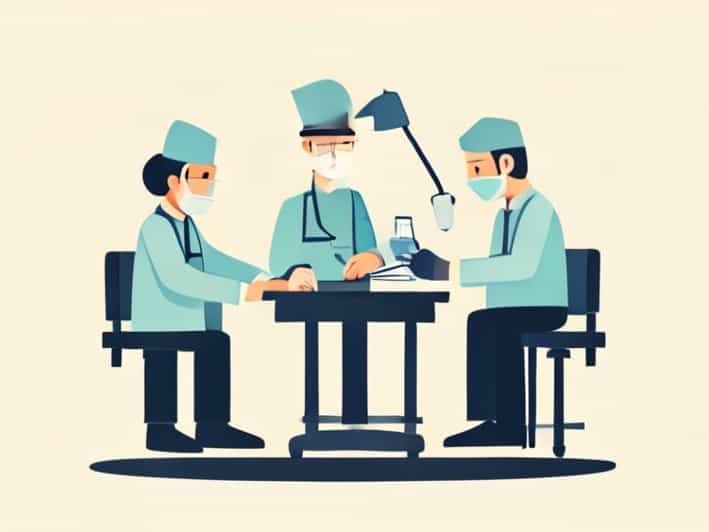
Operating rooms are known for their high-pressure environments, where split-second decisions can determine the outcome of a patient’s life. In such a tense setting, teamwork and communication are essential. However, recent studies and discussions in medical circles have highlighted a troubling issue rude surgeons impair anaesthetist performance. When surgeons display disrespectful or aggressive behavior, it doesn’t just create discomfort it can actually affect the mental focus, decision-making, and technical performance of anaesthetists, putting patient safety at risk. Understanding how rudeness impacts team dynamics in surgery is crucial for improving both workplace culture and clinical outcomes.
The Relationship Between Surgeons and Anaesthetists
The surgeon and anaesthetist relationship is one of the most important partnerships in any operating room. While the surgeon performs the procedure, the anaesthetist ensures that the patient remains unconscious, stable, and pain-free throughout the operation. This delicate balance requires constant communication and mutual trust. The two must work in harmony, responding to changes in the patient’s vital signs and coordinating care at every stage.
When this relationship functions well, it forms the backbone of safe and efficient surgery. But when respect breaks down and tension arises, it can lead to miscommunication, mistakes, and reduced efficiency. Rudeness or hostility from a surgeon can instantly disrupt this dynamic, leaving the anaesthetist distracted, anxious, or second-guessing critical decisions.
How Rude Behavior Affects Anaesthetist Performance
Rude surgeons impair anaesthetist performance through several psychological and cognitive mechanisms. The effects are not simply emotional they can be measured in terms of focus, reaction time, and clinical judgment. In high-stakes environments, even small distractions can have significant consequences.
1. Cognitive Overload
When anaesthetists are exposed to rude or condescending behavior, their mental bandwidth shifts from patient care to emotional management. Instead of fully concentrating on the procedure, part of their attention is diverted to processing the conflict or trying to remain composed. This phenomenon, known as cognitive overload, can reduce efficiency and increase the risk of error.
2. Impaired Decision-Making
Research in behavioral psychology has shown that exposure to incivility can impair working memory and problem-solving skills. In an operating room, this means an anaesthetist may be slower to recognize signs of patient distress or may hesitate when making time-sensitive adjustments to anesthesia levels. A rude comment or dismissive tone can subtly erode confidence and delay action at a critical moment.
3. Emotional Stress and Anxiety
Rudeness triggers a stress response in the body. Anaesthetists under stress may experience increased heart rate, muscle tension, and emotional strain. These physiological reactions reduce fine motor control and mental clarity, both of which are vital during complex surgeries. Over time, repeated exposure to such behavior can contribute to burnout and job dissatisfaction.
Examples of Disruptive Behavior in the Operating Room
Disruptive behavior in surgical environments can take many forms, ranging from subtle dismissiveness to outright aggression. Some examples include
- Publicly criticizing or belittling an anaesthetist in front of colleagues.
- Ignoring input or feedback during patient monitoring.
- Using sarcastic or hostile language when under pressure.
- Making unrealistic demands or blaming others for complications.
Even if such behavior seems minor in the moment, its cumulative effect can poison the work atmosphere and degrade overall team performance.
The Impact on Patient Safety
One of the most serious consequences of rude behavior in the operating room is its potential to endanger patient safety. Rude surgeons impair anaesthetist performance in ways that can have life-threatening consequences. For instance, if an anaesthetist is distracted or hesitant, they might delay a critical intervention like adjusting oxygen levels or responding to a drop in blood pressure. The slightest hesitation in such cases can have serious outcomes for the patient.
Studies on medical teamwork have found that even short episodes of incivility can reduce diagnostic accuracy and increase procedural errors. In essence, rudeness has a measurable, negative effect on performance. It interrupts the flow of information, undermines mutual respect, and breaks down the collaborative spirit that surgery depends on.
The Psychology Behind Rudeness in Medicine
To understand why rude surgeons impair anaesthetist performance, it’s useful to explore the psychological roots of incivility. Surgical environments often attract high-performing, perfection-driven professionals who operate under immense pressure. The combination of stress, fatigue, and responsibility can lead to emotional outbursts or short tempers.
However, repeated incivility often comes from deeper cultural issues in medicine, where hierarchical structures and traditional authority figures discourage open communication. In such environments, surgeons may feel entitled to dominate discussions, while anaesthetists or nurses hesitate to speak up. This power imbalance creates conditions where rude behavior goes unchecked and becomes normalized.
Building Respectful Communication in the Operating Room
Creating a respectful and collaborative atmosphere requires active effort from all members of the surgical team. Hospitals and healthcare organizations are increasingly recognizing the need to train staff in communication, empathy, and conflict management. These soft skills are just as critical as technical expertise when it comes to patient care.
1. Promoting Team Briefings and Debriefings
Structured communication sessions before and after surgeries allow everyone to voice their concerns, clarify roles, and address any tensions. When all voices are heard, misunderstandings are reduced, and mutual respect grows naturally.
2. Encouraging Zero-Tolerance Policies
Institutions that implement strict policies against rude or aggressive behavior see measurable improvements in team morale and safety. Clear consequences for unprofessional conduct set the standard that incivility will not be tolerated, regardless of rank or seniority.
3. Emotional Intelligence Training
Programs that teach emotional regulation, stress management, and empathy can greatly reduce workplace tension. Surgeons who develop greater self-awareness are less likely to lash out under pressure and more likely to foster a positive working environment.
Long-Term Effects on Anaesthetists
When anaesthetists are repeatedly exposed to rudeness, the consequences extend beyond individual surgeries. Chronic exposure can lead to emotional exhaustion, lowered confidence, and even long-term mental health challenges. Some may become disengaged, doing only what’s necessary to avoid conflict, while others may leave the profession entirely.
This attrition not only affects individual careers but also contributes to wider staffing shortages and increased workload for remaining team members. A culture of respect, therefore, is not only ethical but also essential for retaining skilled professionals and maintaining high standards of care.
Case Studies and Real-World Observations
Several studies have explored how incivility impacts performance in medical teams. In one experiment, anaesthetists exposed to rude comments during simulated surgery made more errors and missed key cues in patient monitoring compared to those working in a respectful environment. This finding supports the idea that even short-term exposure to rudeness can compromise technical performance.
Similarly, hospitals that have implemented civility training programs have reported fewer medical errors, better teamwork, and improved patient satisfaction. These findings highlight that promoting respectful communication is not just a matter of workplace harmony it’s a patient safety issue.
Rude surgeons impair anaesthetist performance not because anaesthetists lack skill or resilience, but because human focus and emotional stability are fragile under stress. The operating room demands precision, collaboration, and clear communication, all of which can be disrupted by incivility. The consequences go beyond temporary discomfort they can directly impact patient outcomes. By recognizing the power of words and attitudes, and by fostering a culture of mutual respect, the medical field can ensure that every professional performs at their best. Ultimately, saving lives requires not only technical excellence but also kindness, patience, and empathy among those who hold lives in their hands.