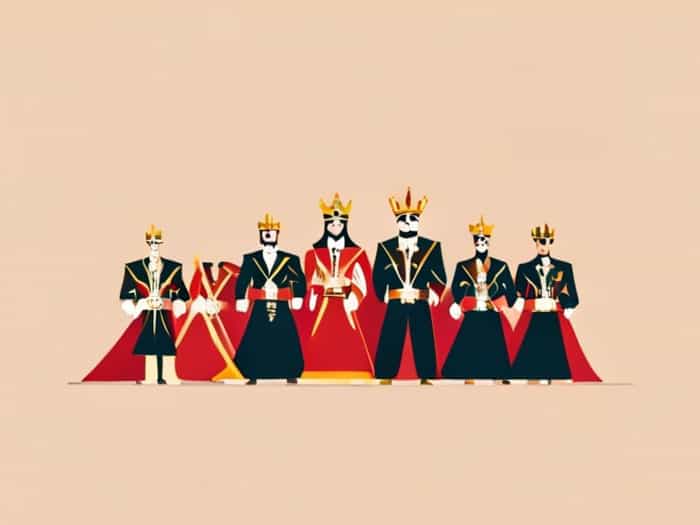
The coronation of King Charles marked a historic and symbolic moment for the United Kingdom, blending centuries-old traditions with contemporary ceremonial practices. Central to this grand event was the coronation procession, an elaborate display of pageantry, royal splendor, and national pride. The procession not only showcased the monarch’s journey to the throne but also highlighted the participation of key figures, military units, clergy, and members of the royal family. Understanding the details, route, participants, and historical significance of King Charles’s coronation procession provides insight into the enduring legacy of the British monarchy and its ceremonial traditions.
Historical Context of British Coronations
British coronations have been steeped in tradition for over a thousand years, symbolizing the formal investiture of a monarch with regal authority. Coronation processions, specifically, have long been integral to the ceremony, serving as public spectacles that connect the monarchy with its subjects. These processions often feature a combination of religious, military, and civic participants, highlighting the unity and stability of the nation under the new sovereign. King Charles’s coronation procession follows in this long-standing tradition, reflecting the pageantry that has defined royal ceremonies throughout British history.
The Route of the Coronation Procession
The route of King Charles’s coronation procession was carefully planned to allow both dignitaries and the public to witness the historic event. Starting from Buckingham Palace, the procession moved through central London, passing key landmarks such as Trafalgar Square, the Mall, and Parliament Square before reaching Westminster Abbey. This route not only provided an opportunity for public celebration but also symbolically connected the monarchy with the political and cultural heart of the nation. Along the way, thousands of spectators lined the streets to catch a glimpse of the king and the ceremonial displays.
Key Participants in the Procession
The coronation procession included a diverse array of participants, each contributing to the grandeur and significance of the event. Members of the royal family, including Prince William, Princess Catherine, and other close relatives, took prominent roles. Senior clergy from the Church of England participated to underscore the religious dimension of the coronation. Additionally, various military regiments, representing both the army and ceremonial guards, added precision, discipline, and visual splendor to the procession. Civic leaders and representatives from across the United Kingdom also joined, reflecting the national unity embodied in the ceremony.
Military and Ceremonial Units
Military units played a prominent role in King Charles’s coronation procession, offering a display of discipline and pageantry that emphasized the monarchy’s historical ties to national defense. Foot guards in traditional uniforms, cavalry units on horseback, and ceremonial bands provided musical accompaniment and visual spectacle. Each regiment adhered to precise timing and formation, demonstrating the importance of coordination in large-scale ceremonial events. The inclusion of historic regiments also highlighted the deep-rooted traditions of the British military and its longstanding relationship with the crown.
Religious Significance
The coronation procession also carried profound religious symbolism. Clergy from the Church of England, including archbishops and bishops, accompanied King Charles to Westminster Abbey, where the coronation ceremony officially took place. The presence of the clergy underscored the divine authority and spiritual responsibilities of the monarch. Religious artifacts, banners, and ceremonial robes were integrated into the procession, creating a visual narrative that linked the king’s earthly authority with spiritual guidance. This aspect of the procession reinforced the historic role of religion in British monarchy traditions.
Cultural and Public Engagement
One of the most compelling aspects of the coronation procession was the participation of the public. Tens of thousands of spectators lined the streets to witness the event, waving flags and celebrating the ascension of King Charles. Public engagement has historically been a hallmark of coronation processions, serving to unite citizens and allow them to participate in a national moment of pride. In addition to street spectators, the event was broadcast on television and online platforms, enabling global audiences to witness the ceremony and its spectacular procession. Cultural performances and displays along the route further enriched the experience, showcasing the diversity and heritage of the United Kingdom.
Royal Carriages and Attire
Central to the visual impact of the procession were the royal carriages and ceremonial attire. King Charles rode in a traditional, ornately decorated state carriage, accompanied by close family members and distinguished guests. The carriage was adorned with gold accents, crests, and ceremonial symbols reflecting the monarchy’s heritage. The king and participants wore formal attire, including coronation robes, military uniforms, and religious vestments, enhancing the visual spectacle. The combination of these elements created a procession that was both visually stunning and symbolically rich, emphasizing continuity, authority, and tradition.
Modern Elements in a Historic Tradition
While steeped in tradition, King Charles’s coronation procession also incorporated modern elements. Security measures, crowd management techniques, and media coverage ensured that the event was safe, accessible, and widely shared. Modern transportation methods for support personnel and logistical arrangements allowed the ceremony to proceed smoothly. At the same time, traditional ceremonial aspects, such as the inclusion of heralds, banners, and music, maintained the historic continuity of the procession. This blend of old and new demonstrated the monarchy’s ability to adapt while preserving its heritage.
Significance for the Monarchy
The coronation procession of King Charles holds enduring significance for the monarchy. It visually communicates the authority, stability, and legitimacy of the new sovereign. Beyond the spectacle, the procession symbolizes the connection between the crown and the people, reinforcing the monarchy’s role in national identity and unity. Ceremonies like this help to preserve cultural heritage, inspire public loyalty, and maintain global recognition of the British royal family. For King Charles, the procession represented both a personal milestone and a continuation of centuries of royal tradition.
King Charles’s coronation procession was a historic and symbolic event that blended tradition, pageantry, and modern considerations. Featuring a carefully planned route, prominent participants, military and religious elements, and extensive public engagement, the procession celebrated the ascension of a new monarch while emphasizing national unity and continuity. From royal carriages to ceremonial attire and religious symbolism, every aspect of the procession contributed to a visually stunning and culturally significant spectacle. The event reaffirmed the enduring traditions of the British monarchy while allowing King Charles to step into his role as sovereign with dignity, public support, and historical resonance.