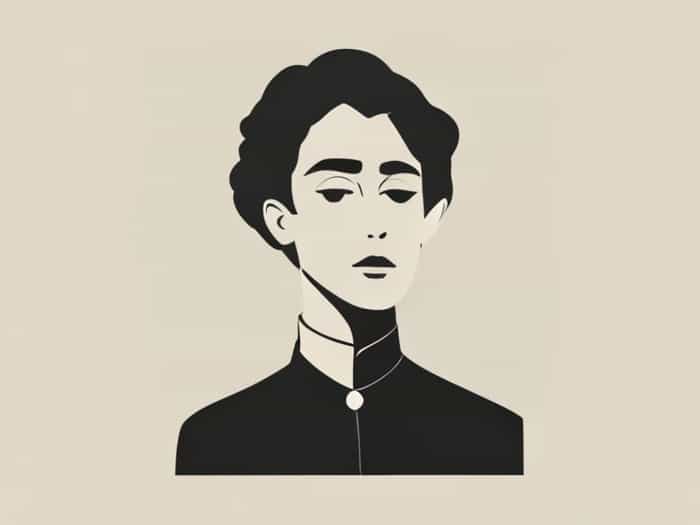
The Picture of Dorian Gray has inspired countless discussions about beauty, desire, morality, and the philosophy of aestheticism. Many readers return to the novel not only for its storyline but also for its memorable lines that express the allure and danger of living purely for pleasure and appearance. The quotes surrounding Dorian Gray and aestheticism capture the tension between art and ethics, exploring whether beauty should exist for its own sake or whether it inevitably shapes the soul. These ideas continue to attract students, artists, and literature lovers who search for meaning in Wilde’s elegant language.
Understanding Aestheticism Through Dorian Gray
Aestheticism, as explored in Oscar Wilde’s work, emphasizes beauty, sensual experience, and the belief that art does not need to serve moral or social purposes. Wilde presents this philosophy through conversations, character development, and the intense influence of Lord Henry on Dorian. The quotes associated with this worldview reveal both the seduction and the consequences of prioritizing appearance above all else.
The novel’s dialogue includes some of the most iconic reflections on beauty and pleasure. These lines help illustrate how aestheticism shaped Dorian’s choices and fed his desire for eternal youth. At the same time, they reveal the dangers hidden beneath the surface of an otherwise enchanting philosophy.
Key Aestheticism Quotes From the Novel
Several lines capture the essence of the aesthetic movement. These quotes, spoken primarily by Lord Henry, express ideas that fascinate Dorian and set him on a path of transformation. Some of the most relevant include
- The only way to get rid of a temptation is to yield to it.
- Nothing can cure the soul but the senses, just as nothing can cure the senses but the soul.
- Humanity takes itself too seriously. It is the world’s original sin.
- The search for beauty is the real secret of life.
- Youth is the one thing worth having.
These lines showcase the intense attraction Dorian feels toward a life centered on pleasure. They encourage a worldview where consequences and moral responsibilities fade in importance compared to personal indulgence and constant admiration.
The Influence of Lord Henry’s Philosophy
Lord Henry Wotton plays a central role in shaping Dorian’s understanding of aestheticism. His witty, provocative statements charm Dorian, who absorbs these ideas without considering their deeper implications. Lord Henry’s comments often blur the line between truth and manipulation, illustrating how words can influence identity.
One of the most famous lines expresses the fragility and importance of youth When your youth goes, your beauty will go with it. This moment sets the stage for Dorian’s desperation to preserve his appearance. The quote reveals the heart of aestheticism in the story the belief that beauty is the highest form of value.
Quotes Highlighting the Allure of Beauty
Several quotes emphasize the novel’s fascination with youth and physical perfection. These lines help explain Dorian’s transformation and his willingness to trade morality for eternal beauty
- Beauty is a form of genius higher, indeed, than genius.
- Behind every exquisite thing that existed, there was something tragic.
- To be good is to be in harmony with one’s self.
These statements reveal the complexity of Wilde’s views. Aestheticism celebrates beauty but also acknowledges its darker sides. The idea that beauty hides tragedy mirrors the secret corruption of Dorian’s portrait.
The Portrait as a Symbol of Aestheticism
The portrait serves as the novel’s most powerful symbol. It represents Dorian’s desire to separate outward beauty from inner reality. Through this magical device, he embraces a lifestyle where appearances are protected at any cost. The portrait absorbs the consequences of his choices, allowing him to maintain the illusion of perfection.
One memorable quote reflecting this theme is Dorian’s own realization How sad it is! I shall grow old, and horrible, and dreadful. But this picture will remain always young. This line marks the turning point when Dorian becomes deeply attached to aesthetic ideals.
The Duality of Beauty and Decay
Throughout the novel, Oscar Wilde uses the portrait to explore duality beauty on the surface and corruption beneath. This contrast supports the idea that aestheticism can hide truth rather than reveal it. Some quotes highlight this theme by showing Dorian’s increasing detachment from morality
- It is only shallow people who do not judge by appearances.
- The books that the world calls immoral are books that show the world its own shame.
These lines challenge the reader to consider whether aestheticism is liberating or dangerous. While the philosophy encourages appreciation of beauty, Wilde also warns that ignoring ethical responsibility leads to destruction.
Dorian Gray’s Transformation Through Aestheticism
Dorian begins as an innocent young man unaffected by philosophical ideas. However, as he becomes increasingly captivated by Lord Henry’s worldview, he changes. His pursuit of beauty becomes an obsession, guiding every decision he makes.
One line that illustrates this shift is Dorian’s reflection I would give my soul for that! This dramatic expression captures the intensity of his desire. It also foreshadows the tragic path he later follows.
The Emotional Cost of Pursuing Beauty
One of the core messages in the novel is that living solely for aesthetic beauty eventually carries emotional consequences. While the philosophy initially makes Dorian feel powerful and free, it gradually isolates him. Some lines hint at the sadness behind his glamorous exterior
- The moment you think you know someone, everything changes.
- Experience is merely the name men give to their mistakes.
These reflections reveal the inner turmoil that grows as Dorian realizes beauty cannot shield him from guilt or consequence forever.
The Moral Critique of Aestheticism
Although The Picture of Dorian Gray is often associated with aestheticism, the novel also critiques it. Wilde shows the limits of living a pleasure-focused life. While beauty and art enrich experience, they cannot replace relationships, truth, or integrity. The novel asks readers to consider the balance between enjoying life and maintaining moral responsibility.
One quote summarizing this tension is Every effect that one produces gives one an enemy. To be popular, one must be a mediocrity. This line hints at the conflict between authenticity and social expectation.
The Final Lesson
Dorian’s final fate demonstrates the dangers of using beauty to escape accountability. His attempt to destroy the portrait symbolizes a desire to destroy the life he built under aesthetic influence. Wilde implies that a life without balance ultimately collapses.
- Each of us has Heaven and Hell in him.
This line expresses the internal struggle central to the novel a conflict between desire and conscience.
The Dorian Gray aestheticism quotes offer powerful insight into the themes of beauty, temptation, and self-indulgence. They reflect the philosophy that shaped Dorian’s transformation and reveal the seductive power of living for pleasure alone. At the same time, the quotes expose the risks of prioritizing appearance over humanity. Through elegant language and memorable reflections, Wilde’s work continues to inspire readers to examine their own relationship with beauty, morality, and the pursuit of desire.