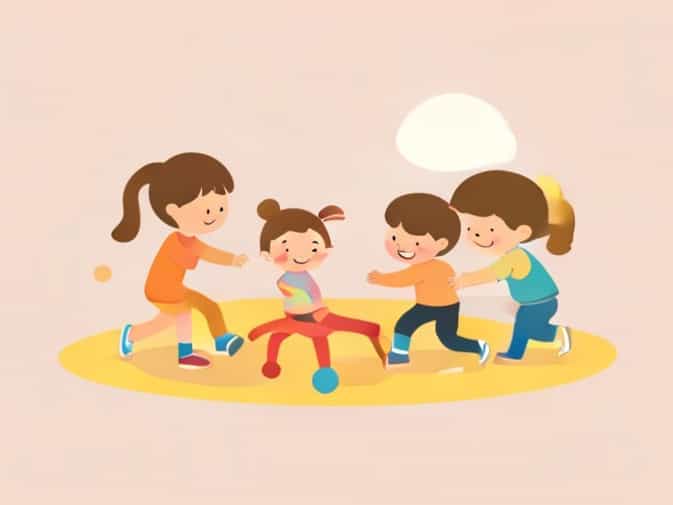
Recess is one of the most anticipated moments in a school day for children. It is a time when kids can step away from classrooms, breathe fresh air, and engage freely in activities they enjoy. Kids playing at recess create an energetic scene filled with movement, laughter, and creativity. This period is not only about relaxation; it also plays an important role in supporting physical health, social development, and emotional well-being. Understanding what happens during recess and why it is so important helps parents, teachers, and communities appreciate the value of giving children time to play.
The Importance of Recess for Children
Recess gives children the freedom to move and explore. Unlike classroom learning, which requires structure and focus, kids playing at recess can express themselves more naturally. This free play allows them to release energy, reduce stress, and return to class with better concentration. Many studies highlight how physical activity supports brain development, making recess not just a break, but an essential part of a child’s day.
Recess also contributes to emotional health. When kids run around, joke with friends, or invent new games, they practice coping skills and learn to manage their emotions. Even something simple like feeling the sunshine or wind outdoors can boost their mood.
Common Activities Kids Enjoy During Recess
Children often gravitate toward activities that match their interests and personalities. The playground becomes a space where imagination comes alive, friendships grow, and kids test their abilities. Here are some of the most common ways kids spend their recess time
- Playing tagA fast-paced game that helps kids develop speed, coordination, and teamwork.
- Swinging on swingsA relaxing and rhythmic activity that many children find soothing.
- Using slides and climbing structuresGreat for building strength and confidence.
- Sports gamesSoccer, basketball, and dodgeball often attract groups of energetic players.
- Pretend playKids act out stories, create characters, and use imagination to explore different roles.
- Quiet activitiesSome kids prefer drawing with chalk, collecting leaves, or talking under a tree.
Physical Benefits of Recess Activities
Being physically active is one of the biggest advantages of kids playing at recess. Movement helps improve cardiovascular health, strengthens muscles, and increases overall fitness. Running, jumping, climbing, and balancing all contribute to motor skill development.
Children who get regular exercise are also more likely to stay healthy in the long term. Recess encourages habits of movement that can continue into adulthood. Even just fifteen minutes of outdoor play can significantly improve a child’s physical stamina and coordination.
Social Skills Learned on the Playground
Recess is not only about physical activity. It is also a social learning environment where children practice important real-world skills. Kids playing at recess naturally encounter moments that require communication, cooperation, and negotiation.
Building Friendships
Recess gives children an opportunity to meet classmates they may not interact with during structured lessons. Many long-lasting friendships begin with simple playground conversations or shared interests in a game.
Problem-Solving and Conflict Resolution
Disagreements can happen during active play, such as who gets a turn first or what rules to follow in a game. These moments encourage kids to solve problems peacefully. Learning to compromise, apologize, or take responsibility strengthens emotional intelligence.
Teamwork and Cooperation
Group games like soccer or capture the flag teach children to work together toward a shared goal. Kids develop leadership skills, learn to support teammates, and understand the value of collaboration.
The Role of Imagination During Recess
Kids playing at recess often create imaginative worlds that turn the playground into something magical. Pretend play is one of the most powerful tools for developing creativity and critical thinking.
Inventing Games
Children frequently make up new games with unique rules. These games change daily and reveal how inventive kids can be. This creative process encourages flexible thinking and innovation.
Story-Based Play
Some children act out scenarios from their favorite movies or books, while others create completely original stories. This helps them develop language skills and emotional expression as they step into different roles.
Emotional Growth Supported by Recess
Recess provides a natural environment for emotional development. Kids playing at recess learn to manage excitement, frustration, happiness, and disappointment. Every game offers a new chance to practice emotional skills.
Confidence Building
Achieving small successes like reaching the top of a climbing wall or making a goal boosts self-esteem. Children gain confidence as they overcome challenges and discover their strengths.
Stress Relief
A break from academic pressure gives children time to relax. Running freely or chatting with friends reduces anxiety and helps them return to class feeling refreshed. Even for children who struggle socially or academically, recess can be a welcome moment of comfort.
How Schools Can Improve Recess Experiences
Schools play a big role in shaping the quality of recess. By creating a safe and inclusive environment, they can ensure that all kids enjoy this valuable time.
Providing Safe Equipment
Playground equipment should be maintained regularly to prevent injuries. Safe structures, soft ground surfaces, and clearly marked play areas help minimize risks.
Encouraging Inclusive Play
Some children may feel left out due to shyness, disabilities, or unfamiliarity with certain games. Staff can help by introducing inclusive activities that allow every child to participate comfortably.
Allowing Enough Time
A short recess may not give kids enough time to fully unwind. Longer breaks support better learning and healthier interactions, providing children with adequate space to decompress.
Training Supervisors
Adults who supervise recess play an important role in guiding healthy play. They can help resolve conflicts, ensure safety, and support children who struggle socially.
How Parents Can Support Recess at Home
Parents can reinforce the positive effects of kids playing at recess by encouraging outdoor play outside of school hours. This not only helps children stay active but also strengthens family bonding.
- Plan outdoor family activities like walks, ball games, or bike rides.
- Provide toys or tools that inspire creativity, such as jump ropes or chalk.
- Encourage unstructured playtime, allowing kids to explore freely.
- Talk about recess experiences to help children process emotions and resolve concerns.
Why Kids Need Recess More Than Ever
In a world where screens compete for children’s attention, recess offers something irreplaceable real movement, genuine social interaction, and open space to grow. Kids playing at recess get the chance to disconnect from digital distractions and connect with each other in meaningful ways.
Recess also supports lifelong habits of staying active and engaged. Without it, children may struggle with stress, reduced focus, or limited social development. Play is not optional for children it is essential.
Kids playing at recess enjoy one of the most valuable parts of their school day. It is a time filled with activity, imagination, and social connection. From physical benefits to emotional growth and friendship building, recess supports every aspect of childhood development. Ensuring that children have enough time, space, and encouragement to play freely can make a significant difference in their happiness and success. Recess may seem like a simple break, but it shapes healthier, more confident, and more creative children both in and out of the classroom.