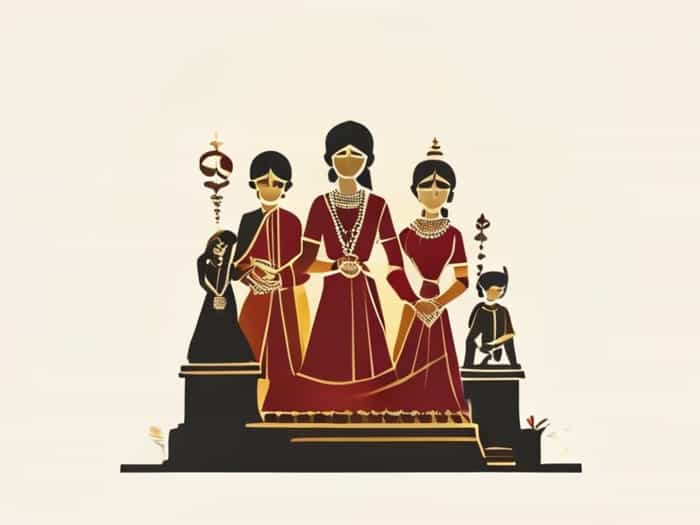
The history of the dowry system stretches across continents and cultures, making it one of the oldest social traditions related to marriage. Although many people today view dowry practices through the lens of social issues and reform, the system did not begin as a source of exploitation. Instead, it evolved over centuries, shifting in purpose and meaning as societies changed. Understanding this long history helps us see how customs surrounding family, inheritance, and marriage have shaped the dowry system into what it is today, and why discussions about it continue to be relevant in modern times.
Early Origins of the Dowry System
The dowry system did not originate in one specific region; instead, it appeared independently across many ancient civilizations. Dowries often served as a way for families to provide financial security for their daughters, especially in societies where women did not inherit property directly.
Dowry in Ancient Civilizations
In ancient Mesopotamia, dowry was documented in legal texts as a form of property given to a bride to ensure her financial support. Similarly, in Egypt and Greece, families often gifted wealth, land, or goods to their daughters at marriage. These early forms of dowry emphasized protection and stability for women.
- Mesopotamian contracts described dowries as part of a woman’s inheritance.
- Egyptian records show property being transferred to brides during marriage.
- Greek families viewed dowry as essential for securing alliances between households.
These examples show that early dowry practices were often tied to inheritance rights, economic stability, and social relationships.
Dowry in Ancient India
India is one of the regions most strongly associated with the dowry system today, but its historical roots tell a more nuanced story. In ancient India, dowry was known as stridhan, meaning property belonging exclusively to a woman.
Meaning and Purpose of Stridhan
In its original form, stridhan was not a payment to the groom’s family but rather a personal gift given to the bride. It could include jewelry, land, money, or household items. The idea was to provide the woman with material security that she could control independently, even after marriage.
- Stridhan was considered a woman’s financial safety net.
- It was protected by law in many early Indian texts.
- Husband or in-laws had no right to confiscate it.
Over time, however, these practices changed dramatically due to evolving social structures and economic shifts.
Transformation During Medieval Times
The history of the dowry system shows that practices rarely stay the same. During medieval periods in Europe, Asia, and the Middle East, dowry traditions became more complex. As societies grew more hierarchical, dowry increasingly became a tool for forming strategic alliances and strengthening a family’s social status.
Dowry as Social Negotiation
Families began using dowry arrangements to secure advantageous marriages. This shift reflected broader cultural movements where marriage was less about individuals and more about connecting families, managing property, or elevating one’s position in society.
- European aristocracies used dowry to consolidate wealth.
- Medieval Indian kingdoms exchanged lavish dowries to forge alliances.
- Middle Eastern cultures often incorporated dowry in legal marriage contracts.
As dowry became intertwined with social status, its symbolic and economic significance increased.
The Influence of Colonialism
Colonial rule in many parts of the world impacted the history of the dowry system in unexpected ways. For example, changes in property laws, taxation policies, and economic structures altered how families managed wealth and inheritance.
Legal Changes and Their Effects
In India, British colonial laws restructured inheritance rules in ways that often disadvantaged women. Property typically passed to male heirs, reducing the likelihood that women would receive family wealth directly. As a result, dowry became a substitute for inheritance, strengthening its role in marriage traditions.
- Colonial courts often favored male relatives in property disputes.
- Women’s economic rights became restricted under new legal systems.
- Families compensated daughters through marriage payments and dowries.
This transformation contributed to the dowry system becoming more entrenched and sometimes more burdensome over time.
Dowry System in Modern Times
As societies modernized, the function and perception of the dowry system changed yet again. Today, many discussions revolve around the social challenges and inequalities linked to dowry practices. However, understanding its complex historical development helps contextualize these issues.
Dowry as a Social Problem
In the 19th and 20th centuries, the dowry system in several regions became increasingly associated with financial pressure and social expectations. Economic changes, consumerism, and rising social competition contributed to inflated dowry demands.
- Dowry became linked to social status and material expectations.
- Families felt pressured to provide expensive gifts.
- Unfair practices and exploitation began to emerge in some communities.
These changes sparked widespread debate and eventually gave rise to reform movements.
Movements Against the Dowry System
The history of the dowry system also includes efforts to challenge and reform it. In many regions, activists, scholars, and lawmakers recognized that dowry practices could lead to inequality and even harm. These movements worked toward creating awareness and establishing legal protections.
Legal Reforms and Social Activism
Governments introduced laws aiming to limit or ban dowry-related abuses. While laws alone were often insufficient to eliminate the practice entirely, they played a crucial role in shifting public awareness.
- Anti-dowry legislation emphasized women’s rights and safety.
- Educational campaigns encouraged cultural change.
- Social organizations advocated for equal marriage traditions.
Over time, these efforts influenced how modern societies view and address dowry practices.
Cultural Variations in Dowry Traditions
Although the word dowry is often used in general discussions, it is important to recognize that dowry systems differ widely across cultures. Throughout history, regions developed their own unique customs influenced by religion, economy, and family structure.
Examples of Cultural Diversity
- In parts of Europe, dowry was used to help the newly married couple establish their household.
- Some African cultures used bridewealth, which served different social purposes from dowry.
- In East Asia, marriage exchanges included gifts from both families.
This variety shows that the dowry system cannot be understood as a single, uniform practice but rather as a collection of related traditions shaped by local contexts.
The Dowry System in Contemporary Society
In today’s world, the dowry system remains a topic of social, economic, and cultural debate. While some communities continue traditional forms of dowry, others are moving toward more equal and modern marriage customs. Increased education, changing gender roles, and rising awareness are influencing how younger generations perceive these traditions.
Current Trends and Perspectives
- Some couples prefer simple marriages without exchange of wealth.
- Urbanization and education promote new perspectives on equality.
- Legal protections help prevent exploitation, though challenges remain.
The evolving role of dowry reflects broader societal changes, particularly in attitudes toward gender and family life.
The history of the dowry system reveals a long and complex journey. What began as a form of inheritance and protection for women evolved into a broader social institution shaped by economics, politics, and cultural norms. Over centuries, dowry traditions shifted in meaningsometimes supporting women, sometimes burdening families, and often reflecting deeper values of society. Today, understanding this history allows us to engage with the topic more thoughtfully, acknowledging both the cultural roots and the modern challenges of the dowry system. It also highlights the importance of continued dialogue and reform as societies strive toward fairness, respect, and equality in marriage practices.