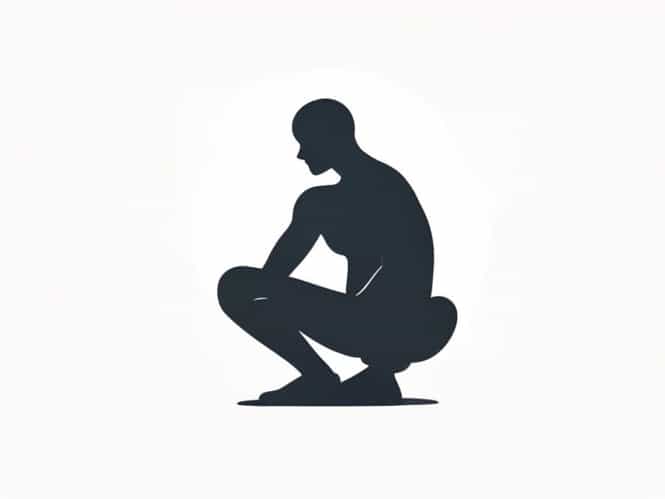
Squatting is one of the most fundamental human movements, often called the king of exercises because it engages multiple muscle groups and improves overall body strength. Whether performed with body weight, dumbbells, or a barbell, squats are a powerful exercise that builds strength, flexibility, and stability. Understanding how squatting works requires knowing what muscles are involved, how proper technique supports your body, and why this simple motion is essential for both athletes and everyday people. It’s not just a workout move it’s a natural motion that enhances your body’s ability to move efficiently and stay strong.
The Science Behind Squatting
When you perform a squat, your body activates several major muscle groups simultaneously. This makes it one of the most effective compound exercises in fitness. The movement primarily involves bending your knees and hips to lower your body, then pushing back up to a standing position. During this process, your muscles, joints, and nervous system work together to maintain balance, produce force, and control movement.
Muscle Groups Involved
Squatting targets many areas of the body, particularly the lower half. The main muscles activated include
- QuadricepsThe front thigh muscles that extend the knee as you stand back up.
- Gluteus maximusThe large muscles in the buttocks that power hip extension during the upward phase.
- HamstringsThe muscles at the back of your thighs that assist in bending the knees and stabilizing movement.
- CalvesThese muscles help maintain balance and provide support as you lower and raise your body.
- Core musclesIncluding the abs and lower back, which stabilize the torso and prevent you from leaning too far forward or backward.
By engaging all these muscles at once, squats improve strength, coordination, and endurance. Even the upper body gets involved, especially when using weights, since your shoulders and arms help stabilize the load.
How the Movement Works
To understand how squatting works mechanically, it’s helpful to break down each phase of the movement. Every stage serves a specific function and activates muscles differently, ensuring balanced development and proper control.
The Descent (Eccentric Phase)
This is the lowering phase of the squat, where you bend your knees and push your hips back. Your quadriceps and glutes are stretched under tension, and your hamstrings stabilize your lower body. Proper breathing during this phase is crucial you should inhale as you go down to maintain control and prepare your core for the upward movement.
The Bottom Position
At the lowest point of the squat, your thighs are either parallel to the floor or slightly below, depending on flexibility and mobility. Here, your hips, knees, and ankles are fully engaged. Maintaining a neutral spine and keeping your chest up prevents lower back strain. This position is where your muscles store elastic energy, which will be released during the upward movement.
The Ascent (Concentric Phase)
As you push back up, your quadriceps, glutes, and hamstrings contract powerfully. This phase generates the most force. Exhaling as you rise helps activate your core and release pressure. The goal is to drive upward through your heels while keeping the knees aligned with your toes. This coordinated movement improves both strength and stability over time.
Types of Squats and How They Work
Squats can be performed in various ways, each emphasizing different muscles or improving specific aspects of fitness. Understanding how each variation works can help you tailor your routine to your goals.
Bodyweight Squat
This basic version relies solely on your body weight for resistance. It’s perfect for beginners or for warming up before heavy lifting. The focus is on form, balance, and range of motion. Bodyweight squats improve mobility and prepare the muscles for more demanding exercises.
Goblet Squat
Holding a dumbbell or kettlebell at chest level adds resistance and helps you maintain an upright torso. The goblet squat strengthens your core and teaches proper squatting posture, making it a great intermediate step before barbell squats.
Barbell Back Squat
This version involves placing a barbell across your upper back. It engages nearly every major muscle group and allows for significant strength gains. The back squat emphasizes the posterior chain glutes, hamstrings, and lower back making it a cornerstone of strength training.
Front Squat
In this variation, the barbell rests across the front of your shoulders. It shifts the center of gravity forward, requiring greater core engagement and upright posture. Front squats target the quadriceps more directly and are excellent for improving athletic performance.
Sumo or Wide-Stance Squat
With feet placed wider apart and toes turned outward, this squat targets the inner thighs and glutes more intensely. It’s ideal for those looking to build hip strength and flexibility.
Benefits of Squatting
Understanding how squatting works also means recognizing its extensive benefits beyond just building muscle. It improves the body’s functional strength, posture, and metabolic rate, making it essential for overall health.
Builds Strength and Muscle Mass
Squats engage large muscle groups, which stimulates the release of growth hormones that aid in muscle development. Consistent squatting increases lower-body strength and helps enhance performance in other exercises and daily movements like walking, running, or climbing stairs.
Improves Mobility and Flexibility
Proper squatting stretches and strengthens the hip flexors, ankles, and lower back. Over time, it enhances range of motion and reduces stiffness. This is particularly beneficial for maintaining joint health and preventing injuries as you age.
Supports Core Stability
During a squat, your abdominal and lower back muscles work together to stabilize the torso. This strengthens your core, improving posture and reducing the risk of back pain. A strong core also enhances athletic performance by providing a solid foundation for movement.
Boosts Metabolism
Because squats involve large muscle groups, they burn significant calories and increase metabolic activity even after your workout. Incorporating squats into your exercise routine can support weight management and improve body composition.
Enhances Balance and Coordination
Performing squats trains the body to move efficiently while maintaining balance. The combination of muscle engagement, joint control, and core activation helps improve overall stability. This translates to better coordination in both athletic activities and everyday life.
Common Mistakes and How to Avoid Them
While squats are highly effective, improper form can lead to discomfort or injury. Understanding common mistakes helps ensure that you perform them safely and efficiently.
Leaning Too Far Forward
Tilting your torso excessively puts pressure on your lower back. Keep your chest lifted and engage your core to maintain an upright position throughout the movement.
Knees Caving Inward
This issue, known as knee valgus, occurs when the knees move inward during the squat. It can stress the joints and lead to injury. Focus on keeping your knees in line with your toes by strengthening the glutes and hip muscles.
Lifting Heels Off the Ground
Rising onto your toes reduces stability and limits power. Always press through your heels to engage the correct muscles and maintain balance.
Shallow Squatting
Not squatting deep enough reduces effectiveness. Aim to lower your thighs to at least parallel with the ground, depending on your flexibility and comfort. Gradually improving depth helps maximize muscle activation and mobility.
How to Perform a Proper Squat
Here’s a step-by-step guide to doing a basic squat correctly
- Stand with your feet shoulder-width apart and toes slightly pointed outward.
- Engage your core and keep your chest up.
- Push your hips back as if sitting in a chair while bending your knees.
- Lower yourself until your thighs are parallel to the ground.
- Pause briefly, keeping your weight in your heels.
- Push through your heels to stand back up, exhaling as you rise.
Repeating this movement with control builds strength, balance, and endurance over time. As you progress, you can increase intensity with weights or different squat variations.
Squatting works by engaging multiple muscle groups through a coordinated motion that challenges strength, balance, and flexibility. It’s one of the most efficient exercises for building a strong, functional body and improving daily movement. Whether done with body weight or resistance, squats enhance posture, mobility, and metabolism. By understanding how the muscles, joints, and nervous system work together during a squat, anyone can perform this exercise safely and effectively. The key lies in proper form, consistency, and mindful movement turning a simple action into a foundation for lasting physical strength and health.