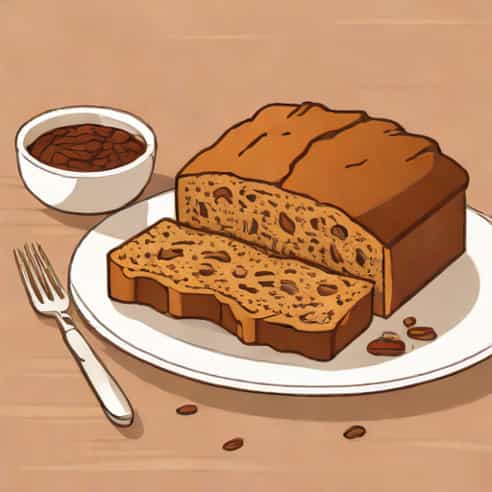
Pumpernickel bread is a dense, dark, and flavorful bread that has gained popularity around the world for its rich taste, long shelf life, and potential health benefits. Known for its characteristic dark brown color and slightly sweet, earthy flavor, pumpernickel is traditionally made from coarsely ground rye flour and sometimes a mixture of rye and wheat flours. Beyond its unique taste and texture, many people are interested in understanding the nutritional profile of pumpernickel bread, particularly its calorie content, as it plays a crucial role in maintaining a balanced diet. Knowing the calories in pumpernickel bread helps individuals make informed decisions about portion sizes and integrate this bread into a healthy eating plan without compromising taste or satisfaction.
What is Pumpernickel Bread?
Pumpernickel bread has its origins in Germany, particularly in the Westphalia region, where it was traditionally baked using a slow, long fermentation process. This method gives the bread its distinct dark color and rich, slightly sweet flavor. Authentic German pumpernickel is made with 100% rye flour and baked for many hours at low temperatures, which results in a dense and chewy texture. Modern variations of pumpernickel, especially those found in grocery stores, may use a combination of rye and wheat flour and often include sweeteners like molasses or honey to enhance the flavor and darken the color. Regardless of the recipe, pumpernickel remains a popular choice for sandwiches, toasts, and as a companion to soups and salads.
Calories in Pumpernickel Bread
The calorie content of pumpernickel bread can vary depending on the recipe, ingredients, and serving size. On average, one slice of commercial pumpernickel bread, which typically weighs around 28 grams, contains approximately 70 to 80 calories. Artisanal or homemade versions may have slightly higher or lower calories depending on the inclusion of whole grains, seeds, or sweeteners. For comparison, whole wheat bread generally has about 80 to 90 calories per slice, while white bread has around 75 to 80 calories per slice. Understanding the calorie content helps individuals manage their daily caloric intake, especially for those tracking weight or following a specific dietary plan.
Nutritional Composition
In addition to calories, pumpernickel bread offers other nutritional benefits. It is rich in complex carbohydrates, providing sustained energy and helping to maintain stable blood sugar levels. The high fiber content in rye flour promotes healthy digestion and can contribute to feelings of fullness, making it a good option for weight management. Pumpernickel bread also contains protein, though in moderate amounts, as well as essential vitamins and minerals such as manganese, phosphorus, magnesium, and B vitamins.
Key Nutritional Components
- Calories 70-80 per slice (28 grams)
- Carbohydrates 12-15 grams per slice
- Dietary Fiber 2-3 grams per slice
- Protein 2-3 grams per slice
- Fat 0.5-1 gram per slice
- Vitamins B1, B2, B3, B6, folate
- Minerals manganese, phosphorus, magnesium, iron
Factors Affecting Calorie Content
The calorie content of pumpernickel bread can vary due to several factors, including the type of flour used, the inclusion of seeds or nuts, and any added sweeteners. Traditional 100% rye pumpernickel tends to be lower in calories than versions that include wheat flour or sugar. Some commercial breads also include sunflower seeds, flaxseeds, or pumpkin seeds, which can increase the caloric density while providing additional nutrients and healthy fats. Similarly, molasses or honey may slightly increase the calorie content but also add flavor and depth to the bread.
Portion Size Matters
Paying attention to portion sizes is important when calculating calories in pumpernickel bread. A standard slice is typically around 28 grams, but slices at bakeries or artisanal breads may be larger, sometimes weighing 40 grams or more. In such cases, the calorie content could increase to 100-120 calories per slice. Measuring or weighing slices helps individuals accurately track their caloric intake and integrate pumpernickel into a balanced diet without overconsumption.
Health Benefits of Pumpernickel Bread
Pumpernickel bread offers several health benefits beyond its calorie content. The high fiber content aids digestion and supports gut health, while the complex carbohydrates provide sustained energy and help maintain stable blood sugar levels. Rye flour has a lower glycemic index compared to wheat flour, making pumpernickel a suitable choice for people managing diabetes or insulin resistance. Additionally, the vitamins and minerals present in pumpernickel contribute to overall health, supporting bone strength, metabolic function, and cardiovascular health.
Weight Management
Due to its fiber-rich composition, pumpernickel bread can help promote satiety, reducing the likelihood of overeating. Including pumpernickel in meals can support weight management by providing a satisfying base for sandwiches or toasts without contributing excessive calories. When paired with lean proteins, vegetables, and healthy fats, it becomes a nutritious component of a balanced diet.
Ways to Incorporate Pumpernickel Bread into Your Diet
Pumpernickel bread can be used in various ways to enhance meals while keeping calorie intake under control. It is excellent for open-faced sandwiches with lean meats, cheese, or vegetables. Toasted pumpernickel pairs well with avocado, eggs, or smoked salmon for a nutrient-dense breakfast. It can also be served as a side to soups and stews, or used in creative recipes like bread puddings or stuffing. Its dense texture and rich flavor allow it to stand out even in small portions, making it a versatile choice for many meals.
Serving Suggestions
- Top with avocado, tomato, and a poached egg for a balanced breakfast.
- Use as a base for smoked salmon and cream cheese sandwiches.
- Pair with hearty soups, like lentil or vegetable soup, for added fiber and flavor.
- Spread with hummus or nut butter for a snack or light meal.
- Include in a charcuterie board with cheese, pickles, and lean meats.
Pumpernickel bread is a flavorful, nutrient-rich bread that offers a moderate calorie count and numerous health benefits. With 70-80 calories per standard slice and high fiber content, it provides a satisfying option for those looking to maintain a balanced diet. Its unique flavor and dense texture make it versatile in sandwiches, breakfasts, snacks, and side dishes. Understanding the calorie content and nutritional profile allows individuals to enjoy pumpernickel bread as part of a healthy lifestyle, incorporating it into meals without compromising taste or dietary goals. By selecting quality ingredients and paying attention to portion sizes, pumpernickel bread can be both a delicious and nutritious addition to any diet.