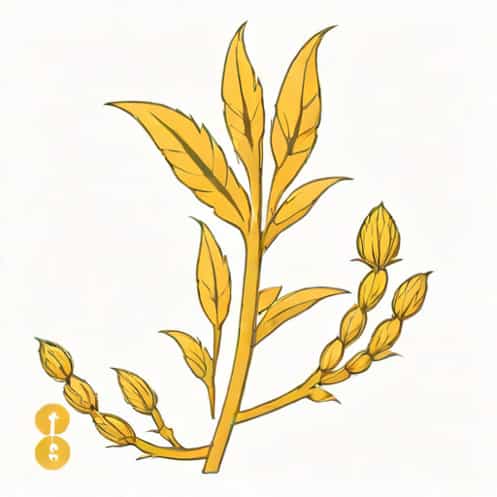
Ergot of bajra, also known as pearl millet ergot, is a significant fungal disease affecting bajra crops, leading to substantial yield losses and contamination issues. This disease is caused by a specific fungal pathogen that infects the flowering heads of the crop, producing toxic alkaloids that can be harmful to both humans and livestock. Understanding the causal organism, its life cycle, and management practices is crucial for farmers, agronomists, and plant pathologists to prevent the spread of ergot and safeguard food security.
What is Ergot of Bajra?
Ergot of bajra is a fungal disease primarily affecting the inflorescence or earheads of pearl millet (Pennisetum glaucum). The disease manifests as dark, hardened structures replacing the healthy grains. These structures, known as sclerotia, are filled with fungal spores and toxic compounds called ergot alkaloids. Infection usually occurs during the flowering stage, and once the fungus establishes itself, it can drastically reduce grain quality and quantity.
Importance of Understanding Ergot
The presence of ergot in bajra not only diminishes crop yield but also introduces health hazards. Ergot alkaloids can cause ergotism if consumed by humans or livestock, leading to symptoms such as convulsions, gangrene, and hallucinations. Thus, knowledge about the causal organism and preventive measures is essential to minimize economic losses and ensure food safety.
Causal Organism of Ergot in Bajra
The ergot disease in bajra is caused by the fungusClaviceps fusiformis. This fungus is specialized to infect millets, particularly pearl millet, and is part of the Clavicipitaceae family.Claviceps fusiformisproduces sclerotia that replace the normal grains in the earhead and serve as survival structures for the fungus. The sclerotia contain spores and ergot alkaloids, which are highly toxic and have historically been associated with ergotism outbreaks in humans and animals.
Characteristics ofClaviceps fusiformis
- AppearanceThe sclerotia are elongated, dark brown to black, and resemble grains but are much harder.
- Life CycleThe fungus infects flowers, replaces seeds with sclerotia, and releases spores to continue its spread.
- ToxicityContains ergot alkaloids, which are harmful when ingested.
Life Cycle of Ergot Fungus
The life cycle ofClaviceps fusiformisis intricate and closely linked to the flowering stage of bajra
- Spore GerminationThe fungus releases spores during the flowering stage, which land on susceptible florets.
- InfectionSpores germinate and penetrate the ovary of the flower, establishing fungal tissue.
- Sclerotia FormationInfected florets are transformed into hard, dark sclerotia filled with spores and alkaloids.
- DispersalThe sclerotia fall to the soil after harvest, remaining dormant until the next growing season, ensuring the fungus’s survival.
Conditions Favoring Ergot Infection
Ergot of bajra thrives under specific environmental conditions
- High humidity and wet weather during flowering increase the likelihood of infection.
- Crowded planting and poor air circulation can facilitate the spread of spores.
- Delayed or asynchronous flowering can leave flowers vulnerable to fungal infection.
Symptoms and Identification
Recognizing ergot infection early is crucial for effective management. Key symptoms include
- Dark, elongated sclerotia replacing normal grains in the earheads.
- Distorted or shriveled florets that fail to produce healthy seeds.
- Presence of sticky honeydew on infected florets, which contains spores for further spread.
- Overall reduction in grain yield and quality.
Impact on Crop and Health
Ergot infection reduces both the yield and quality of bajra crops. Contaminated grains are unfit for consumption, posing a risk of ergotism if ingested. Livestock consuming infected bajra may experience convulsions, reduced milk production, or more severe symptoms depending on the amount of alkaloid intake. Economically, farmers face losses due to lower market value and increased costs for control measures.
Management and Control Measures
Controlling ergot of bajra requires integrated approaches that combine cultural, biological, and chemical methods
Cultural Practices
- Plant resistant or tolerant bajra varieties that show reduced susceptibility toClaviceps fusiformis.
- Maintain proper spacing to ensure good air circulation and reduce humidity around flowering heads.
- Harvest promptly and remove sclerotia from the field to prevent soil contamination.
- Rotate crops with non-host plants to break the life cycle of the fungus.
Biological and Chemical Methods
- Use of fungicides may help reduce infection, particularly during the flowering stage, but must be applied carefully according to guidelines.
- Biological control using antagonistic microorganisms can suppress fungal growth in some cases.
Prevention Strategies
Preventing ergot of bajra is often more effective than treating it. Strategies include
- Monitoring fields closely during flowering to detect early signs of infection.
- Cleaning seeds thoroughly to avoid spreading sclerotia during planting.
- Maintaining optimal soil fertility and plant health to improve resistance.
- Educating farmers about the importance of ergot management for safe food and livestock feed.
Ergot of bajra, caused byClaviceps fusiformis, is a critical disease affecting pearl millet production. Understanding its causal organism, life cycle, environmental conditions favoring infection, and symptoms is essential for effective management. Employing cultural, biological, and chemical control methods along with preventive strategies can reduce the incidence of ergot, protect crop yield, and ensure food and livestock safety. Awareness and timely action remain key to mitigating the economic and health impacts of this fungal disease.