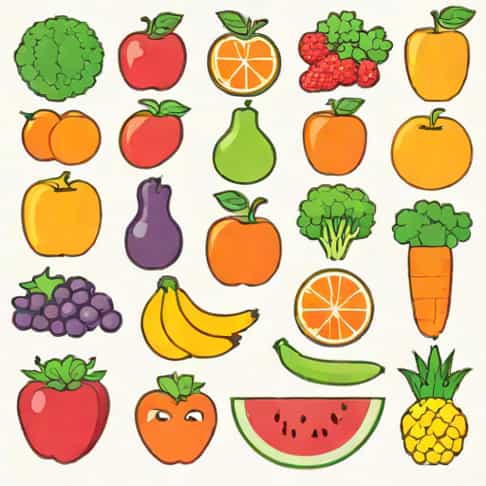
Eating a balanced diet is essential for maintaining good health, and one of the simplest ways to achieve this is by including sufficient servings of fruits and vegetables each day. Fruits and vegetables are packed with essential vitamins, minerals, fiber, and antioxidants, which help support overall well-being, reduce the risk of chronic diseases, and promote a healthy digestive system. Despite the well-known benefits, many people still struggle to meet the recommended daily intake. Understanding how many servings are needed, how to measure them, and creative ways to include them in daily meals can make achieving the recommended intake much easier and enjoyable.
Recommended Fruit and Vegetable Servings
Health authorities worldwide emphasize the importance of consuming a variety of fruits and vegetables each day. According to the World Health Organization (WHO) and many national dietary guidelines, adults should aim for at least five servings of fruits and vegetables daily. This recommendation can be broken down into roughly two servings of fruit and three servings of vegetables, although the exact proportions can vary based on personal preferences and dietary needs. Meeting these targets helps ensure the intake of essential nutrients while supporting overall health.
Understanding What Counts as a Serving
A serving size can vary depending on the type of fruit or vegetable, and understanding these measurements helps ensure you consume enough each day. Common serving equivalents include
- One medium-sized fruit, such as an apple, orange, or banana
- Half a cup of chopped, cooked, or canned fruits or vegetables
- One cup of leafy greens, such as spinach, kale, or lettuce
- One-third cup of dried fruit
- Half a cup of 100% fruit or vegetable juice
By mixing different types of fruits and vegetables and considering portion sizes, it is easier to reach the recommended five servings per day.
Health Benefits of Consuming Fruits and Vegetables
Including fruits and vegetables in your diet provides numerous health benefits, from improved digestion to reduced risk of chronic diseases. Here are some key advantages
Rich in Nutrients
- Fruits and vegetables are excellent sources of essential vitamins, such as vitamin C, vitamin A, and folate.
- Minerals like potassium, magnesium, and calcium are abundant in many fruits and vegetables.
- High fiber content supports digestive health and helps maintain a healthy weight.
Antioxidant Properties
- Fruits and vegetables contain antioxidants that protect cells from damage caused by free radicals.
- Antioxidants, such as beta-carotene, flavonoids, and vitamin C, contribute to overall health and may reduce the risk of chronic diseases.
- Consuming a variety of colorful fruits and vegetables ensures a wide range of antioxidants.
Reduced Risk of Chronic Diseases
Regular consumption of fruits and vegetables has been linked to a lower risk of several chronic conditions
- Cardiovascular disease The fiber, potassium, and antioxidants in fruits and vegetables help support heart health.
- Type 2 diabetes Diets high in fruits and vegetables can improve blood sugar control and reduce the risk of diabetes.
- Cancer prevention Certain fruits and vegetables contain compounds that may help prevent specific types of cancer.
- Weight management Low-calorie, nutrient-dense fruits and vegetables help maintain a healthy weight.
Practical Tips to Increase Servings
Meeting the daily recommended servings of fruits and vegetables can be simple with a few practical strategies. Incorporating them into meals and snacks ensures consistency throughout the day.
Breakfast Ideas
- Add fresh berries or sliced bananas to oatmeal or cereal.
- Include vegetables in omelets or breakfast wraps.
- Blend fruits and vegetables into smoothies for a nutrient-rich start to the day.
Lunch and Dinner Tips
- Add a side salad or steamed vegetables to main courses.
- Include multiple vegetables in stir-fries, soups, and casseroles.
- Use fruit as a topping for yogurt or as a dessert alternative.
Healthy Snacking
- Keep fresh fruit like apples, oranges, or grapes on hand for quick snacks.
- Cut raw vegetables, such as carrots, cucumber, or bell peppers, for easy snacking with hummus.
- Incorporate dried fruits and vegetable chips as occasional snacks.
Variety Matters
Consuming a variety of fruits and vegetables ensures you receive a broad spectrum of nutrients and keeps meals interesting. Different colors often indicate different vitamins and antioxidants, so including a rainbow of produce is beneficial for health. Examples include
- Red Tomatoes, strawberries, red peppers
- Orange/Yellow Carrots, oranges, yellow bell peppers
- Green Spinach, broccoli, kiwi
- Blue/Purple Blueberries, eggplant, purple cabbage
- White/Brown Cauliflower, mushrooms, onions
Challenges and Solutions
Some people struggle to consume enough fruits and vegetables due to busy schedules, cost, or personal preferences. However, simple solutions can help overcome these barriers
- Frozen or canned fruits and vegetables are convenient, affordable, and nutritious.
- Batch cooking and meal prepping help ensure vegetables are readily available for meals.
- Experiment with different cooking methods, such as roasting, steaming, or sautéing, to enhance flavors.
- Involve family members in selecting and preparing fruits and vegetables to increase variety and enjoyment.
Tracking Daily Intake
Monitoring your fruit and vegetable servings can help ensure you meet nutritional goals. Using a food diary, mobile app, or simple checklist can make tracking easy. Many nutrition apps allow you to log servings and visualize your daily intake, making it easier to stay on track and adjust habits as needed.
Examples of Daily Servings
- Breakfast 1 banana + 1 cup of berries in oatmeal (2 servings)
- Lunch Mixed vegetable salad with leafy greens, tomatoes, and cucumbers (2 servings)
- Snack Apple and carrot sticks (1 serving)
- Dinner Stir-fried broccoli, bell peppers, and mushrooms (2 servings)
Eating the recommended number of fruit and vegetable servings each day is crucial for maintaining overall health and preventing chronic diseases. Aiming for at least five servings daily, with a mix of fruits and vegetables, provides essential vitamins, minerals, fiber, and antioxidants. Practical strategies, variety, and mindful tracking can make meeting these goals achievable and enjoyable. By making small, consistent changes, anyone can improve their nutrition, support their immune system, and enhance overall well-being. Incorporating fruits and vegetables into every meal and snack ensures a balanced diet and lays the foundation for a healthy lifestyle.