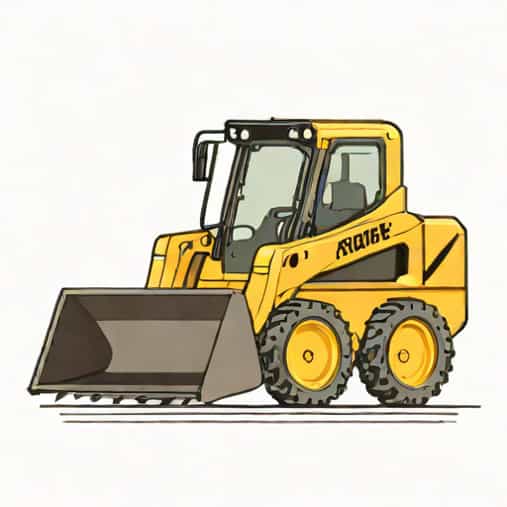
Renting a skid steer can be an essential solution for construction projects, landscaping, agriculture, or any job that requires heavy lifting and versatile equipment. Skid steers are compact, maneuverable machines that can handle a variety of attachments, including buckets, forks, augers, and brush cutters. However, one of the first questions that arises when planning a project is, How much is a skid steer rental? Understanding the factors that influence rental costs, typical pricing ranges, and additional fees is crucial for budgeting and ensuring a smooth project experience.
Factors Affecting Skid Steer Rental Costs
The cost of renting a skid steer varies depending on several factors. These include the size and model of the skid steer, rental duration, geographic location, and additional equipment or attachments required. Each factor contributes to the final rental price and should be considered when planning a project.
Size and Model
Skid steers come in various sizes and capabilities. Smaller models with less horsepower and lower lift capacities are generally cheaper to rent, while larger, high-performance models with advanced features will cost more. Rental companies often categorize skid steers by their rated operating capacity, engine size, and hydraulic power, which directly affects pricing.
Rental Duration
Rental costs are typically structured around daily, weekly, or monthly rates. Daily rentals are ideal for short-term projects, but the per-day rate may be higher compared to long-term rentals. Weekly or monthly rentals often provide discounts, making them more cost-effective for extended projects. Understanding the project timeline helps in choosing the most economical rental duration.
Location and Market Demand
Geographic location and local market demand can influence skid steer rental costs. Urban areas or regions with high construction activity may have higher rental rates due to increased demand. Conversely, rural areas or locations with multiple rental suppliers may offer more competitive pricing. It is beneficial to compare prices from multiple rental providers within the area to find the best deal.
Attachments and Accessories
The versatility of skid steers comes from their ability to use various attachments. Buckets, pallet forks, hydraulic hammers, brush cutters, and trenchers are common examples. Some rental companies include basic attachments in the rental price, while specialized attachments may incur additional fees. It is important to identify which attachments are necessary for the project and factor those costs into the budget.
Typical Skid Steer Rental Prices
While prices vary, the following are general estimates for skid steer rental costs in the United States
- Daily Rental$200 to $500 per day, depending on the model and attachments.
- Weekly Rental$800 to $1,500 per week, often including basic attachments.
- Monthly Rental$2,500 to $4,500 per month, ideal for longer projects.
These ranges are approximate and may differ based on local market conditions, equipment availability, and the rental company’s policies.
Additional Costs to Consider
When budgeting for a skid steer rental, it is important to account for additional costs that may not be included in the base rental price. These can include
- FuelSkid steers typically require diesel or gasoline, which is often the renter’s responsibility.
- InsuranceSome rental companies require damage coverage or liability insurance.
- Delivery and PickupTransporting the skid steer to and from the job site may incur extra fees.
- Security DepositsMany rental companies require a refundable deposit to cover potential damage or loss.
Insurance Options
Insurance is an important consideration, as it protects both the renter and the rental company from damages or accidents. Some companies offer insurance packages for an additional daily or weekly fee. If the renter already has equipment coverage, it may be possible to use existing policies. Understanding insurance requirements before renting ensures compliance and reduces potential financial risks.
Tips for Reducing Rental Costs
There are several strategies to minimize skid steer rental expenses without compromising project quality. These include
- Compare multiple rental providers to find competitive rates.
- Consider long-term rental if the project duration is extended, as weekly or monthly rates are more cost-effective.
- Evaluate whether all attachments are necessary or if the project can be completed with basic equipment.
- Schedule deliveries and pickups efficiently to reduce transport fees.
- Check for local promotions, discounts, or partnerships that offer reduced rates.
Choosing the Right Skid Steer
Selecting the appropriate skid steer for a project is essential for cost efficiency and operational effectiveness. Consider the following factors
- Project size and scale Ensure the skid steer’s lift capacity and horsepower match the workload.
- Attachment needs Identify necessary tools to avoid unnecessary rental fees.
- Operator skill Ensure the operator is trained to handle the equipment safely.
- Terrain and accessibility Consider wheel or track models depending on ground conditions.
Understanding how much a skid steer rental costs involves more than just checking daily or weekly rates. Factors such as the size and model of the skid steer, rental duration, location, and necessary attachments all contribute to the final price. Additional considerations, including fuel, insurance, delivery, and deposits, must also be factored into the budget. By comparing rental providers, planning the project duration carefully, and selecting the right attachments, renters can manage costs effectively. Skid steer rentals provide a flexible and practical solution for a wide range of projects, and careful planning ensures that the investment is both efficient and productive. Ultimately, knowing the factors that influence rental costs and taking steps to optimize expenses allows project managers, contractors, and homeowners to complete their work successfully while staying within budget.