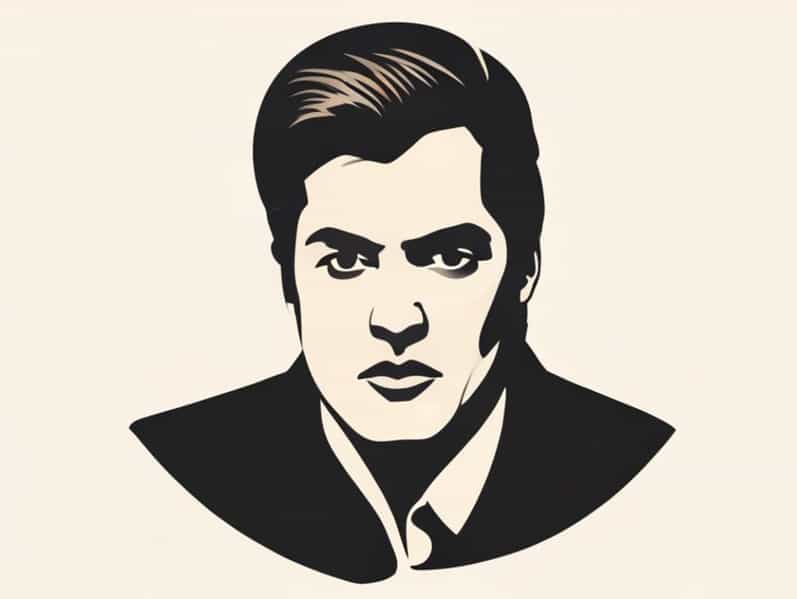
Elvis Presley remains one of the most iconic figures in music history, and decades after his death, people around the world still ask questions about his life, career, and final years. One of the most commonly searched questions is how old Elvis was when he died. While the answer itself is simple, understanding it fully requires looking at the broader context of his life, the pressures he faced, and the legacy he left behind. Elvis was more than a singer; he was a cultural phenomenon whose life burned brightly and ended far too soon.
Elvis Presley’s Birth and Early Life
Elvis Aaron Presley was born on January 8, 1935, in Tupelo, Mississippi. He was raised in a modest household and grew up surrounded by gospel music, blues, and country influences. These early musical experiences shaped his unique sound and performance style.
From a young age, Elvis showed a deep connection to music. His childhood was marked by financial struggles, but also by strong family bonds, especially with his mother, Gladys Presley.
How Old Was Elvis When He Died?
Elvis Presley died on August 16, 1977. At the time of his death, he was 42 years old. This fact often surprises people, as his influence and long-lasting fame make it feel as though he lived a much longer life.
His death at such a young age added to the shock felt around the world and contributed to the enduring mystery and fascination surrounding his final years.
Elvis at the Peak of His Career
Elvis rose to fame in the mid-1950s, becoming a global sensation while still in his early twenties. His energetic performances, distinctive voice, and groundbreaking fusion of musical styles changed popular music forever.
By the time he was 25, Elvis was already an international star with hit songs, movies, and sold-out concerts. Few artists have ever reached that level of fame so quickly.
Early Fame and Its Impact
Becoming famous at such a young age brought enormous pressure. Elvis faced constant public attention, demanding schedules, and expectations that few people could handle.
These pressures would later play a role in shaping both his personal struggles and his health.
Elvis’s Life in His Thirties
During his thirties, Elvis continued to perform and release music, though his career shifted direction. He spent several years focusing on Hollywood films, many of which were commercially successful but creatively limiting.
As he entered his late thirties, Elvis made a major comeback with live performances, including his famous Las Vegas shows, proving that his star power had not faded.
The Physical and Emotional Toll
By the time Elvis reached his forties, the physical demands of performing, combined with personal challenges, began to take a visible toll. He struggled with health issues, exhaustion, and reliance on prescription medications.
Despite these difficulties, he continued to perform, driven by a sense of responsibility to his fans and his career.
The Final Years of Elvis Presley
In the years leading up to his death, Elvis’s life became increasingly complicated. His health declined, and he faced emotional struggles related to isolation, fame, and personal relationships.
Although he was only 42 years old, Elvis had lived an intense life that compressed decades of experience into a relatively short time.
August 16, 1977
On that day, Elvis was found unresponsive at his home, Graceland, in Memphis, Tennessee. His death was later attributed to heart failure, with contributing factors related to prescription drug use.
The news spread rapidly, shocking fans and marking the end of an era in popular music.
Why Elvis’s Age at Death Feels So Young
Many people are struck by how young Elvis was when he died. At 42, many artists are still in the prime of their careers or even just beginning to reach creative maturity.
Elvis’s early start and massive output make his life feel longer than it actually was, which adds to the sense of loss.
Comparing Elvis to Other Music Legends
Elvis is often mentioned alongside other musicians who died young, reinforcing the idea of the tragic genius. While some artists passed away in their twenties or thirties, Elvis’s death at 42 still places him among those whose lives ended prematurely.
This comparison highlights the intense pressures faced by globally famous performers.
Elvis’s Legacy After His Death
Even though Elvis died at 42, his influence has continued for decades. His music remains popular, his image is instantly recognizable, and his impact on rock and roll is undeniable.
Graceland has become one of the most visited homes in the United States, and his songs continue to reach new generations of listeners.
Why People Still Ask About Elvis’s Age
The question of how old Elvis was when he died reflects a deeper curiosity about his life story. Knowing his age helps people place his achievements and struggles in perspective.
It also reminds fans that behind the legend was a human being who faced real challenges.
Key Facts About Elvis’s Age and Life
- Born on January 8, 1935
- Died on August 16, 1977
- Was 42 years old at the time of his death
- Became famous in his early twenties
- Left behind a lasting cultural legacy
How Elvis’s Short Life Shaped His Myth
Elvis’s relatively short lifespan has contributed to his legendary status. The idea of a brilliant artist whose life ended too soon often deepens public fascination.
His story is remembered not just for its success, but also for its intensity and emotional depth.
So, how old was Elvis when he died? Elvis Presley was 42 years old when his life came to an end on August 16, 1977. While the number itself is straightforward, its significance is profound.
In just over four decades, Elvis transformed popular music, redefined celebrity, and left a cultural impact that continues today. His age at death serves as a reminder of both his extraordinary achievements and the personal cost of living under constant fame. Though he died young, Elvis Presley’s legacy remains timeless.