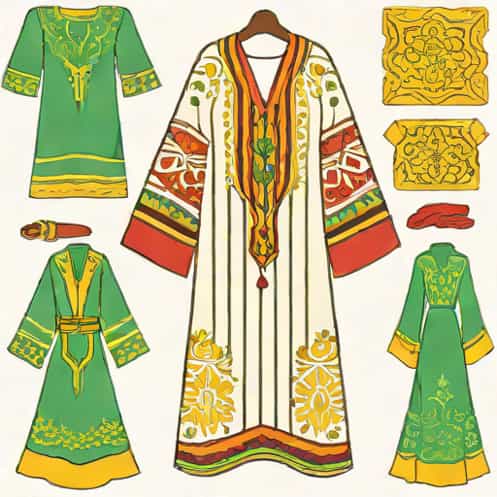
The caftan is a traditional garment that carries a rich cultural heritage and long history across North Africa and the Middle East. It is widely recognized for its elegance, flowing fabric, and intricate embroidery, often associated with royalty, weddings, and special occasions. Many people often wonder whether the caftan is Moroccan or Algerian, as both countries boast unique styles and variations. Understanding the origins, evolution, and regional differences of the caftan can shed light on this fascinating topic and highlight the influence of history, culture, and fashion trends in shaping the garment we see today.
Historical Origins of the Caftan
The caftan has roots that stretch back centuries, with influences from the Ottoman Empire, Andalusia, and other North African and Middle Eastern cultures. Originally, it was a long, robe-like garment worn by men and women of various social classes. In North Africa, it gradually evolved into a symbol of wealth and social status, particularly among women. Both Morocco and Algeria adopted the caftan, but over time, each country developed distinct styles that reflect local traditions, aesthetics, and craftsmanship.
Moroccan Caftans
Moroccan caftans are known for their luxurious fabrics, detailed embroidery, and vibrant colors. Typically, Moroccan caftans are worn during weddings, formal events, and religious holidays. They often feature a belt called a mdamma that cinches the waist and adds structure to the flowing garment. Moroccan caftans may include metallic threads, sequins, and hand-stitched patterns that represent Moroccan artistry. Cities like Fez and Marrakech are famous for their skilled artisans who create these intricate designs, making Moroccan caftans highly sought after both locally and internationally.
Algerian Caftans
Algerian caftans, sometimes referred to as karakou, share similarities with Moroccan designs but also have unique features. Algerian caftans are often paired with traditional velvet jackets, rich embroidery, and delicate lacework. The emphasis is frequently on the combination of textures and the harmony of colors rather than solely on embroidery or metallic details. Algerian bridal caftans are particularly renowned for their elegance and sophistication, often featuring layered fabrics and elaborate patterns that reflect Algerian cultural heritage.
Key Differences Between Moroccan and Algerian Caftans
While both Moroccan and Algerian caftans are elegant and ornate, certain elements distinguish them
- Fabric and TextureMoroccan caftans often use satin, silk, or brocade with heavy embroidery. Algerian caftans frequently incorporate velvet, lace, and lighter fabrics layered for a delicate effect.
- EmbroideryMoroccan embroidery is usually bold, metallic, and geometric, while Algerian embroidery tends to be subtler, floral, and intricately detailed.
- AccessoriesMoroccan caftans are often accessorized with wide belts, while Algerian caftans may include additional garments like velvet jackets or sashes.
- OccasionsBoth are worn at weddings and formal events, but the Algerian style emphasizes elegance for brides and ceremonial functions, whereas Moroccan caftans are commonly associated with both daily elegance and special occasions.
Regional Influence on Design
The design of caftans in both countries reflects local culture, history, and geography. Moroccan caftans often draw inspiration from Andalusian and Ottoman influences, which can be seen in the flowing lines, rich colors, and geometric motifs. Algerian caftans, on the other hand, reflect the diverse cultural heritage of Algeria, including Berber, Arab, and Ottoman elements, resulting in garments that often feature delicate floral embroidery, lace, and layered textures. These regional influences highlight how each country has interpreted and personalized the caftan to fit its cultural identity.
Modern Adaptations and Global Popularity
In recent years, both Moroccan and Algerian caftans have gained international attention in fashion circles. Designers experiment with contemporary fabrics, minimalist designs, and fusion styles, making the caftan a versatile and fashionable garment worldwide. Moroccan caftans are often featured in global bridal collections and fashion shows, emphasizing their bold colors and intricate craftsmanship. Algerian caftans have also gained popularity for their refined elegance and detailed embroidery, appealing to audiences seeking traditional yet sophisticated garments. The global recognition of the caftan has helped preserve its cultural significance while introducing modern innovations.
Wearing the Caftan Today
Today, both Moroccan and Algerian caftans continue to be worn at weddings, religious festivals, and cultural events. Young generations have adapted them for modern occasions, mixing traditional elements with contemporary fashion trends. Many people choose Moroccan caftans for their vibrant colors and metallic embellishments, while Algerian caftans are favored for formal elegance and subtle beauty. Both styles offer a sense of pride in heritage and a connection to the historical legacy of North African fashion.
Is the Caftan Moroccan or Algerian?
It is not entirely accurate to claim the caftan belongs exclusively to either Morocco or Algeria. Both countries have developed their own distinct interpretations of this iconic garment, with unique fabrics, embroidery, and styling that reflect local culture and tradition. Moroccan caftans are recognized for their bold, luxurious appearance and wide belts, while Algerian caftans emphasize refined elegance, lace, and layered designs. Understanding the caftan requires appreciating the shared history and cultural diversity of North Africa. The garment remains a symbol of tradition, beauty, and artistry, celebrated in both Morocco and Algeria, and continues to evolve in modern fashion while honoring its historical roots.