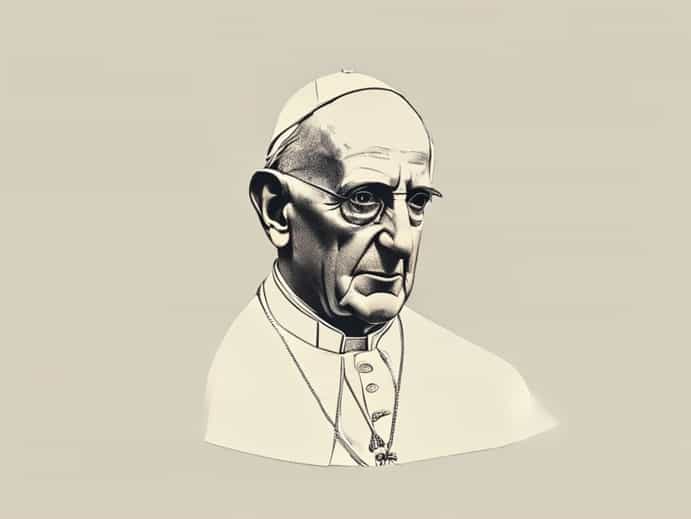
Pope John Paul II’s encyclical on work, titledLaborem Exercens, remains one of the most influential documents in Catholic social teaching. Released in 1981 to mark the 90th anniversary of Pope Leo XIII’sRerum Novarum, the encyclical focuses on the dignity of human labor and the essential role that work plays in the life of every individual and society. John Paul II emphasizes that work is not merely a means to earn a living but a fundamental expression of human creativity and participation in God’s plan. The encyclical explores moral, social, and economic dimensions of work, stressing the importance of workers’ rights, fair treatment, and the spiritual value of labor. For anyone interested in understanding the relationship between faith, human dignity, and labor, John Paul II’s reflections provide a profound and timeless guide.
The Historical Context ofLaborem Exercens
The release ofLaborem Exercensin 1981 came at a time of significant social and economic changes worldwide. Industrialization and technological advancements had transformed workplaces, while economic inequality and unemployment affected millions of workers. John Paul II, drawing from both Catholic tradition and contemporary social realities, addressed the challenges facing workers while reinforcing the Church’s commitment to social justice. The encyclical builds upon earlier social teachings, particularlyRerum NovarumandQuadragesimo Anno, by reaffirming the moral dignity of labor and advocating for a just and humane approach to work in modern society. It also responds to the growing need for ethical guidance in an increasingly complex economic environment.
Work as a Fundamental Human Activity
Central to John Paul II’s encyclical is the concept that work is a fundamental dimension of human existence. Work allows individuals to express their creativity, contribute to the common good, and participate in God’s ongoing creation. Unlike animals, humans engage in labor consciously and with purpose, which gives work a unique spiritual and personal significance. The pope argues that the value of work lies not only in its economic benefits but also in its ability to shape human character, foster relationships, and develop personal responsibility. Work, therefore, is both a right and a duty, and its ethical practice enhances the dignity of every person.
Rights and Duties of Workers
John Paul II emphasizes that the dignity of labor must be respected through fair treatment, safe working conditions, and equitable compensation. Workers have inherent rights, including the right to rest, reasonable working hours, social security, and the freedom to organize in unions. These rights are essential for maintaining human dignity and promoting justice in the workplace. At the same time, workers have responsibilities to perform their duties conscientiously and contribute positively to the community. The encyclical highlights the reciprocal relationship between employers and employees, stressing mutual respect and collaboration for the benefit of society as a whole.
The Social and Economic Dimensions of Work
Laborem Exercensalso addresses the broader social and economic context of labor. John Paul II points out that economic systems must serve human needs rather than exploit workers for profit alone. Technology and industrial growth should enhance human life, not diminish it. The encyclical warns against reducing workers to mere instruments of production, arguing that every person involved in labor should be treated with justice and respect. Economic policies, therefore, should prioritize human dignity, social welfare, and opportunities for meaningful employment, ensuring that all workers have the chance to develop their potential fully.
Work and Personal Fulfillment
Another important theme in John Paul II’s encyclical is the relationship between work and personal fulfillment. Work is not simply an obligation but a source of personal growth and satisfaction. By engaging in meaningful labor, individuals experience a sense of accomplishment, develop skills, and contribute to the well-being of others. John Paul II emphasizes that the satisfaction derived from honest work is a reflection of human dignity and a participation in God’s creative activity. This perspective encourages societies to recognize the intrinsic value of all forms of work, whether manual or intellectual, and to create conditions where people can thrive personally and professionally.
Work and Solidarity
Solidarity is a key principle inLaborem Exercens. John Paul II stresses that work should not be viewed in isolation but as part of a broader social fabric. Collaboration, mutual support, and a sense of responsibility toward others are essential components of ethical labor. Solidarity ensures that workers’ rights are respected and that the benefits of work are shared fairly across society. The pope also highlights the role of the state and institutions in promoting just labor practices, social protection, and equal opportunities for all workers. In this sense, work becomes not only a personal duty but also a communal endeavor that fosters social cohesion and justice.
Work, Technology, and Modern Challenges
John Paul II was acutely aware of the challenges posed by technological advancements and automation in the workplace. While technology can increase productivity and improve living standards, it can also lead to job displacement, exploitation, and dehumanization if not applied ethically. The encyclical urges policymakers, employers, and society at large to ensure that technological progress benefits people rather than treating them as disposable resources. Ethical considerations, human-centered policies, and the promotion of meaningful work are essential to navigate the modern economic landscape while upholding human dignity.
Spiritual and Moral Dimensions of Work
Beyond social and economic aspects,Laborem Exercensexplores the spiritual and moral significance of work. Labor is a means through which individuals participate in God’s creation and fulfill their vocation. Honest work, performed with integrity and dedication, becomes a form of personal sanctification and service to others. John Paul II encourages workers to view their labor as more than a task-it is an opportunity to live out moral values, contribute positively to society, and deepen their relationship with God. This perspective enriches the understanding of work as a holistic human activity encompassing personal, social, and spiritual dimensions.
Impact and Legacy of the Encyclical
Since its release,Laborem Exercenshas had a profound impact on Catholic social teaching, labor policies, and discussions on ethics in the workplace. The encyclical has influenced the development of programs promoting workers’ rights, fair wages, and ethical business practices worldwide. It continues to serve as a foundational document for understanding the dignity of labor, emphasizing the importance of human-centered economic systems. Educators, policymakers, and faith leaders frequently reference John Paul II’s teachings when advocating for just and equitable treatment of workers and the creation of conditions that allow human potential to flourish through meaningful work.
Practical Applications Today
Even decades after its publication, the principles ofLaborem Exercensremain relevant. Employers can implement fair labor practices, respect workers’ rights, and promote a healthy work environment. Governments can design policies that prioritize employment opportunities, social protection, and ethical economic development. Workers themselves can embrace the values of integrity, solidarity, and personal fulfillment in their daily activities. By applying these teachings, societies can create workplaces that honor human dignity and contribute to social well-being. The encyclical serves as a guide for aligning work with ethical, moral, and spiritual principles in a modern context.
John Paul II’s encyclical on work,Laborem Exercens, is a profound exploration of the dignity, moral significance, and social dimensions of labor. It emphasizes that work is a central part of human life, providing personal fulfillment, social cohesion, and spiritual growth. By advocating for workers’ rights, ethical economic practices, and solidarity, John Paul II highlights the importance of treating labor as a human-centered activity that serves the common good. The encyclical’s teachings continue to inspire and guide individuals, employers, and policymakers, ensuring that work is respected as both a right and a duty. In today’s rapidly evolving world,Laborem Exercensremains a vital reference for anyone seeking to understand the profound connection between work, human dignity, and ethical responsibility.