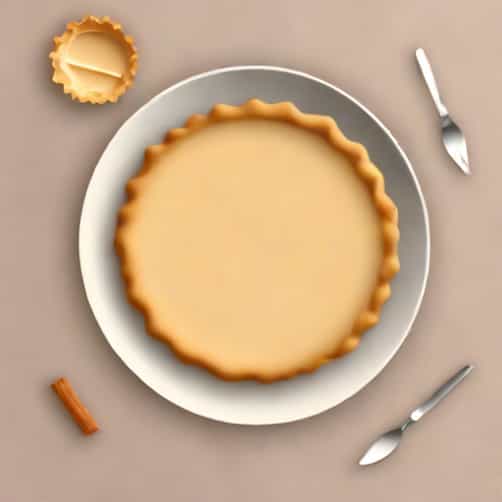
Kevin Dundon is a celebrated Irish chef known for his innovative yet approachable approach to cooking, and one of his signature techniques is mastering the perfect shortcrust pastry. Shortcrust pastry is a fundamental element in both sweet and savory dishes, serving as the base for pies, tarts, quiches, and many other creations. Dundon’s approach to shortcrust pastry emphasizes balance, precision, and quality ingredients, resulting in a pastry that is both tender and flavorful. Understanding his methods and tips can help home cooks and professionals alike elevate their baking, whether they are preparing a simple fruit tart or a complex savory pie. Exploring Kevin Dundon’s techniques offers insight into achieving the perfect shortcrust pastry consistently and successfully.
Understanding Shortcrust Pastry
Shortcrust pastry is a type of dough that is known for its crumbly, tender texture. It is made from a mixture of flour, fat, and a small amount of liquid, sometimes with added sugar or eggs depending on whether it is intended for sweet or savory dishes. The key to great shortcrust pastry lies in the ratio of fat to flour, the method of incorporating the ingredients, and careful handling to avoid overworking the dough. Dundon emphasizes that each step, from selecting ingredients to baking, contributes to the final result.
Ingredients According to Kevin Dundon
Kevin Dundon’s shortcrust pastry relies on high-quality ingredients to ensure both flavor and texture. Common components include
- FlourAll-purpose or plain flour provides structure, while some recipes may incorporate a small proportion of wholemeal flour for added texture.
- FatButter is preferred for its flavor, though lard or a combination of butter and vegetable shortening can be used to enhance flakiness.
- LiquidCold water or milk is used sparingly to bring the dough together without making it too sticky.
- Optional IngredientsA pinch of salt for flavor, sugar for sweet pastries, or an egg yolk to enrich the dough.
Techniques for Perfect Shortcrust Pastry
Dundon’s approach focuses on technique as much as ingredients. The way the dough is handled determines the tenderness and flakiness of the final product. Key techniques include
Cutting in the Fat
One of the foundational steps is cutting the fat into the flour until the mixture resembles fine breadcrumbs. Dundon emphasizes using cold butter to prevent the fat from melting prematurely, which ensures a flaky texture. The fat should be evenly distributed but still visible in small pieces, allowing the pastry to create pockets during baking.
Handling the Dough
Kevin Dundon advises minimal handling once the liquid is added. Overworking the dough can develop gluten, making the pastry tough instead of tender. The dough should be gently brought together, formed into a disc, wrapped, and chilled before rolling. Chilling helps relax the gluten and solidify the fat, both of which contribute to a light and crumbly texture when baked.
Rolling Out the Pastry
When rolling out shortcrust pastry, Dundon recommends using a lightly floured surface and rolling from the center outward to maintain an even thickness. The dough should be turned occasionally to prevent sticking and ensure uniformity. For tarts and pies, an even thickness ensures consistent baking and prevents uneven browning or soggy spots.
Baking and Blind Baking
Proper baking is essential to achieving the perfect shortcrust pastry. Dundon often uses blind baking for recipes where the pastry must be fully baked before adding a wet filling, such as custards or quiches. Blind baking involves lining the pastry with parchment paper, adding baking beans or rice to weigh it down, and baking until the base is lightly golden. This prevents shrinking and ensures a crisp bottom, creating a sturdy foundation for the filling.
Tips for Avoiding Common Issues
- ShrinkingChill the dough thoroughly and avoid stretching it in the tin.
- Tough PastryHandle the dough minimally and ensure the fat remains cold.
- Soggy BottomBlind bake when using wet fillings, and brush with a thin layer of egg wash for added barrier.
- Uneven BrowningRotate the tray during baking and ensure even thickness across the pastry.
Sweet vs. Savory Applications
Kevin Dundon’s shortcrust pastry can be adapted for both sweet and savory recipes. Sweet versions often include sugar in the dough and pair well with fruit, custard, or chocolate fillings. Savory versions omit sugar and may include herbs or cheese in the pastry for added flavor, complementing fillings such as quiche mixtures, vegetables, or meat. The versatility of shortcrust pastry allows home cooks to experiment with a wide range of dishes while relying on Dundon’s foundational techniques.
Examples of Dishes
- Classic fruit tart with almond cream filling.
- Quiche Lorraine with bacon and cheese.
- Mini pies with chicken and mushroom filling.
- Lemon tart with a crisp buttery base.
Kevin Dundon’s Philosophy on Baking
Beyond the technical aspects, Dundon emphasizes the importance of patience, attention to detail, and understanding the behavior of ingredients. He believes that baking is as much about observing and adapting as it is about following a recipe. By understanding the science behind shortcrust pastry, such as how cold butter interacts with flour or how chilling affects texture, bakers can achieve consistently excellent results and develop confidence in their skills.
Educational Tips
- Always measure ingredients accurately for consistency.
- Keep tools and surfaces clean to prevent contamination.
- Experiment with ratios to find the balance that suits personal taste.
- Take notes on each attempt to refine technique and results.
Kevin Dundon’s approach to shortcrust pastry demonstrates that great baking is a combination of quality ingredients, proper technique, and attention to detail. By following his guidance on cutting in fat, minimal handling, proper chilling, and careful baking, home cooks can create tender, flaky, and flavorful pastries suitable for a variety of sweet and savory dishes. Understanding the nuances of shortcrust pastry allows for experimentation and adaptation, enabling cooks to create both traditional and innovative recipes. Dundon’s methods serve as a valuable resource for anyone seeking to master this essential baking skill, turning a simple base pastry into the foundation for impressive culinary creations.
Ultimately, mastering Kevin Dundon’s shortcrust pastry techniques equips bakers with the confidence to explore diverse recipes and ensures consistently delicious results. Whether preparing a classic fruit tart, a savory quiche, or a creative mini pie, understanding the science and artistry behind the pastry elevates the final dish and enriches the baking experience. By following these principles, bakers can achieve professional-quality shortcrust pastry in their own kitchens, embodying the balance of simplicity and excellence that characterizes Kevin Dundon’s approach to cooking and baking.