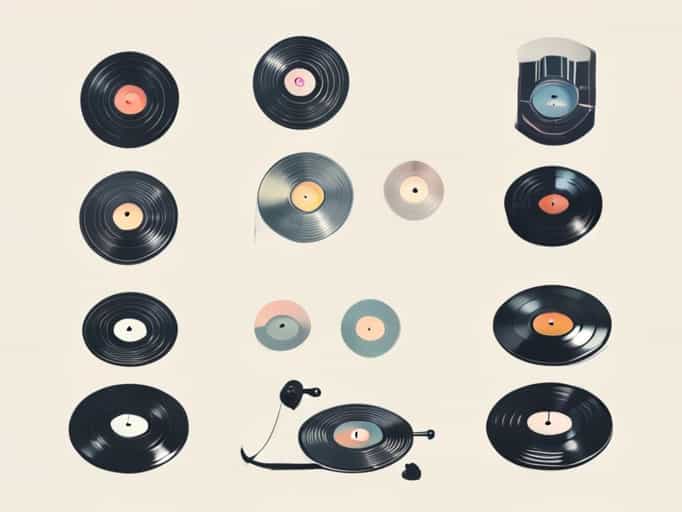
The world of phonograph records holds a timeless charm that continues to captivate music lovers, collectors, and historians alike. Despite the rise of digital music, vinyl records maintain a unique appeal through their tactile experience, warm analog sound, and historical significance. Preserving and accessing this wealth of musical history often requires dedicated libraries that focus specifically on phonograph records. These specialized libraries serve as cultural hubs, ensuring that rare recordings, classic albums, and historical audio artifacts remain available for research, listening, and enjoyment. From public institutions to private collections, the importance of a library for phonograph records extends beyond music preservation it becomes a portal to the past, an educational resource, and a community space for enthusiasts of all ages.
Understanding Phonograph Record Libraries
A library for phonograph records is more than just a storage facility; it is a curated collection that emphasizes preservation, accessibility, and cataloging. These libraries house a wide range of records, from early 20th-century shellac discs to modern vinyl LPs, each representing unique historical and cultural moments. Libraries specializing in phonograph records often adopt meticulous cataloging systems, detailing the artist, recording date, genre, and pressing information to help users locate and study specific items.
Purpose and Importance
Maintaining a library for phonograph records serves multiple purposes. First, it preserves the physical integrity of records, protecting them from environmental damage such as warping, scratches, and mold. Second, it ensures accessibility for researchers, music historians, students, and the general public. Finally, such libraries contribute to cultural heritage, keeping the music and its history alive for future generations. Without these institutions, countless rare recordings and forgotten artists could be lost to time.
Key Components of a Phonograph Record Library
- CollectionA well-rounded library includes a diverse range of records, spanning genres like jazz, classical, rock, folk, and experimental music. It may also contain promotional copies, limited editions, and region-specific releases.
- Cataloging SystemA detailed indexing system helps users navigate the collection. This can include digital databases or traditional card catalogs, often with metadata such as artist, year, label, and catalog number.
- Preservation EquipmentClimate-controlled storage, anti-static sleeves, and specialized shelving protect records from damage and deterioration.
- Listening StationsLibraries often provide phonographs or turntables where visitors can play records, enabling a hands-on experience while maintaining record integrity.
- Reference MaterialsAlongside the records, libraries may offer books, magazines, and research papers related to recording history, artists, and music theory.
Preservation Techniques
Preserving phonograph records requires careful attention to environmental factors and handling procedures. Ideal storage conditions include moderate temperatures, low humidity, and minimal exposure to light. Records should be stored vertically to avoid warping, and protective sleeves should be used to prevent dust accumulation. Libraries may also employ specialized cleaning equipment to remove dirt and static, extending the lifespan of fragile or valuable records.
Digital Archiving
While the tactile experience of a vinyl record cannot be replaced, digital archiving complements preservation efforts. Libraries may digitize rare or deteriorating records, creating high-quality audio files that can be shared for research or educational purposes. This dual approach allows for both physical enjoyment of vinyl and practical access to its contents without risking damage to original copies.
Access and Community Engagement
Phonograph record libraries are not just repositories they are vibrant community spaces. Many libraries host listening sessions, educational workshops, and exhibitions that highlight specific genres, artists, or historical periods. By encouraging public engagement, these libraries foster appreciation for vinyl records, music history, and sound engineering. Community outreach programs may also include collaborations with schools, universities, and music societies to inspire the next generation of collectors and historians.
Research and Education
For scholars and students, a phonograph record library is an invaluable resource. Researchers can study the evolution of musical styles, production techniques, and recording technologies. Educational programs can explore topics such as the social impact of music, the history of sound recording, and the artistic contributions of underrepresented musicians. Libraries often provide guided tours, curated collections, and thematic exhibitions to enhance learning experiences.
Challenges Faced by Phonograph Record Libraries
Despite their cultural importance, phonograph record libraries face unique challenges. Physical space is a significant concern, as large collections require careful organization and storage. Funding can also be limited, impacting the ability to acquire rare records, maintain climate-controlled environments, and hire specialized staff. Additionally, preserving records in playable condition demands constant attention, as older formats like shellac discs are particularly fragile.
Adapting to Modern Needs
To remain relevant, phonograph record libraries often embrace technology. Online catalogs, digital listening platforms, and virtual exhibitions allow broader access to collections. Libraries may also integrate vinyl education into music technology courses, bridging the gap between analog and digital worlds. By combining traditional preservation methods with modern outreach, these libraries ensure that phonograph records remain accessible and appreciated in a contemporary context.
Notable Examples of Phonograph Record Libraries
Several institutions around the world have established prominent phonograph record collections. National libraries, university archives, and specialized music libraries often house extensive vinyl collections, including rare and historically significant recordings. Some libraries are also dedicated entirely to vinyl, offering public access, listening sessions, and educational programs to engage music enthusiasts. These examples highlight the global recognition of phonograph records as an essential part of cultural heritage.
Private Collections and Enthusiast Libraries
In addition to public institutions, private collectors and enthusiast-run libraries play a crucial role in preserving vinyl records. These collections often include niche genres, local music scenes, and rare pressings that may not be found in public libraries. Enthusiast libraries often collaborate with public institutions, sharing expertise, conducting research, and organizing community events that celebrate the art of vinyl.
Libraries for phonograph records serve as guardians of musical history, bridging the gap between past and present while offering an immersive experience for listeners, researchers, and collectors. Through careful preservation, cataloging, and community engagement, these libraries ensure that vinyl records remain a living part of cultural heritage. They provide opportunities to explore music in its physical form, study the evolution of sound, and connect with fellow enthusiasts. In a digital age, phonograph record libraries remind us that the tactile beauty and sonic richness of vinyl continue to hold enduring value, offering a unique window into the past and a shared space for future generations to explore, learn, and enjoy.
Total words ~1,015