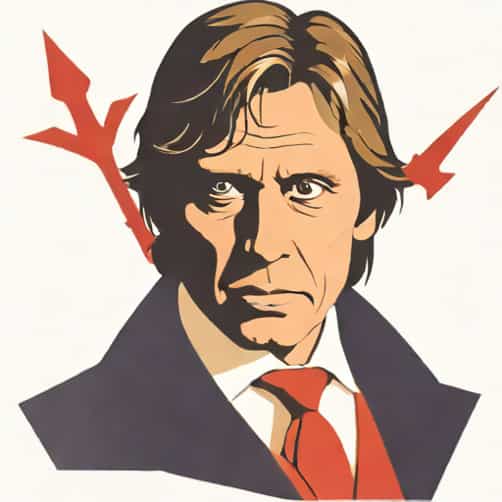
Roman Polanski’s 1967 film, The Fearless Vampire Killers, also known as Dance of the Vampires, stands as a distinctive entry in the vampire genre. Departing from traditional horror narratives, Polanski infused the film with a unique blend of comedy and horror, creating a piece that both parodies and pays homage to classic vampire tales. The film’s approach to the genre, combined with its memorable performances and atmospheric setting, has garnered it a place in cinematic history.
Plot Overview
Set in a remote Transylvanian village during the 19th century, the story follows Professor Abronsius (Jack MacGowran), a seasoned vampire hunter, and his bumbling assistant, Alfred (Roman Polanski). Their journey leads them to an eerie inn where they discover signs of vampiric activity. The innkeeper’s daughter, Sarah (Sharon Tate), is abducted by the enigmatic Count von Krolock (Ferdy Mayne), prompting Alfred and the professor to embark on a mission to rescue her from the clutches of the undead.
Character Dynamics
The film’s charm lies in its character dynamics. Professor Abronsius, with his scholarly demeanor and eccentricities, contrasts sharply with Alfred’s youthful enthusiasm and clumsiness. This juxtaposition not only provides comedic relief but also highlights the film’s satirical take on the vampire hunter archetype. Sharon Tate’s portrayal of Sarah adds depth to the narrative, offering a mix of vulnerability and allure that complements the film’s gothic atmosphere.
Roman Polanski’s Dual Role
In addition to directing, Polanski took on the role of Alfred, the assistant. His performance adds a layer of authenticity to the film, as he brings his own sensibilities to the character. Polanski’s involvement in both the creative and acting aspects of the film underscores his commitment to delivering a unique cinematic experience.
Visual and Atmospheric Elements
The film’s cinematography, led by Douglas Slocombe, captures the haunting beauty of the Transylvanian landscape. The snow-covered settings and the imposing castle of Count von Krolock contribute to the film’s eerie ambiance. The use of lighting and shadows enhances the gothic tone, creating a visual narrative that complements the story’s themes.
Musical Score
Krzysztof Komeda’s musical score plays a pivotal role in establishing the film’s mood. The music oscillates between whimsical and suspenseful, mirroring the film’s blend of comedy and horror. The score’s versatility underscores the narrative’s shifts, guiding the audience through moments of levity and tension.
Legacy and Influence
Upon its release, The Fearless Vampire Killers received mixed reviews but has since gained a cult following. Its innovative approach to the vampire genre has influenced subsequent films that seek to blend horror with humor. The film’s legacy is evident in its continued appreciation by cinephiles and its adaptation into a musical, Dance of the Vampires, which further attests to its lasting impact on popular culture.
Critical Reception
Over time, critics have reassessed the film, recognizing its unique contribution to the genre. The film’s ability to balance satire with genuine horror elements showcases Polanski’s directorial prowess and his understanding of cinematic conventions.
Roman Polanski’s The Fearless Vampire Killers remains a testament to the director’s versatility and creativity. By blending comedy with horror, Polanski crafted a film that both parodies and celebrates the vampire genre. Its memorable characters, atmospheric settings, and innovative storytelling ensure its place in the annals of classic cinema.