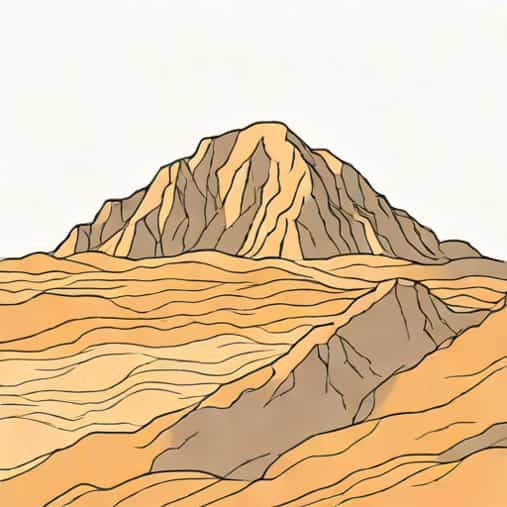
A cornice on a mountain is a dramatic and potentially dangerous feature formed by wind and snow at the edge of a ridge or cliff. These overhanging ledges of snow develop when strong winds blow snow over the edge of a mountain, creating a mass that extends beyond the solid ground beneath it. Cornices are common in high-altitude environments, particularly in alpine regions where snowfall is heavy and winds are persistent. Understanding what a cornice is, how it forms, and the risks associated with it is crucial for mountaineers, hikers, and winter sports enthusiasts who explore mountainous terrain. Awareness of cornices can prevent accidents and help adventurers navigate safely in the backcountry.
Formation of a Mountain Cornice
Cornices form through a combination of wind, snow accumulation, and topography. When snow is blown across a ridge or cliff, it accumulates on the leeward side, gradually creating an overhanging ledge. The shape and size of a cornice depend on factors such as wind speed and direction, snowfall volume, temperature, and the shape of the mountain ridge. Over time, the cornice grows outward, often becoming unstable and prone to breaking off. Cornices can vary in size from small ledges to massive structures that extend several meters beyond the ridge.
Key Factors Influencing Cornice Formation
- Wind DirectionCornices form on the leeward side of ridges, where snow is deposited by prevailing winds.
- SnowfallHeavy and consistent snowfall contributes to the buildup of cornices.
- TemperatureFreeze-thaw cycles can affect the stability and density of the snow, impacting the formation of cornices.
- Mountain TopographySteep ridges and sharp cliff edges provide the conditions necessary for cornices to overhang.
Characteristics of Mountain Cornices
Mountain cornices are visually striking features, often appearing as dramatic, wave-like overhangs along ridgelines. They can range from smooth, rounded shapes to jagged, sculpted forms depending on wind patterns and snow conditions. Despite their beauty, cornices are highly unstable and can be extremely dangerous. Their overhanging nature means that the snow is not supported by solid ground underneath, and even small disturbances can trigger collapse.
Appearance and Size
Cornices often appear as a sharp edge protruding beyond the mountain ridge, creating a visually impressive but deceptive structure. Some cornices are only a few feet long, while others can extend for tens of meters. Their size and shape are constantly changing due to wind, temperature, and additional snowfall. Large cornices can accumulate significant weight, making them particularly hazardous to anyone traversing near the ridge.
Snow Consistency
The snow that makes up a cornice can vary in density and stability. Freshly fallen snow tends to be lighter and less stable, while older, compacted snow can hold more weight but may also develop cracks. Temperature fluctuations can create weak layers within the cornice, increasing the risk of collapse. Understanding the snow conditions is essential for assessing the safety of a cornice.
Risks Associated with Cornices
Cornices are one of the most significant hazards in mountainous areas, particularly for backcountry skiers, climbers, and mountaineers. The overhanging snow can break off unexpectedly, causing falls, avalanches, or injuries. Recognizing the risks and taking precautions is crucial for safety.
Cornice Collapse
Cornices can collapse without warning. Even a slight disturbance, such as a person walking too close to the edge, can trigger a break. When a cornice collapses, it can send the snow crashing down the slope, creating dangerous conditions for anyone below. The force and volume of falling snow can lead to serious injuries or fatalities.
Avalanche Risk
Cornice collapse often triggers avalanches. The sudden release of overhanging snow can destabilize the slope below, causing large amounts of snow to slide downhill. Cornices therefore pose a dual hazard the immediate risk of falling for anyone on or near the edge and the secondary risk of avalanches for people further down the mountain.
Hidden Dangers
Cornices can be difficult to identify, especially in poor visibility or during whiteout conditions. Snow may cover weak points along the ridge, creating the illusion of solid ground. Hikers or climbers who are unaware may step onto a cornice unknowingly, putting themselves in extreme danger. Understanding the terrain and using caution near ridge edges is critical in mountain environments.
Safety Tips for Navigating Near Cornices
Awareness and preparation are key when dealing with cornices in the mountains. There are several strategies to minimize risk
Maintain a Safe Distance
When traversing ridgelines or snowy edges, always maintain a safe distance from potential cornices. Staying several meters back from the edge ensures that weight is not applied to unstable overhangs and reduces the risk of collapse.
Observe the Terrain
Carefully observe the shape of the ridge and look for signs of overhanging snow. Sharp edges, cracks, or unusual overhangs are indicators of a cornice. Avoid walking on snow that extends beyond the visible ridge, as it may be unsupported.
Check Weather and Snow Conditions
Before venturing into mountainous areas, review weather forecasts, recent snowfall reports, and avalanche advisories. Windy conditions and heavy snowfall increase cornice formation and instability, making it essential to assess the risk before heading into high-altitude terrain.
Use Navigation Tools
Maps, GPS devices, and altimeters can help identify ridge lines and cornice-prone areas. Experienced mountaineers use these tools in combination with visual cues to navigate safely and avoid potential hazards.
A cornice on a mountain is an overhanging edge of snow formed by wind and accumulation along ridges or cliffs. While visually stunning, cornices are inherently unstable and pose serious risks such as collapse, falls, and avalanches. Understanding how cornices form, recognizing their appearance, and maintaining a safe distance are crucial for anyone venturing into mountainous or alpine regions. Proper preparation, awareness of snow conditions, and careful navigation can significantly reduce the dangers associated with cornices. For mountaineers, skiers, and hikers, respecting these natural formations is not only a matter of safety but also a key component of responsible mountain travel. Awareness of cornices ensures a safer and more enjoyable experience while exploring the beauty of high-altitude landscapes.