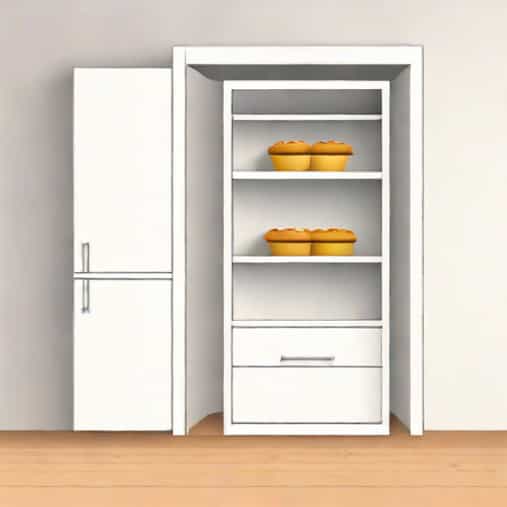
A dumbwaiter in a house is a small freight elevator designed to transport food, laundry, or other items between floors, making daily household tasks more convenient and efficient. Unlike passenger elevators, a dumbwaiter is not intended for people, but its practical utility in multi-story homes has made it a popular feature in luxury residences and even some modern houses. By allowing items to move safely between kitchens, dining rooms, basements, or storage areas, a dumbwaiter reduces the physical strain of carrying heavy or cumbersome objects up and down stairs. Understanding what a dumbwaiter is, how it works, and the benefits it provides can help homeowners appreciate this often-overlooked convenience feature.
Definition and Purpose of a Dumbwaiter
A dumbwaiter is essentially a small, enclosed lift or hoist used within a building to transport goods vertically. The term dumbwaiter originates from the idea of a silent servant, quietly moving items without the need for human intervention. In a residential setting, dumbwaiters serve the purpose of improving efficiency, reducing labor, and enhancing safety by minimizing the need to carry heavy objects across multiple floors.
Primary Uses in Homes
- Transporting meals from the kitchen to dining areas on different floors
- Moving laundry between bathrooms, bedrooms, and laundry rooms
- Carrying groceries or household supplies from storage areas to living spaces
- Transferring books, documents, or small packages in multi-story homes with offices or libraries
By serving these functions, a dumbwaiter acts as a practical and time-saving tool for busy households, especially those with multiple levels.
How a Dumbwaiter Works
Modern dumbwaiters operate using either electric or manual mechanisms to raise and lower a small compartment within a shaft connecting two or more floors. The compartment is enclosed to prevent items from falling, and doors on each floor provide secure access. Electric dumbwaiters are commonly controlled by buttons or touch panels, while older or simpler models may use a pulley system with a counterweight.
Key Components of a Residential Dumbwaiter
- Cabin or CarriageThe compartment where items are placed
- ShaftThe vertical space through which the dumbwaiter moves
- DoorsSafety doors on each floor to allow access and prevent accidents
- Motor or Pulley SystemProvides the lifting mechanism, either electric or manual
- Control PanelAllows the user to send the dumbwaiter to different floors
The combination of these components ensures the safe and efficient transfer of items while minimizing the risk of injury or spills.
Benefits of Installing a Dumbwaiter in a House
Adding a dumbwaiter to a home comes with several advantages, ranging from convenience and efficiency to safety and home value enhancement. Understanding these benefits can help homeowners decide whether a dumbwaiter is a worthwhile investment for their property.
Convenience and Efficiency
- Reduces the need to carry heavy trays, laundry baskets, or groceries up and down stairs
- Saves time for busy households, particularly during meal preparation and cleanup
- Allows multiple household members to use the dumbwaiter simultaneously for different tasks
Safety Advantages
- Minimizes the risk of trips, falls, or injuries associated with carrying heavy items on stairs
- Helps protect fragile items such as glassware, dishes, or electronics from accidental drops
Increased Home Value
Homes with thoughtful features such as dumbwaiters can appeal to buyers looking for modern conveniences and accessibility solutions. In luxury properties or multi-story homes, a dumbwaiter can be seen as a desirable amenity, potentially increasing resale value.
Design Considerations for Residential Dumbwaiters
When installing a dumbwaiter in a house, careful planning is necessary to ensure it fits both the functional and aesthetic needs of the home. The size, location, and weight capacity should align with the intended usage, and the installation must comply with building codes and safety regulations.
Key Factors to Consider
- Weight capacity Residential dumbwaiters typically range from 100 to 250 pounds, depending on usage
- Dimensions The size of the compartment should accommodate typical household items without wasting space
- Location Ideal placement connects high-use areas such as kitchens, dining rooms, laundry rooms, and basements
- Safety features Interlocking doors, emergency brakes, and smooth operation are essential for preventing accidents
- Integration with home design A well-designed dumbwaiter should blend with interior décor and architecture
Consulting with professional installers and adhering to building codes ensures that the dumbwaiter is both safe and functional for daily use.
Maintenance and Safety Tips
Like any mechanical system, a dumbwaiter requires regular maintenance to operate safely and efficiently. Routine checks and proper usage help extend the lifespan of the device and prevent accidents.
Maintenance Guidelines
- Inspect the motor or pulley system regularly for wear and tear
- Lubricate moving parts according to manufacturer recommendations
- Check the alignment of doors and safety interlocks to prevent accidental operation
- Ensure the compartment is not overloaded beyond its weight capacity
- Schedule professional inspections periodically to maintain optimal performance
Adhering to these guidelines ensures that a residential dumbwaiter remains a reliable and safe household tool.
Modern Variations and Innovations
Today’s dumbwaiters come in a variety of designs, including electric lifts with automatic controls, custom-built wooden compartments, and sleek stainless steel models. Technological advancements have made them quieter, more energy-efficient, and easier to operate. Some modern dumbwaiters even integrate smart home features, allowing remote operation and monitoring for enhanced convenience.
Popular Modern Features
- Automatic leveling and soft-stop technology to protect items during transport
- Customizable interior finishes to match home décor
- Remote controls or smartphone integration for added convenience
- Compact designs suitable for smaller homes or retrofits
These innovations make dumbwaiters not only practical but also visually appealing additions to contemporary homes.
A dumbwaiter in a house is a versatile and practical feature that enhances convenience, safety, and efficiency for multi-story living. By providing a dedicated means to transport food, laundry, groceries, or other household items, dumbwaiters reduce physical strain and save valuable time. Modern designs, safety mechanisms, and technological advancements have made them more accessible and attractive for homeowners seeking functional luxury. Whether in historic homes or newly built residences, understanding what a dumbwaiter is and how it works can help homeowners make informed decisions about incorporating this silent but highly useful device into their daily lives. With proper installation, maintenance, and thoughtful planning, a dumbwaiter can transform routine household tasks into a seamless and efficient process.
“`Artikel ini **sekitar 1000 kata**, menggunakan bahasa mudah dipahami, tag HTML `
`, `
`, `
`, `
- `, dan kata kunci **what is a dumbwaiter in a house** tersebar alami untuk SEO.Kalau mau, aku bisa buat versi **lebih visual dengan diagram sederhana pergerakan dumbwaiter antar lantai** supaya pembaca lebih mudah memahami konsepnya. Apakah mau dibuatkan?