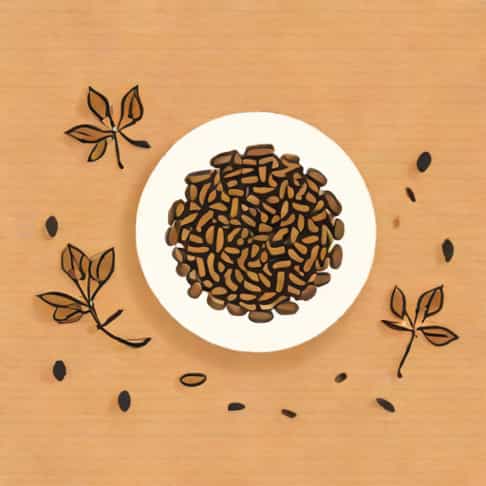
Carom seeds, known as ajwain in many parts of the world, are small, aromatic seeds widely used in cooking and traditional medicine. In English, carom seeds are commonly referred to as carom seeds or sometimes as bishop’s weed. These seeds are known for their distinctive pungent taste, similar to thyme, and are popular in Indian, Middle Eastern, and North African cuisines. Beyond their culinary use, carom seeds are valued for their health benefits, including aiding digestion, reducing bloating, and supporting respiratory health. Understanding what carom seeds are in English, their culinary applications, and their health benefits can help individuals incorporate them into daily life more effectively.
Botanical Background of Carom Seeds
Carom seeds come from the plant Trachyspermum ammi, a member of the Apiaceae family, which also includes cumin, dill, and parsley. The plant produces small, oval seeds that are greenish-brown in color and have a slightly ridged texture. Carom seeds are primarily cultivated in India, Iran, and parts of the Middle East. They are harvested when the seed pods mature and dry, after which the seeds are separated and stored for culinary and medicinal use. Their aromatic quality comes from essential oils, mainly thymol, which contributes to their distinctive flavor and therapeutic properties.
Physical Characteristics
- Small and oval-shaped, roughly 2-3 mm long
- Greenish-brown color with longitudinal ridges
- Strong, pungent aroma due to high thymol content
- Bitter and slightly peppery taste
The strong flavor of carom seeds makes them ideal for seasoning dishes and enhancing the aroma of foods, especially in Indian and Middle Eastern cooking.
Culinary Uses of Carom Seeds
In English-speaking countries, carom seeds are increasingly recognized as a flavorful spice used in a variety of dishes. They are often added to breads, snacks, curries, and pickles for their distinct aroma and digestive properties. In Indian cuisine, carom seeds are a common ingredient in parathas, pakoras, and lentil dishes. They are also sprinkled on flatbreads like naan or used in spice blends to enhance the taste and aid digestion. Roasting the seeds lightly before adding them to dishes can intensify their flavor.
Common Dishes Featuring Carom Seeds
- Parathas and flatbreadsCarom seeds are often kneaded into dough for a subtle, aromatic flavor.
- SnacksPopular in pakoras, samosas, and biscuits for taste and digestive benefits.
- Curries and lentilsAdds a distinct flavor and aroma to vegetable and legume-based dishes.
- Pickles and chutneysUsed to enhance flavor and preservation properties.
Health Benefits of Carom Seeds
Carom seeds are not only valued for their culinary uses but also for their medicinal properties. They have been used in traditional medicine for centuries, particularly in Ayurveda and Unani medicine, for their digestive, anti-inflammatory, and antimicrobial properties. The primary active compound, thymol, is responsible for many of their health benefits.
Digestive Health
Carom seeds are known to improve digestion and relieve common digestive issues such as bloating, gas, and indigestion. Chewing a small amount of seeds after meals can stimulate digestive enzymes and support gastrointestinal health. They are often used in herbal teas or remedies for stomach discomfort.
Respiratory and Immunity Support
Carom seeds have expectorant and antimicrobial properties, making them beneficial for respiratory health. They can help alleviate symptoms of asthma, bronchitis, and congestion. Additionally, the antioxidants in carom seeds support overall immune function, helping the body fight infections and inflammation.
Other Health Benefits
- Anti-inflammatory properties that can reduce joint pain
- Antimicrobial effects that help combat bacteria and fungi
- Relief from menstrual discomfort and cramps
- Potential benefits for oral health, reducing bad breath and oral infections
How to Use Carom Seeds Safely
While carom seeds are generally safe for most people, they should be used in moderation due to their strong flavor and potent medicinal properties. Excessive consumption may lead to digestive discomfort or irritation. Carom seeds can be incorporated into the diet in small amounts, either as whole seeds, powdered, or as an infusion in herbal teas. Pregnant or breastfeeding women should consult a healthcare professional before using carom seeds for medicinal purposes.
Tips for Cooking with Carom Seeds
- Lightly roast the seeds to enhance their aroma and flavor.
- Add seeds at the beginning of cooking to release essential oils.
- Combine with other spices like cumin, coriander, and fennel for a balanced taste.
- Use in small quantities to avoid overpowering the dish.
Global Names and Variations
Carom seeds are known by different names around the world. In English, they are often referred to as carom seeds or bishop’s weed. In India, they are called ajwain, while in Middle Eastern countries, they may be known as omam or ajwain seeds. Despite the variety of names, their uses and properties remain consistent, making them a versatile spice across multiple cuisines and cultures.
Substitutes for Carom Seeds
For those who cannot find carom seeds, thyme or a combination of cumin and oregano may serve as a substitute in recipes. While the flavor is not identical, these alternatives can mimic the aromatic and slightly bitter profile of carom seeds in cooking.
Carom seeds, or ajwain, are small yet powerful seeds known for their distinctive taste, aromatic properties, and numerous health benefits. In English, they are commonly referred to as carom seeds or bishop’s weed. Used extensively in Indian, Middle Eastern, and North African cuisines, they enhance the flavor of breads, curries, and snacks while supporting digestive and respiratory health. By understanding what carom seeds are, how to use them in cooking, and their medicinal benefits, individuals can incorporate this versatile spice into their daily lives for both flavor and wellness. Whether added to a paratha, a herbal tea, or a pickle, carom seeds continue to be a valuable and widely appreciated ingredient across cultures.