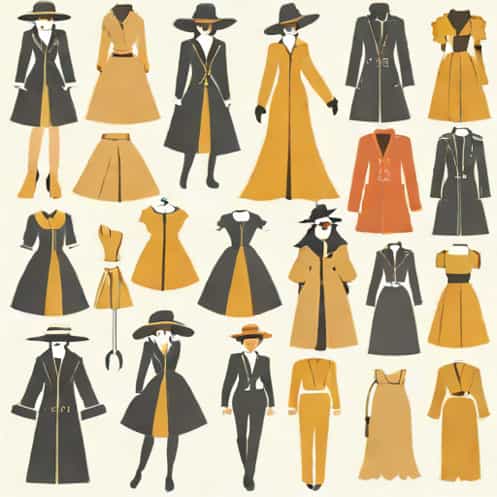
Fashion has always been more than clothing. It reflects power, identity, technology, culture, and social change. When people talk aboutfashion the definitive history of costume and style, they are really talking about humanity’s long relationship with self-expression through dress. From ancient civilizations to modern runways, fashion tells stories about who we are, what we value, and how societies evolve. Understanding the history of costume and style helps readers see fashion not as a fleeting trend, but as a living record of human creativity and adaptation.
The Origins of Fashion and Early Costume
The earliest forms of clothing were shaped by survival needs such as protection from weather and environment. However, even in ancient times, costume quickly became symbolic. Materials, colors, and shapes communicated status, profession, and cultural identity.
Ancient Civilizations and Symbolism
In ancient Egypt, linen garments reflected climate and social hierarchy. Pharaohs and nobles wore finely pleated fabrics, gold accessories, and elaborate headdresses. In Mesopotamia, draped wool garments showed rank and wealth. Ancient Greece introduced flowing silhouettes like the chiton and himation, emphasizing proportion and harmony.
- Clothing indicated social status and power
- Natural dyes and handwoven fabrics dominated
- Jewelry and accessories carried religious meaning
These early costumes laid the foundation for fashion as a form of communication.
Medieval Fashion and Social Order
During the Middle Ages, fashion became closely tied to class systems and religious influence. Clothing rules were often enforced by law, determining who could wear certain colors or fabrics.
Function Meets Symbolism
Medieval garments were practical yet symbolic. Wool and linen were common for the working class, while silk and velvet were reserved for nobility. Long robes, layered tunics, and fitted bodices reflected both modesty and authority.
- Sumptuary laws controlled appearance
- Religious values shaped modest silhouettes
- Tailoring slowly became more refined
This period shows how fashion reinforced social boundaries while gradually evolving in craftsmanship.
Renaissance and the Rise of Personal Style
The Renaissance marked a turning point in the history of costume and style. Art, science, and exploration influenced how people dressed, leading to more elaborate and expressive fashion.
Innovation and Individual Expression
Rich fabrics, embroidery, and structured garments became symbols of wealth and cultural sophistication. Corsets, doublets, and voluminous skirts appeared, especially in European courts.
- Fashion reflected artistic movements
- Clothing became more tailored and decorative
- Color and texture gained importance
This era emphasized fashion as a statement of individuality and cultural achievement.
Fashion in the Age of Revolution
The 18th and 19th centuries brought dramatic social and political change. Fashion responded quickly, shifting away from excessive ornamentation toward practicality and symbolism.
From Aristocracy to the Everyday Citizen
The French Revolution rejected aristocratic excess, promoting simpler styles. In the 19th century, the Industrial Revolution transformed fashion production, making clothing more accessible.
- Mass production changed fashion availability
- Men’s fashion became more restrained
- Women’s fashion balanced structure and decoration
This period highlights how fashion mirrors political values and economic shifts.
The Birth of Modern Fashion
The late 19th and early 20th centuries marked the birth of modern fashion as we know it. Designers began to gain recognition, and fashion houses emerged.
Designers and Fashion Systems
Haute couture in Paris set standards for luxury and innovation. At the same time, ready-to-wear clothing expanded fashion’s reach.
- Fashion designers became cultural figures
- Seasonal collections defined trends
- Fashion magazines influenced public taste
This era established fashion as both an art form and an industry.
20th Century Style and Cultural Shifts
The 20th century brought rapid change, with fashion reflecting war, freedom, youth culture, and technology.
Fashion as Identity and Protest
From flapper dresses of the 1920s to the rebellious styles of the 1960s and 1970s, clothing became a powerful tool for self-expression.
- Women’s fashion reflected changing roles
- Youth culture challenged tradition
- Global influences shaped new styles
Fashion during this time was closely linked to music, politics, and social movements.
Globalization and Contemporary Fashion
In the late 20th and early 21st centuries, fashion became global. Trends move quickly across borders, influenced by media, technology, and cultural exchange.
Diversity and Sustainability
Modern fashion increasingly values diversity, ethical production, and sustainability. Traditional costume influences appear alongside futuristic designs.
- Fast fashion changed consumer habits
- Heritage styles inspire modern designers
- Sustainability shapes future fashion
This stage of fashion history reflects both opportunity and responsibility.
Why the History of Costume and Style Matters
Studying fashion the definitive history of costume and style helps readers understand that clothing is never neutral. Every garment carries meaning shaped by time, place, and people.
Fashion history connects art, economics, politics, and personal identity. It shows how societies adapt, rebel, and dream. By looking at the past, we gain insight into present trends and future possibilities.
Fashion’s story is deeply human. From ancient robes to contemporary streetwear, the history of costume and style reveals how people express belonging, power, creativity, and change. Fashion is not just about what we wear, but about how we live and how we see ourselves. Understanding its definitive history allows us to appreciate fashion as a cultural language that continues to evolve with every generation.