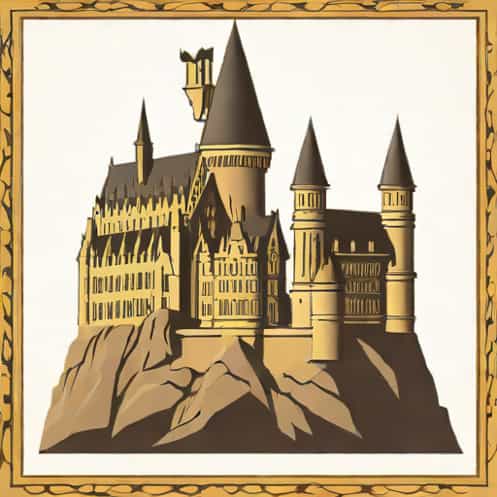
Hogwarts School of Witchcraft and Wizardry is one of the most iconic fictional institutions in literature, known for its magical education and the many famous witches and wizards who have passed through its doors. Admission to Hogwarts is an eagerly anticipated event for young witches and wizards around the world. While the school is fictional, the concept of Hogwarts admission has captured the imagination of readers, inspiring curiosity about how magical education works, what requirements are needed, and what life at Hogwarts entails. Understanding the admission process reveals the structure, traditions, and values that define this legendary school.
Eligibility for Admission
Admission to Hogwarts is generally limited to children who demonstrate magical ability. Typically, children who have reached the age of eleven receive a letter inviting them to attend the school. The Hogwarts acceptance letter serves as official recognition of a young witch or wizard’s magical potential and eligibility to enroll. This letter is usually delivered by owl post, regardless of the child’s geographic location, highlighting the magical nature of communication within the wizarding world.
Age Requirements
Hogwarts accepts students starting at age eleven. This age corresponds with the level of maturity and magical ability necessary to begin formal magical education. Students continue at Hogwarts for seven years, completing their education and taking their Ordinary Wizarding Level (O.W.L.) and Nastily Exhausting Wizarding Level (N.E.W.T.) examinations in preparation for adult magical life. The age requirement ensures that students have sufficient cognitive and magical development to handle complex spells, potions, and other aspects of magical study.
Magical Ability
Admission to Hogwarts requires the demonstration of innate magical talent. Young witches and wizards may exhibit magical ability before receiving formal training, such as accidental spells or unusual occurrences around them. Hogwarts staff, particularly members of the magical community, track potential students to ensure that no magical child is overlooked. Muggle-born children, who come from non-magical families, are also eligible for admission, provided they display magical ability.
The Admission Process
The Hogwarts admission process is unique compared to ordinary schools due to its magical nature. Once a child is identified as having magical potential, a formal invitation is sent, providing detailed instructions for enrollment. These instructions typically include information about required supplies, arrival dates, and important traditions that students must follow.
Hogwarts Acceptance Letter
The Hogwarts acceptance letter is the first official step in the admission process. It is often delivered in an extraordinary manner, such as by owl, which symbolizes the magical world’s connection to its students. The letter contains essential details about what students need to bring to Hogwarts, including their robes, wand, textbooks, and other magical equipment. The letter also communicates a sense of excitement and anticipation, marking the beginning of a student’s journey into the magical world.
Required Supplies
New students at Hogwarts must prepare a range of magical supplies, which are outlined in the acceptance letter. These supplies are typically purchased in Diagon Alley, a magical shopping district. Key items include
- Wand Personalized to the student, essential for spellcasting.
- Hogwarts robes School uniform for daily classes and formal events.
- Textbooks and magical materials Required for subjects like Potions, Charms, and Transfiguration.
- Cauldron and other potion-making tools Necessary for laboratory classes.
- Magical creatures and other specialized equipment Depending on the student’s chosen electives.
Proper preparation of these supplies ensures that students are ready to fully participate in all aspects of Hogwarts life from day one.
Sorting and House Placement
One of the most iconic aspects of Hogwarts admission is the Sorting Ceremony. This event takes place upon the student’s first arrival at the castle, usually on the Hogwarts Express and in the Great Hall. During the ceremony, the Sorting Hat determines which of the four Hogwarts houses each student belongs to. The house placement influences a student’s social interactions, responsibilities, and even certain aspects of their curriculum.
The Four Hogwarts Houses
- Gryffindor Known for bravery, courage, and determination.
- Hufflepuff Emphasizes loyalty, patience, and hard work.
- Ravenclaw Values intelligence, creativity, and learning.
- Slytherin Focuses on ambition, resourcefulness, and cunning.
The Sorting Hat assesses a student’s personality traits, values, and potential to make the best match. While students can express preferences, the hat’s magical insight ultimately determines the most suitable house, providing both guidance and identity within the Hogwarts community.
Magical Education and Curriculum
Once admitted, students engage in a structured curriculum designed to cultivate their magical abilities. Hogwarts education balances practical spellcasting, academic study, and ethical development. Students study core subjects for their first five years and may select electives in their later years, tailoring their education to their interests and future magical careers.
Core Subjects
- Transfiguration Transforming objects and creatures into other forms.
- Charms Learning to enchant objects and perform magical effects.
- Potions Brewing magical mixtures with precise effects.
- Defense Against the Dark Arts Preparing students to protect themselves against dark magic.
- Herbology Studying magical plants and their uses.
- History of Magic Understanding the historical context of magical society.
- Astronomy Observing celestial phenomena for magical applications.
Electives and Specialization
In their later years, students may choose electives such as Care of Magical Creatures, Divination, or Arithmancy. These courses allow students to specialize in areas that align with their talents and career aspirations. Hogwarts encourages both practical skill development and intellectual exploration, ensuring that graduates are well-rounded and capable in multiple areas of magic.
Life Beyond Admission
Being admitted to Hogwarts extends beyond academics. Students participate in house competitions, Quidditch matches, and social events that foster teamwork, leadership, and community engagement. Dormitory life, house common rooms, and interactions with professors create a supportive environment that blends education with social development. Admission marks the start of an immersive experience where magical skills, friendships, and personal growth develop simultaneously.
Challenges and Expectations
Hogwarts students face rigorous challenges, including mastering spells, passing exams, and handling magical creatures. Professors set high expectations, encouraging diligence, responsibility, and ethical use of magic. Successful navigation of these challenges ensures that students are prepared for life after Hogwarts, whether in magical professions, further study, or defending the wizarding world.
Admission to Hogwarts School of Witchcraft and Wizardry represents the beginning of an extraordinary journey for young witches and wizards. From the initial acceptance letter to the Sorting Ceremony and the first day of magical education, each step is designed to cultivate talent, character, and community. Hogwarts emphasizes not only mastery of spells and potions but also personal growth, ethical understanding, and camaraderie. While fictional, the process of Hogwarts admission has inspired generations of readers, illustrating the allure of magical education and the timeless appeal of a school where imagination, knowledge, and adventure converge.