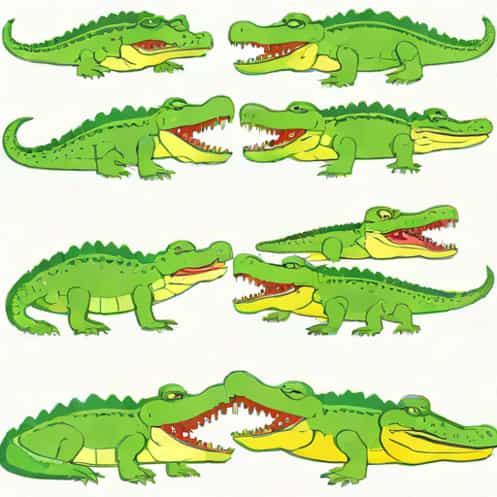
Alligators and crocodiles are two of the most fascinating reptiles in the world, often causing confusion for people who see them in the wild or in captivity. While they may look similar at first glance, these ancient creatures have distinct differences in their physical features, behaviors, habitats, and even their evolutionary history. Understanding the differences between alligators and crocodiles can help nature enthusiasts, travelers, and students appreciate these powerful reptiles and their roles in the ecosystem. This topic will guide you through the key distinctions in a clear and engaging way, making it easier to identify which is which.
Physical Differences Between Alligators and Crocodiles
Snout Shape
One of the easiest ways to tell alligators and crocodiles apart is by looking at their snouts. Alligators have broad, U-shaped snouts that are rounded at the end, while crocodiles have longer, V-shaped, pointed snouts. This difference in snout shape is not just cosmetic-it affects their diet. Alligators with wide snouts are better suited for crushing hard-shelled prey like turtles, whereas crocodiles with narrow snouts can snap up fish and other swift prey more efficiently.
Teeth Visibility
Another notable difference is how their teeth appear when their mouths are closed. In alligators, the upper jaw is wider than the lower jaw, so the lower teeth are mostly hidden. In contrast, crocodiles have jaws that are roughly the same width, so teeth in both the upper and lower jaws are visible, even when the mouth is shut. This gives crocodiles a slightly more menacing look.
Skin Color
Alligators tend to have darker, more blackish-grey skin, which helps them blend into the freshwater swamps and rivers they commonly inhabit. Crocodiles usually have lighter, olive brown skin with a more tan or greenish hue. This difference in skin color also reflects their adaptation to different environments and climates.
Habitat and Geographic Distribution
Alligator Habitats
Alligators are primarily found in freshwater environments like ponds, marshes, rivers, and lakes. In the United States, the American alligator is most commonly seen in the southeastern states, especially Florida and Louisiana. There is also the Chinese alligator, which is critically endangered and lives in small rivers and wetlands in eastern China.
Crocodile Habitats
Crocodiles are more versatile in their habitat preferences. They can live in both freshwater and saltwater environments, including rivers, estuaries, and coastal areas. Crocodiles are found in many parts of the world, including Africa, Australia, Southeast Asia, and Central and South America. Their ability to tolerate saltwater is due to specialized glands in their tongues that excrete excess salt from their bodies.
Behavioral Differences
Temperament
In general, crocodiles are considered more aggressive than alligators. While alligators may avoid humans if possible, crocodiles are more likely to defend their territory aggressively. This behavioral difference is important to keep in mind when observing these reptiles in the wild or in controlled environments like zoos or wildlife parks.
Feeding Habits
Both alligators and crocodiles are carnivorous, but their hunting strategies differ. Alligators are ambush predators, often waiting quietly near the water’s edge before snapping up prey. Crocodiles are also ambush hunters but are more opportunistic and can chase prey over longer distances, including in water. Crocodiles also tend to eat a wider range of prey, from fish and birds to larger mammals when the opportunity arises.
Reproduction and Lifespan
Nesting
Alligators and crocodiles both lay eggs, but there are subtle differences in their nesting behavior. Alligators build nests using vegetation, mud, and leaves, which helps regulate the temperature and humidity for the eggs. Crocodiles may dig holes in sandy riverbanks or build mound nests, depending on the species and environment.
Lifespan
In the wild, both alligators and crocodiles can live for several decades, but crocodiles often have a slightly longer average lifespan. American alligators typically live 30 to 50 years, while some crocodile species, like the saltwater crocodile, can live up to 70 years or more in the wild.
Evolutionary Background
Both alligators and crocodiles belong to the order Crocodylia, which has existed for over 200 million years. However, they diverged millions of years ago, which explains the physical and behavioral differences we see today. Alligators are part of the family Alligatoridae, while crocodiles belong to the family Crocodylidae. Despite their differences, both groups have remained remarkably similar to their ancient ancestors, retaining features that have helped them survive in diverse environments for millions of years.
Key Differences at a Glance
- Snout ShapeAlligator (U-shaped) vs. Crocodile (V-shaped)
- Teeth VisibilityAlligator (lower teeth hidden) vs. Crocodile (lower teeth visible)
- Skin ColorAlligator (darker) vs. Crocodile (lighter, olive)
- HabitatAlligator (freshwater) vs. Crocodile (freshwater and saltwater)
- TemperamentAlligator (less aggressive) vs. Crocodile (more aggressive)
- Geographic DistributionAlligator (U.S. and China) vs. Crocodile (Africa, Australia, Asia, Americas)
Although alligators and crocodiles share many similarities as large, predatory reptiles, their differences in physical traits, behavior, and habitat make them unique. Recognizing these differences can enrich our understanding of wildlife and contribute to safer and more respectful interactions with these animals. Whether you are exploring the swamps of Florida or the rivers of Africa, knowing how to distinguish an alligator from a crocodile enhances both your experience and your appreciation of these ancient creatures. By paying attention to their snouts, teeth, skin color, and habitats, you can confidently identify these reptiles and marvel at their remarkable adaptations that have allowed them to survive for millions of years.