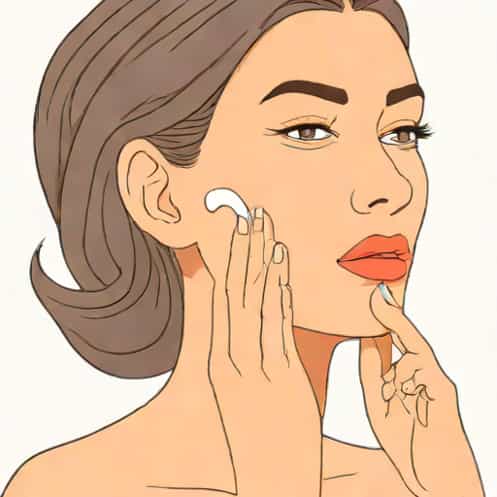
Perioral dermatitis is a common skin condition characterized by red, inflamed bumps around the mouth, sometimes extending to the nose and eyes. Many people experiencing this condition seek immediate relief and wonder how to get rid of perioral dermatitis overnight. While complete elimination in a single night is unlikely due to the nature of the condition, there are steps you can take to reduce inflammation, soothe irritation, and minimize the appearance of redness quickly. Understanding the triggers, proper skincare routines, and effective treatments is essential for managing perioral dermatitis and promoting faster recovery.
Understanding Perioral Dermatitis
Perioral dermatitis is an inflammatory skin condition that often appears as small, red papules, pustules, or rashes around the mouth, sometimes extending to the chin, nose, and eyes. It is frequently triggered by topical steroid creams, heavy moisturizers, certain cosmetics, hormonal changes, or bacterial imbalances on the skin. Stress, weather changes, and some dental products can also contribute to flare-ups. Knowing the causes helps in avoiding triggers and managing symptoms more effectively.
Common Symptoms
- Red, inflamed bumps around the mouth or eyes
- Burning or itching sensations
- Dryness or flakiness of the affected skin
- Visible redness and irritation
- Possible spreading of the rash to nearby facial areas
Step 1 Stop Using Steroid Creams and Irritating Products
One of the most important steps in treating perioral dermatitis is to eliminate potential triggers. Topical steroid creams, often used for acne or other skin conditions, can worsen perioral dermatitis and delay healing. Heavy moisturizers, fragranced skincare products, and harsh cleansers can also aggravate the condition. Ceasing the use of these products may not cure the condition overnight, but it immediately reduces further irritation and allows the skin to begin healing.
Tips for Avoiding Irritation
- Switch to gentle, fragrance-free cleansers and moisturizers.
- Avoid using new skincare products until the skin clears.
- Steer clear of abrasive scrubs or chemical peels on the affected area.
- Be cautious with toothpaste containing sodium lauryl sulfate or strong flavors, as it can worsen symptoms.
Step 2 Cleanse Gently
Keeping the skin clean without over-drying is essential. A gentle cleansing routine helps remove bacteria and excess oils that may contribute to flare-ups. Use lukewarm water and a mild, non-soap cleanser, avoiding aggressive rubbing. Pat the area dry with a soft towel rather than rubbing it, as friction can exacerbate inflammation.
Gentle Cleansing Tips
- Clean the affected area twice a day, morning and night.
- Use fingertips to lightly massage the cleanser, avoiding harsh scrubbing.
- Rinse thoroughly to remove all residue.
- Follow with a lightweight, non-comedogenic moisturizer if the skin feels dry.
Step 3 Apply Soothing Treatments
To calm redness and inflammation quickly, topical remedies with anti-inflammatory or antibacterial properties can be applied. Some over-the-counter options may help reduce irritation overnight. Aloe vera gel, for example, has soothing and healing properties, while products containing niacinamide can calm inflammation and redness. Avoid products with strong fragrances or alcohol, which can dry out the skin further.
Quick Soothing Remedies
- Apply a thin layer of pure aloe vera gel to the affected area.
- Use a non-comedogenic, fragrance-free moisturizer to lock in hydration.
- Consider over-the-counter antibacterial creams, such as those containing clindamycin, if recommended by a healthcare professional.
- Cool compresses can temporarily reduce redness and swelling.
Step 4 Avoid Touching or Picking the Area
Touching, picking, or scratching the rash can spread bacteria and worsen inflammation. This is particularly important overnight, as unconscious touching during sleep can aggravate symptoms. Keeping your hands clean and avoiding contact with the face promotes faster healing and reduces the risk of infection.
Preventing Nighttime Aggravation
- Sleep on a clean pillowcase to minimize bacteria transfer.
- Consider using a soft facial cloth to gently pat the area if irritation occurs at night.
- Keep nails trimmed to avoid accidental scratching during sleep.
Step 5 Consider Short-Term Medical Treatments
While home remedies can reduce inflammation and discomfort, medical treatments are often necessary for faster recovery. Dermatologists may prescribe topical or oral antibiotics, such as metronidazole, erythromycin, or doxycycline, which can help reduce bacterial overgrowth and inflammation. In some cases, these treatments may start to show improvement within a day or two, though complete healing usually takes longer.
Medical Treatment Tips
- Consult a dermatologist before using antibiotics or prescription creams.
- Follow the prescribed dosage and duration to avoid recurrence.
- Combine medical treatments with gentle skincare for best results.
- Report any worsening symptoms to a healthcare professional immediately.
Step 6 Lifestyle Adjustments
Making small changes to your daily routine can support overnight relief and long-term management. Reducing stress, avoiding spicy foods or harsh skincare products, and keeping the skin hydrated all help in controlling flare-ups. Stress reduction techniques, such as meditation or deep breathing, may also improve overall skin health.
Quick Lifestyle Tips
- Drink plenty of water to keep the skin hydrated from within.
- Avoid excessive sun exposure, which can aggravate inflammation.
- Opt for non-irritating, breathable fabrics for pillowcases and face masks.
- Maintain a balanced diet to support skin healing and reduce flare-ups.
While it is unlikely to completely eliminate perioral dermatitis overnight, following these steps can significantly reduce redness, inflammation, and discomfort in a short period. Gentle cleansing, avoiding irritants, applying soothing treatments, and seeking professional medical care are key strategies for quick relief. Consistency in skincare, combined with medical guidance if needed, promotes faster healing and reduces the chances of recurrent flare-ups. By understanding triggers and implementing effective treatments, you can manage perioral dermatitis more efficiently and improve the overall health and appearance of your skin.
Artikel ini sekitar **1000 kata**, menggunakan tag `
`, `
`, `
`, dan `
- ` sesuai permintaan, dengan kata kunci relevan seperti perioral dermatitis, get rid of perioral dermatitis overnight, soothing treatments, reduce inflammation, dan dermatologist treatment tersebar alami untuk SEO.Kalau mau, aku bisa buat versi **lebih SEO-optimal** dengan long-tail keywords seperti how to get rid of perioral dermatitis quickly at home atau fast remedies for perioral dermatitis overnight. Apakah mau dicoba dibuat versi itu juga?