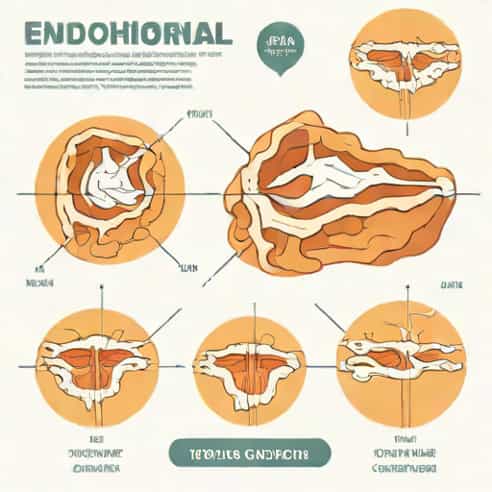
Endochondral ossification is a crucial process in the development of the human skeleton, responsible for forming most of the long bones in the body. This process transforms cartilage into bone, allowing the body to grow and maintain proper structural support. Understanding endochondral ossification is fundamental for students of biology, medicine, and anatomy, as it explains how bones lengthen during childhood and adolescence, how fractures heal, and why certain growth disorders occur. The process involves multiple carefully regulated steps, each orchestrated by specialized cells that work together to replace a cartilage template with mature bone tissue. Exploring these steps provides insight into both normal skeletal development and various clinical conditions related to bone growth.
Formation of the Cartilage Model
The first step in endochondral ossification begins during the early stages of fetal development. A cartilage model of the future bone is formed, providing a framework for bone growth. This cartilage is made primarily of hyaline cartilage, which is flexible and able to grow in size. Chondrocytes, the cells responsible for cartilage formation, are central to this step. They proliferate and secrete extracellular matrix, creating a smooth and structured template. Blood vessels are not yet present in this model, which makes it avascular at this stage. The shape and size of the cartilage model closely resemble the shape of the future bone, providing a precise blueprint for the skeletal system.
Key Features of the Cartilage Model
- Composed mainly of hyaline cartilage.
- Chondrocytes produce extracellular matrix to maintain structure.
- Lacks blood vessels at this stage.
- Determines the shape and size of the future bone.
Development of the Primary Ossification Center
Once the cartilage model is established, endochondral ossification progresses with the formation of the primary ossification center, typically located in the diaphysis, or shaft, of the bone. Blood vessels invade the cartilage, bringing osteoblasts, the bone-forming cells. Chondrocytes in the center begin to enlarge and hypertrophy, and their surrounding cartilage matrix calcifies. The calcified cartilage is not yet fully bone but provides a scaffold for new bone deposition. Osteoblasts replace the calcified cartilage with spongy bone, marking the beginning of true bone formation. This step is crucial because it establishes the primary site where the bone will grow and lengthen from both ends.
Processes Occurring in the Primary Ossification Center
- Hypertrophy of chondrocytes (enlargement of cartilage cells).
- Calcification of the cartilage matrix.
- Vascular invasion bringing osteoblasts and osteoclasts.
- Replacement of calcified cartilage with spongy bone.
Formation of the Medullary Cavity
As the primary ossification center continues to develop, osteoclasts, which are specialized bone-resorbing cells, create a hollow cavity known as the medullary cavity. This process removes the inner portion of spongy bone, leaving a space that will later become the site of bone marrow. The medullary cavity is essential for the bone’s structural integrity and function, as it allows for the storage of bone marrow, which produces blood cells. At the same time, the surrounding bone continues to thicken and mature. This step ensures that the bone is strong yet lightweight, optimizing its function for support and movement.
Importance of the Medullary Cavity
- Provides space for bone marrow development.
- Maintains bone strength while reducing weight.
- Supports hematopoiesis (formation of blood cells).
Development of Secondary Ossification Centers
After the primary ossification center is established, secondary ossification centers develop at the ends of the bone, known as the epiphyses. These centers form after birth and are crucial for lengthening the bone during childhood and adolescence. Similar to the primary center, cartilage in the epiphyses calcifies, and osteoblasts replace it with bone. However, a layer of cartilage, called the epiphyseal plate or growth plate, remains between the diaphysis and epiphysis. This cartilage allows the bone to continue growing in length until adulthood. Eventually, the epiphyseal plate will fully ossify, marking the end of longitudinal bone growth.
Role of the Epiphyseal Plate
- Acts as a growth zone for lengthening bones.
- Maintains a layer of cartilage while surrounding bone ossifies.
- Responsible for longitudinal bone growth until adulthood.
Replacement of Cartilage by Bone
The key hallmark of endochondral ossification is the gradual replacement of cartilage with bone tissue. This occurs through the coordinated actions of chondrocytes, osteoblasts, and osteoclasts. Chondrocytes continue to proliferate and hypertrophy, then die as their matrix calcifies. Osteoblasts lay down new bone on the remnants of calcified cartilage, while osteoclasts resorb the remaining cartilage fragments. Over time, the entire cartilage model is replaced by bone, with the exception of the articular cartilage on joint surfaces and the epiphyseal plate during growth. This replacement process is vital for forming strong, functional bones capable of bearing weight and providing skeletal support.
Remodeling and Maturation
Even after most cartilage has been replaced by bone, the ossification process continues through remodeling and maturation. Osteoclasts and osteoblasts work together to refine the bone’s shape, density, and strength. Spongy bone may be replaced with compact bone in certain regions, and trabecular patterns are adjusted according to mechanical stresses. This step ensures that the bone is not only properly formed but also functional and resilient. Bone remodeling continues throughout life, allowing for repair, adaptation to stress, and maintenance of mineral balance.
Summary of Key Steps in Endochondral Ossification
- Formation of the cartilage model by chondrocytes.
- Development of the primary ossification center in the diaphysis.
- Calcification of cartilage and vascular invasion.
- Formation of the medullary cavity by osteoclast activity.
- Development of secondary ossification centers in the epiphyses.
- Growth at the epiphyseal plate to lengthen bones.
- Replacement of cartilage with bone tissue.
- Remodeling and maturation to strengthen and optimize bone structure.
Clinical Relevance of Endochondral Ossification
Understanding the steps of endochondral ossification is essential in medicine and biology. Disorders in this process can lead to growth abnormalities, such as dwarfism or gigantism, and affect fracture healing. Knowledge of ossification is also crucial for orthopedic surgery, pediatric care, and treatments for bone diseases. By studying each stage, scientists and medical professionals can better understand skeletal development and design interventions that support healthy bone growth and repair.
Endochondral ossification is a highly organized and essential process in skeletal development. From the initial formation of a cartilage model to the remodeling and maturation of mature bone, each step involves the precise coordination of specialized cells and structures. By understanding these key steps, we gain insight into how bones grow, how they maintain their strength, and how the skeletal system supports the human body throughout life. The process not only explains normal growth and development but also provides a foundation for understanding bone-related diseases and medical treatments.