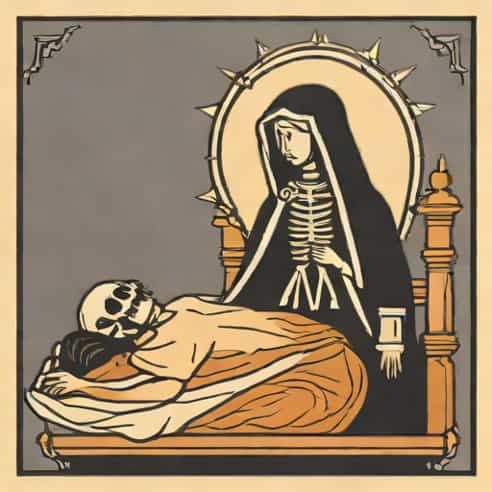
Maria Cervantes in Chronicle of a Death Foretold is one of the most intriguing figures in the novel, often remembered for her independence, emotional depth, and symbolic role in the community. Her presence offers a unique contrast to the rigid expectations of honor, gender, and morality that shape the tragic events surrounding Santiago Nasar. By looking more closely at her character, readers gain a deeper understanding of the cultural tension between passion and social norms, as well as the subtle ways Gabriel García Márquez uses secondary characters to enrich the larger narrative of guilt, memory, and fate.
The Role of Maria Cervantes in the Social World of the Novel
Maria Cervantes is introduced as a respected yet unconventional woman who runs a house associated with pleasure and companionship. Unlike many women in the town, she is not bound by traditional expectations of purity or marriage. Instead, she represents freedom, emotional honesty, and physical expression. Her relationship with Santiago Nasar is affectionate and sincere, showing that intimacy in the novel can exist outside the rigid rules of honor and reputation.
Through Maria Cervantes, the story highlights how the town’s moral values are deeply contradictory. While society publicly condemns her lifestyle, many members of the community privately engage with it. This duality reflects the broader themes of appearance versus reality and the silent complicity that surrounds the unfolding tragedy.
A Figure of Strength and Compassion
- She is portrayed as emotionally strong despite living on the margins of society
- Her compassion toward Santiago reveals tenderness behind her confident exterior
- She embodies independence in a community dominated by strict tradition
These qualities make Maria Cervantes more than a background figure; she becomes a lens through which readers can examine love, loyalty, and dignity in an environment shaped by social pressure.
Symbolism Surrounding Maria Cervantes
Maria Cervantes carries rich symbolic meaning throughout Chronicle of a Death Foretold. She represents desire, but also authenticity. In contrast to characters who hide behind public expectations, she lives openly and without pretense. Her openness challenges the hypocrisy of those who judge her lifestyle while benefiting from it in secret.
Her home becomes a symbolic space as well. It is separate from the town’s formal life, almost like a refuge from the weight of honor and duty. Within its walls, emotions are allowed to exist honestly. This separation emphasizes how divided the society is between public rules and private behavior.
Key Symbolic Themes
- Freedom versus social confinement
- Honest emotion versus public restraint
- Physical desire contrasted with moral judgment
By embodying these symbolic contrasts, Maria Cervantes helps deepen the novel’s exploration of cultural expectations and personal truth.
Her Relationship with Santiago Nasar
The connection between Maria Cervantes and Santiago Nasar plays an important emotional role in the narrative. Their relationship is characterized by warmth, mutual respect, and genuine affection. Unlike other relationships in the story, theirs is not driven by social obligation or family pressure. Instead, it exists on personal terms.
This intimacy humanizes Santiago, reminding readers that he is more than a symbolic victim of honor culture. He is a young man with emotions, desires, and meaningful relationships. Maria Cervantes mourns him deeply, and her grief reflects the personal cost of the town’s obsession with reputation and violence.
Emotional Dimensions of Their Bond
- Their relationship reveals Santiago’s softer, vulnerable side
- Maria’s grief highlights the tragedy’s human impact
- Their connection contrasts with rigid, transactional views of love
Through their bond, the narrative emphasizes that beneath the story of honor and death lies a story of lost affection and interrupted life.
Gender and Power Through Maria Cervantes
Maria Cervantes challenges conventional gender roles in the novel. Many female characters are confined by expectations of purity and obedience, but Maria lives independently and makes her own choices. She does not rely on male authority or social approval to define her identity.
At the same time, her independence presents a complex reality. Although she exercises personal control over her life, she still exists in a space shaped by male desire and social judgment. This duality illustrates how power and vulnerability can coexist within the same character.
Gender Themes Reflected in Her Character
- Resistance to restrictive expectations placed on women
- Independence balanced with emotional sensitivity
- Complex power dynamics within social relationships
Through Maria Cervantes, the novel invites readers to reflect on how women navigate identity, social pressure, and autonomy in a traditional community.
Maria Cervantes as a Witness to the Tragedy
As the events leading to Santiago’s death unfold, Maria Cervantes becomes one of the emotional witnesses to the tragedy. She represents the perspective of those who loved him and feel powerless to change what is happening. Her sorrow mirrors the collective regret that haunts the town after the murder.
Her reaction reinforces one of the novel’s central ideas everyone knows what is going to happen, yet no one stops it. While some characters participate through silence or indifference, Maria’s emotional response emphasizes the sense of loss rather than justification. She stands outside the rituals of honor, reinforcing the moral emptiness of the violence.
The Meaning of Her Grief
- Her sorrow emphasizes the personal tragedy behind public events
- She represents love rather than revenge
- Her perspective challenges the cultural logic of honor killing
Through her grief, the novel highlights empathy and humanity in contrast to social cruelty.
Why Maria Cervantes Remains a Memorable Character
Maria Cervantes remains memorable because she embodies emotional honesty, complexity, and quiet strength. She is neither a traditional heroine nor a purely symbolic figure. Instead, she feels real, layered, and deeply human. Her presence adds emotional balance to the novel’s themes of fate, guilt, and social responsibility.
Readers continue to reflect on her character because she represents an alternative way of living – one that values emotion, authenticity, and compassion over oppressive social rules. In a story defined by inevitability and tragedy, Maria Cervantes symbolizes the possibility of tenderness within harsh cultural systems.
Enduring Qualities of Her Character
- Emotional depth and sincerity
- Independence and self-awareness
- A compassionate response to injustice
These attributes make her an essential figure in the broader analysis of Chronicle of a Death Foretold.
Maria Cervantes in Chronicle of a Death Foretold is more than a secondary character; she represents empathy, independence, and emotional truth within a society defined by rigid honor codes. Through her relationships, symbolism, and personal strength, she deepens the novel’s exploration of love, morality, and human connection. By examining her character, readers gain a richer understanding of how themes of passion, judgment, and tragedy intersect in the narrative, making Maria Cervantes an unforgettable figure in the world of the story.