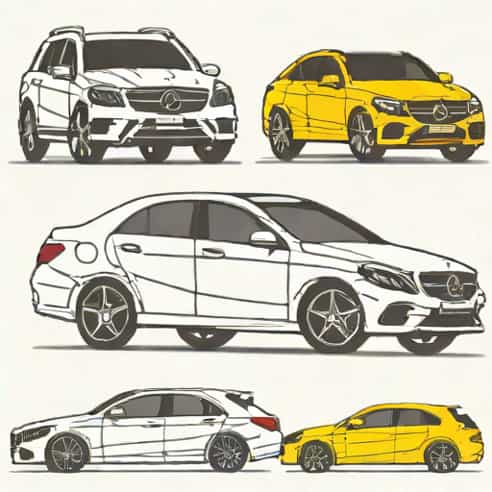
Market segmentation is a crucial strategy for global companies to understand and address the diverse needs of their customers. Mercedes-Benz, as a leading luxury automobile manufacturer, has successfully segmented its market to cater to different customer preferences, income levels, and lifestyle choices. Understanding how Mercedes segments its market provides insight into the company’s marketing strategy, product positioning, and competitive advantage. By analyzing factors such as demographics, psychographics, geography, and behavior, Mercedes can design products and marketing campaigns that meet the specific needs of its target audience while maintaining its brand image of luxury, performance, and innovation.
What Is Market Segmentation?
Market segmentation is the process of dividing a broad consumer or business market into subgroups of consumers based on shared characteristics. Companies use segmentation to identify and target specific groups that are most likely to purchase their products or services. Effective market segmentation helps businesses optimize resources, tailor marketing strategies, and increase customer satisfaction.
Mercedes-Benz uses segmentation to ensure that each vehicle model appeals to a distinct consumer segment. By analyzing the market, the company can offer products that vary in price, performance, features, and design to match the expectations of different customer groups.
Segmentation Based on Demographics
Demographic segmentation involves dividing the market based on measurable characteristics such as age, income, gender, education, and occupation. Mercedes-Benz carefully considers demographic factors to position its vehicles appropriately
- IncomeMercedes targets affluent customers who can afford premium vehicles. High-end models like the S-Class and AMG variants appeal to individuals with higher disposable income.
- AgeDifferent models cater to varying age groups. Younger professionals may prefer sportier models like the CLA or A-Class, while older executives often choose luxury sedans or SUVs.
- OccupationCertain Mercedes vehicles appeal to business leaders and corporate executives due to their prestige and status.
By using demographic segmentation, Mercedes ensures that its products resonate with customers who have the financial capacity and lifestyle to appreciate a luxury vehicle.
Segmentation Based on Psychographics
Psychographic segmentation involves dividing the market based on lifestyle, personality, values, and social class. Mercedes-Benz leverages psychographic insights to appeal to customers’ desires for luxury, status, and performance
- LifestyleSome customers value high performance and speed, making AMG sports cars ideal for them. Others prioritize comfort and luxury, favoring S-Class sedans.
- PersonalityMercedes targets consumers who see themselves as sophisticated, successful, and influential. Vehicles are marketed to reflect a sense of prestige and exclusivity.
- Social StatusOwning a Mercedes is often associated with social recognition. The company emphasizes brand heritage, elegance, and innovation to reinforce this perception.
Psychographic segmentation helps Mercedes create advertising messages and experiences that connect emotionally with different customer groups, enhancing brand loyalty.
Geographic Segmentation
Geographic segmentation involves dividing the market based on location, climate, population density, or cultural differences. Mercedes-Benz adapts its product offerings according to geographic insights
- Urban vs. RuralCompact models such as the A-Class and GLA are suitable for urban customers who need maneuverability and fuel efficiency. SUVs like the GLE and GLS appeal to suburban or rural customers who require space and versatility.
- Regional PreferencesIn Europe, sedans and hatchbacks dominate due to road conditions and customer preference, while in the U.S., SUVs and trucks are more popular.
- Climate ConsiderationsFour-wheel-drive vehicles like the G-Class are marketed in regions with challenging weather conditions, emphasizing durability and off-road performance.
Geographic segmentation enables Mercedes to tailor its product line and marketing approach to regional consumer behaviors and environmental needs.
Behavioral Segmentation
Behavioral segmentation divides customers based on their behavior, usage patterns, brand loyalty, and purchasing decisions. Mercedes-Benz uses behavioral data to design offers that cater to specific user experiences
- Usage RateHeavy users of luxury cars, such as business executives or enthusiasts, may prefer high-performance AMG models. Occasional users might choose entry-level luxury vehicles like the CLA.
- Brand LoyaltyMercedes cultivates loyalty through premium services, warranty programs, and exclusive memberships. Loyal customers often upgrade to newer or higher-end models.
- Benefits SoughtSome customers prioritize safety features, while others focus on fuel efficiency, performance, or technological innovations like advanced infotainment systems.
Behavioral segmentation allows Mercedes to anticipate customer needs, introduce targeted promotions, and maintain a competitive edge in the luxury market.
Market Segmentation and Product Strategy
Mercedes-Benz aligns its market segmentation with its product strategy to ensure that each model addresses a specific consumer segment
- Entry-Level LuxuryModels such as the A-Class and B-Class target younger professionals entering the luxury market.
- Mid-Range LuxuryVehicles like the C-Class and E-Class appeal to middle-aged consumers seeking comfort, performance, and prestige.
- Premium and High-End LuxuryThe S-Class, G-Class, and AMG models cater to affluent consumers demanding top-tier technology, comfort, and performance.
- SUV and Crossover SegmentThe GLA, GLC, GLE, and GLS SUVs meet diverse lifestyle needs, from city commuting to off-road adventures.
This approach ensures that Mercedes has offerings across multiple segments, creating a balanced portfolio that maximizes market coverage and revenue potential.
Marketing and Communication Strategies
Mercedes-Benz uses its segmentation insights to develop targeted marketing and communication strategies. The company invests in advertising, digital campaigns, sponsorships, and events that resonate with specific customer groups. For example
- Younger audiences may see Mercedes promoting sportier models on social media platforms emphasizing style and technology.
- Corporate executives might be targeted through print advertisements and professional networks highlighting luxury, prestige, and safety.
- Off-road enthusiasts receive marketing materials focusing on performance, durability, and adventure capabilities of SUVs like the G-Class.
By tailoring messages to segmented markets, Mercedes strengthens brand awareness, emotional connection, and purchase intent.
Advantages of Market Segmentation for Mercedes
Segmenting the market offers several advantages for Mercedes-Benz
- Improved Customer SatisfactionProducts meet specific needs and preferences, increasing satisfaction and loyalty.
- Optimized Marketing SpendTargeted campaigns reduce waste and maximize return on investment.
- Competitive AdvantageUnderstanding market segments allows Mercedes to position itself effectively against competitors.
- Product InnovationInsights from segmentation drive the development of new models and features that appeal to distinct groups.
- Global ReachTailored strategies for different regions enable Mercedes to succeed in diverse international markets.
Mercedes-Benz has effectively segmented its market on the basis of demographics, psychographics, geography, and behavior. This strategic approach allows the company to target different customer groups with tailored products, marketing campaigns, and services. By understanding consumer needs, lifestyle preferences, and regional differences, Mercedes maintains its position as a leading luxury automobile brand worldwide. Market segmentation not only supports customer satisfaction and loyalty but also strengthens Mercedes’ competitive advantage, ensuring sustainable growth and innovation in the dynamic automotive industry.