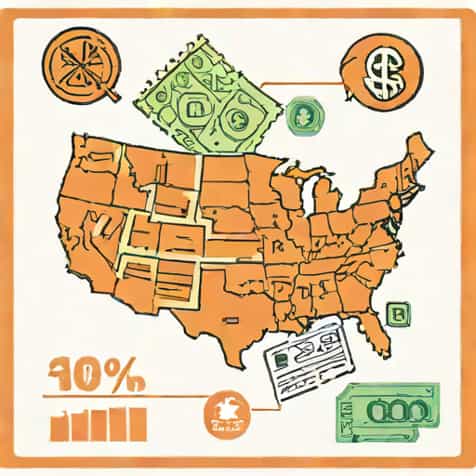
For many people in the United States, financial stability feels increasingly difficult to achieve. Despite steady employment and regular income, a large share of households struggle to cover basic expenses without relying on their next paycheck. This reality is often described by the phrase living paycheck to paycheck, meaning that most or all income is used to meet immediate needs, leaving little room for savings or unexpected costs. Understanding the percentage of Americans living paycheck to paycheck helps reveal broader economic pressures and the everyday challenges faced by millions of families.
What Does Living Paycheck to Paycheck Mean?
Living paycheck to paycheck generally means that a person or household depends on each paycheck to pay bills, buy food, and cover essential expenses. If income were delayed or interrupted, even briefly, financial stress would quickly follow.
This situation does not only apply to low-income households. Many middle-income and even higher-income earners report living paycheck to paycheck due to high living costs, debt obligations, and limited savings.
Key Characteristics
People living paycheck to paycheck often share common financial patterns
- Minimal or no emergency savings
- High monthly expenses relative to income
- Reliance on credit cards or short-term loans
- Limited ability to absorb unexpected costs
The Percentage of Americans Affected
Surveys and financial studies over recent years consistently show that a significant percentage of Americans live paycheck to paycheck. While exact figures vary depending on methodology and economic conditions, the number often represents a substantial portion of the population.
This trend has remained persistent even during periods of economic growth, suggesting that structural issues, not just temporary downturns, contribute to financial insecurity.
Differences Across Income Levels
One common misconception is that only low-wage workers live paycheck to paycheck. In reality, the issue spans income brackets.
- Lower-income households face basic affordability challenges
- Middle-income earners struggle with housing, childcare, and healthcare costs
- Higher-income individuals may carry large debt burdens
This broad impact highlights how rising expenses can outpace income growth.
Major Factors Contributing to the Issue
Several interconnected factors influence the percentage of Americans living paycheck to paycheck. These factors often reinforce one another, making it difficult for households to break the cycle.
Rising Cost of Living
Housing, healthcare, education, and transportation costs have increased significantly over time. In many regions, rent and home prices consume a large portion of monthly income.
When essential costs rise faster than wages, even small financial shocks can become overwhelming.
Stagnant Wage Growth
While productivity has increased over decades, wage growth for many workers has been relatively slow. This imbalance reduces purchasing power and limits the ability to save.
As a result, households often rely on each paycheck just to maintain their current standard of living.
Debt and Financial Obligations
Debt plays a major role in paycheck-to-paycheck living. Student loans, credit card balances, car payments, and medical bills reduce disposable income.
- Monthly debt payments limit cash flow
- High interest rates increase long-term costs
- Debt reduces flexibility during emergencies
Impact on Daily Life and Well-Being
Living paycheck to paycheck affects more than just bank accounts. It influences mental health, relationships, and long-term planning.
Financial stress is closely linked to anxiety, sleep problems, and reduced overall well-being. Constant concern about money can make it difficult to focus on career growth or personal development.
Limited Financial Choices
When income barely covers expenses, choices become restricted. People may delay medical care, avoid changing jobs, or stay in unfavorable living situations due to cost concerns.
This lack of flexibility can reinforce financial vulnerability over time.
Economic and Social Implications
The high percentage of Americans living paycheck to paycheck has broader implications for the economy. Consumer spending patterns, labor mobility, and economic resilience are all affected.
Households without savings are more vulnerable during economic downturns, which can amplify the effects of recessions.
Reduced Economic Resilience
When many households lack financial buffers, unexpected events such as job losses or natural disasters can quickly escalate into widespread hardship.
- Lower household savings reduce economic stability
- Emergency assistance demand increases
- Recovery from crises becomes slower
Who Is Most at Risk?
While paycheck-to-paycheck living affects a wide range of people, certain groups face higher risk due to structural and social factors.
Demographic Patterns
Studies often show higher vulnerability among
- Younger workers early in their careers
- Single-income households
- Families with children and childcare costs
- Communities facing higher living expenses
These patterns reflect differences in income stability, support systems, and access to resources.
Steps Toward Greater Financial Stability
Addressing paycheck-to-paycheck living requires both individual strategies and systemic solutions. While not all factors are within personal control, small changes can make a difference over time.
Personal Financial Strategies
Common approaches include
- Creating realistic budgets
- Building emergency savings gradually
- Reducing high-interest debt
- Seeking financial education
These steps can improve resilience, even if progress feels slow.
Policy and Workplace Considerations
On a broader level, wage growth, affordable healthcare, housing access, and financial protections play a critical role. Employer benefits, predictable scheduling, and fair pay practices can also reduce financial stress.
Why the Issue Continues to Matter
The percentage of Americans living paycheck to paycheck remains an important indicator of economic health. It reflects not only income levels but also the balance between earnings and expenses.
As living costs evolve and economic conditions change, this issue continues to shape how people plan their futures, raise families, and participate in the economy.
A Clearer Picture of Financial Reality
Understanding how many Americans live paycheck to paycheck helps move the conversation beyond assumptions and stereotypes. It reveals a complex reality where financial stress affects diverse households across the country.
By acknowledging the scope of the issue and its underlying causes, individuals, communities, and policymakers can work toward solutions that promote greater financial security and long-term stability for more Americans.