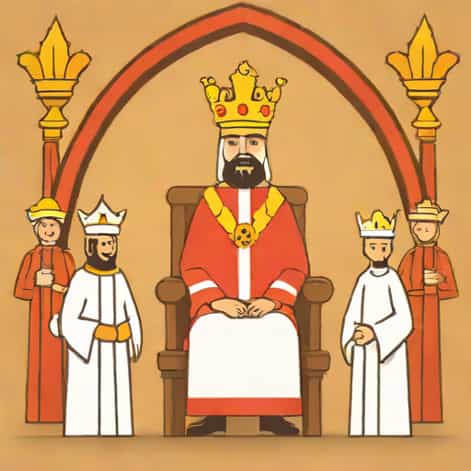
Throughout history, kings and monarchs often relied on the counsel and support of clergymen to maintain political stability, moral authority, and influence over their subjects. However, there were times when kings grew deeply disappointed with the clergy, feeling let down by their actions, inactions, or moral failures. The disappointment could stem from issues such as corruption, lack of loyalty, political interference, or the clergy’s failure to uphold the values and laws that the king expected them to enforce. Understanding why a king might feel this disappointment requires examining the historical context, the relationship between church and state, and the specific expectations that monarchs held toward religious leaders.
The Role of Clergymen in Historical Monarchies
Clergymen historically played a critical role in governance and society. They were not only spiritual leaders but also advisors, mediators, and educators. Kings often relied on clergymen to legitimize their rule, guide moral and ethical decisions, and support the enforcement of laws and policies. This close relationship meant that clergymen were expected to be trustworthy, loyal, and morally upright, aligning their actions with the king’s vision for the kingdom.
Political Influence and Counsel
Clergymen often served as counselors to kings, providing advice on matters ranging from diplomacy to domestic policy. Their influence was considerable, as they could sway public opinion and advise on ethical governance. Kings expected clergymen to use their influence responsibly, supporting royal authority and promoting unity within the kingdom. Any perceived deviation from this expectation could lead to disappointment and tension between the monarchy and the church.
Spiritual Guidance and Moral Authority
In addition to political roles, clergymen were tasked with maintaining the moral and spiritual health of the populace. Kings believed that a righteous and obedient clergy would help cultivate a loyal and disciplined citizenry. When clergymen failed to demonstrate moral leadership or engaged in unethical behavior, kings often viewed this as a personal and political failure, undermining both their authority and the kingdom’s stability.
Common Reasons for Disappointment
Kings could become disappointed with clergymen for various reasons, ranging from corruption and political maneuvering to failure in providing ethical guidance. These disappointments often reflected broader issues within the church and society.
Corruption and Misuse of Power
One major source of royal disappointment was corruption among clergymen. Instances of embezzlement, abuse of church funds, or the selling of indulgences were common complaints in historical records. When clergymen prioritized personal gain over spiritual duty or public welfare, kings viewed this as a betrayal of trust and a threat to their own legitimacy. Corruption within the clergy could also fuel unrest among the populace, further challenging the king’s authority.
Lack of Loyalty to the Crown
Kings expected clergymen to demonstrate loyalty to the monarchy, supporting royal policies and decisions. However, clergymen sometimes aligned with rival political factions, foreign powers, or rebellious nobles. Such actions could compromise the king’s control over his kingdom and provoke deep disappointment. For monarchs, loyalty from the clergy was not just a matter of trust; it was a crucial component of national stability.
Failure in Moral and Religious Duties
Another significant cause of disappointment was the perceived failure of clergymen to uphold religious and moral standards. Kings often relied on the clergy to guide the populace in ethical behavior, religious observance, and social cohesion. When clergy members engaged in scandalous behavior, neglected their duties, or failed to intervene in moral crises, the king’s confidence in the institution and its leaders could waver. This failure could be seen as a threat to the moral fabric of the kingdom and the king’s own authority.
Historical Examples of Royal Disappointment
Throughout history, several monarchs expressed clear disappointment with clergymen, illustrating the tension between royal expectations and ecclesiastical behavior.
Henry VIII and the English Clergy
King Henry VIII of England famously became frustrated with the Catholic clergy when they refused to annul his marriage to Catherine of Aragon. The perceived disloyalty and rigid adherence to church law led Henry to break from the Catholic Church entirely, establishing the Church of England. This historical event highlights how royal disappointment could have dramatic political and religious consequences, reshaping the relationship between church and state.
Louis XIV and the French Clergy
In France, King Louis XIV expressed dissatisfaction with certain members of the clergy who resisted his centralization of power and policies aimed at consolidating royal authority. While he maintained strong control over the church, he was often disappointed with clergy who challenged his decisions or pursued their own agendas, illustrating the delicate balance between religious independence and royal expectations.
Reform Movements and Clerical Criticism
During various reform movements, kings across Europe expressed disappointment with clergy who were slow to embrace reform or resisted changes aimed at moral and social improvement. Monarchs often viewed such resistance as a hindrance to progress and a sign that clergymen were not fulfilling their duties to both God and king. These historical tensions sometimes led to widespread reform efforts or punitive measures against non-compliant clergy.
Consequences of Clergy Disappointment
When kings were disappointed with the clergymen, it often had far-reaching consequences for the kingdom. The relationship between church and state could be strained, and political, social, and religious tensions could arise.
Political and Administrative Changes
Kings often responded to disappointment by implementing administrative reforms or asserting greater control over religious institutions. This could include appointing loyal clergy, enforcing stricter oversight, or even creating new religious structures to bypass uncooperative leaders. These actions were intended to restore order and ensure that the clergy aligned with royal objectives.
Impact on Public Perception
The king’s disappointment could also affect public perception of the church. When clergymen failed to meet moral and ethical standards, citizens might lose trust in religious institutions, creating societal tension. Monarchs were acutely aware of this risk and often used public reprimands, reforms, or propaganda to maintain the credibility of both the throne and the church.
Lessons from Historical Context
The historical disappointment of kings with clergymen underscores the complexity of church-state relationships. It highlights the importance of trust, loyalty, and ethical conduct in positions of influence. Monarchs expected the clergy to support both spiritual guidance and political stability, and failures in these areas could provoke frustration, policy changes, and even major shifts in religious practice.
Importance of Ethical Leadership
The recurring theme of disappointment teaches modern observers the value of ethical and accountable leadership. Clergymen, like any leaders, are entrusted with responsibilities that impact both individuals and society. When these responsibilities are neglected, the consequences can ripple across political, social, and cultural spheres.
Maintaining Collaboration Between Church and State
Historical examples also show that collaboration between church and state requires mutual respect and clear expectations. When expectations are unmet, as in the cases of Henry VIII or Louis XIV, the results can be transformative, affecting law, governance, and religious practice for generations. These lessons remain relevant in understanding how institutions and leaders navigate authority and moral responsibility.
Kings were often disappointed with clergymen because of corruption, lack of loyalty, or failure to fulfill moral and religious duties. This disappointment could have significant consequences for political authority, public perception, and the relationship between church and state. Historical examples, such as Henry VIII and Louis XIV, illustrate how unmet expectations could reshape religious and political landscapes. Understanding these dynamics provides insight into the critical role that clergymen played in history and the high standards of accountability expected of them by monarchs. Ethical conduct, loyalty, and effective collaboration were essential to maintaining the delicate balance between spiritual leadership and royal authority, and failures in these areas often led to profound historical changes.