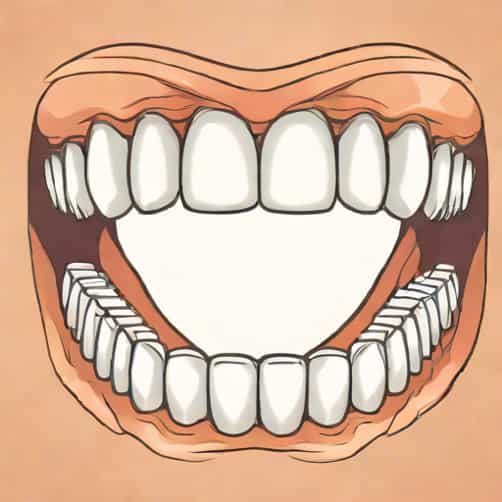
The embrasure of anterior teeth is a critical aspect of dental anatomy and aesthetics that often goes unnoticed by the general public but holds great significance in dentistry. These small, V-shaped spaces between adjacent teeth play a vital role in maintaining oral health, facilitating proper cleaning, and contributing to the overall appearance of the smile. The embrasures are not merely gaps; they are carefully designed anatomical features that allow for the proper flow of food, reduce plaque accumulation, and provide a natural transition between teeth. Understanding the embrasure of anterior teeth is essential for dental professionals, orthodontists, and patients aiming to maintain optimal oral hygiene and achieve a harmonious smile.
Anatomy of Anterior Tooth Embrasures
Embrasures are formed by the contour of adjacent teeth and the interdental papilla, which is the triangular portion of gum tissue filling the space between teeth. In anterior teeth, which include the incisors and canines, the embrasures are especially noticeable due to their location at the front of the mouth. These spaces can be classified into four types based on their direction
- Occlusal or incisal embrasures Located near the biting edges of the teeth, allowing food to flow smoothly during chewing.
- Gingival embrasures Found near the gum line, they help maintain healthy interdental tissue and prevent food impaction.
- Facial embrasures These are on the facial or front surface of the teeth, contributing to the aesthetic appearance of the smile.
- Lingual embrasures Located on the tongue side, playing a role in oral function and hygiene.
Proper embrasure design ensures that the teeth appear natural, functional, and aesthetically pleasing while supporting oral health by preventing excessive accumulation of plaque and debris.
Functions of Anterior Tooth Embrasures
The embrasures of anterior teeth serve multiple functions, each contributing to dental health and oral aesthetics. Firstly, they provide self-cleansing pathways, allowing saliva and tongue movements to remove food ptopics effectively. Secondly, these spaces protect the gingival tissue by preventing trauma from direct contact with food during chewing. Thirdly, embrasures enhance the distribution of biting forces, reducing stress on individual teeth and promoting long-term stability. Additionally, well-formed embrasures improve the overall appearance of the smile by providing visual separation between teeth, making them appear natural and well-aligned.
Clinical Significance
For dental professionals, understanding the embrasure of anterior teeth is essential for restorative, orthodontic, and cosmetic procedures. Improperly shaped embrasures can lead to aesthetic concerns, food impaction, and periodontal issues. For instance, in restorative dentistry, when placing veneers or crowns on anterior teeth, the dentist must carefully replicate natural embrasures to ensure both functionality and a pleasing appearance. Similarly, orthodontists consider embrasure spaces when planning tooth movement, as closing or widening these spaces can significantly affect the smile and oral hygiene.
Impact on Oral Hygiene
Anterior tooth embrasures play a critical role in maintaining oral hygiene. Properly contoured embrasures allow effective cleaning with dental floss or interdental brushes, reducing the risk of plaque buildup and gum disease. Gingival embrasures, in particular, are crucial in protecting the interdental papilla from inflammation and recession. When these spaces are too narrow or absent due to crowding or poor dental alignment, it becomes challenging to clean between teeth, increasing the risk of dental caries and periodontal problems.
Aesthetic Considerations
The visual appearance of anterior embrasures significantly influences the attractiveness of a smile. A harmonious smile often exhibits balanced incisal and gingival embrasures that create a natural light reflection and symmetry between teeth. Excessive or inadequate embrasure space can disrupt this balance, leading to what dentists term as black triangles, where the gum tissue does not fully fill the space between teeth. These black triangles can be aesthetically displeasing and may require cosmetic interventions, such as composite bonding, orthodontic adjustments, or gum contouring, to achieve a more appealing smile.
Factors Affecting Embrasure Shape
Several factors influence the shape and size of anterior tooth embrasures. Genetic and anatomical variations play a role, determining the natural contour of teeth and interdental papilla. Age-related changes, such as gum recession or tooth wear, can alter embrasure spaces over time. Dental treatments, including restorations, orthodontics, or tooth extraction, also impact the formation of embrasures. Dentists must consider these factors during treatment planning to maintain or restore functional and aesthetic embrasures that promote oral health and a natural smile.
Restorative and Orthodontic Implications
In restorative dentistry, recreating natural embrasures is a key goal when performing procedures such as crowns, veneers, and bridges on anterior teeth. Dentists carefully shape the contact points and contours of restorations to replicate natural embrasure spaces, ensuring proper food deflection and gum protection. In orthodontics, controlling embrasure spaces is essential for achieving ideal tooth alignment. Braces or clear aligners are often used to adjust the spacing between anterior teeth to optimize both function and aesthetics, minimizing the risk of food impaction and periodontal complications.
Preventing and Managing Black Triangles
Black triangles, or open gingival embrasures, are a common concern in the anterior region. These spaces can result from gum recession, bone loss, or improper restoration design. Preventive measures include maintaining proper oral hygiene, timely periodontal care, and careful planning of dental restorations. When black triangles are present, dental interventions such as composite bonding, porcelain veneers, or orthodontic tooth movement can be employed to restore a natural appearance and function. The goal is to achieve balanced embrasures that protect the gingiva and enhance smile aesthetics.
The embrasure of anterior teeth is a fundamental aspect of dental anatomy with significant implications for oral health, hygiene, and aesthetics. These spaces serve critical functions, including food deflection, protection of gingival tissue, facilitation of cleaning, and contribution to the visual appeal of a smile. Understanding the anatomy, clinical significance, and aesthetic considerations of anterior embrasures is essential for dental professionals and patients alike. By maintaining well-formed embrasures through proper oral care, restorative dentistry, and orthodontic planning, it is possible to achieve a healthy, functional, and visually pleasing smile that supports long-term oral health.