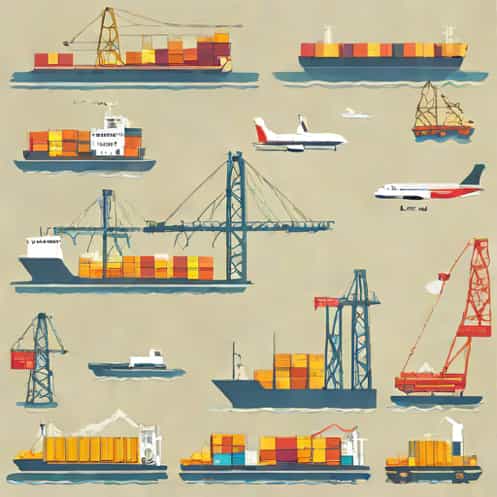
Hong Kong has long been recognized as one of the world’s leading transshipment hubs, playing a pivotal role in global maritime trade. Strategically located on the South China Sea and adjacent to the manufacturing powerhouse of the Pearl River Delta, Hong Kong serves as a critical gateway for goods moving between Asia and the rest of the world. Its deep-water ports, state-of-the-art facilities, and efficient logistics network make it an attractive option for shipping lines and multinational corporations seeking fast and reliable cargo handling. Over the decades, Hong Kong has maintained its competitive edge by investing in infrastructure, embracing technology, and providing a business-friendly environment that supports seamless transshipment operations.
Strategic Location and Connectivity
The success of Hong Kong as a transshipment hub is largely attributed to its strategic location. Situated at the heart of Asia, the city provides easy access to major trade routes connecting East Asia, Southeast Asia, and beyond. This central position enables efficient distribution of goods from manufacturing centers in China, Vietnam, and other neighboring countries to markets in Europe, the Americas, and Africa. The city’s proximity to the Pearl River Delta, one of the world’s most densely industrialized regions, ensures a steady flow of cargo, making Hong Kong an ideal intermediary point for global shipping operations.
Port Infrastructure
Hong Kong’s ports are equipped with world-class infrastructure that facilitates large-scale transshipment operations. Container terminals such as Kwai Tsing Container Terminals are among the busiest in the world, handling millions of twenty-foot equivalent units (TEUs) annually. These terminals are designed to accommodate ultra-large container vessels, offering extensive berthing facilities, advanced cranes, and automated systems that speed up cargo handling. The combination of deep-water access and modern port facilities allows Hong Kong to handle a high volume of transshipment efficiently, reducing turnaround times and enhancing operational reliability.
Efficient Logistics and Supply Chain
Efficient logistics networks are essential for a successful transshipment hub, and Hong Kong excels in this regard. The city boasts a well-integrated transportation system, including road, rail, and air connections that complement maritime operations. The Hong Kong International Airport, one of the busiest cargo airports globally, facilitates air-sea transshipment, while an extensive network of highways and trucking services ensures smooth inland distribution. Additionally, Hong Kong’s free port status and minimal customs restrictions simplify cargo movement, allowing for fast clearance and minimizing delays for shippers and logistics companies.
Economic Impact of Transshipment
As a leading transshipment hub, Hong Kong contributes significantly to the local and regional economy. The maritime industry generates employment opportunities in shipping, port management, logistics, and supporting services such as customs brokerage and freight forwarding. The city’s transshipment activities also attract investment from international shipping lines, container operators, and global trade firms, boosting economic growth. Furthermore, the efficiency and reliability of Hong Kong’s transshipment services enhance its reputation as a global trade center, encouraging more companies to establish regional headquarters and logistics hubs in the city.
Trade Volume and Market Influence
Hong Kong handles a massive volume of transshipment cargo each year, connecting major markets across the globe. Its port activities influence shipping patterns and trade flows, making it a critical node in the global supply chain. Container throughput in Hong Kong often ranks among the top ports worldwide, reflecting its importance in facilitating trade between Asia and other regions. By serving as a transshipment hub, Hong Kong enables shipping lines to consolidate cargo from multiple origins, optimize vessel utilization, and maintain cost efficiency, benefiting both carriers and traders.
Technological Advancements in Transshipment
Technology plays a crucial role in maintaining Hong Kong’s competitive edge as a transshipment hub. Smart port solutions, including automated container handling systems, digital tracking, and port management software, streamline operations and enhance efficiency. Real-time monitoring of cargo movements, predictive analytics, and advanced scheduling systems reduce congestion, minimize errors, and optimize the use of port infrastructure. Furthermore, blockchain technology and digital documentation help simplify customs procedures and ensure secure transactions, supporting faster and more reliable transshipment services.
Sustainability Initiatives
In recent years, Hong Kong has focused on sustainability in its transshipment operations. The city is implementing eco-friendly measures, such as using electric and hybrid port equipment, optimizing vessel schedules to reduce emissions, and improving waste management in port areas. These initiatives align with global efforts to reduce the environmental impact of shipping and demonstrate Hong Kong’s commitment to sustainable maritime trade. By combining efficiency with environmental responsibility, Hong Kong continues to strengthen its position as a forward-looking transshipment hub.
Challenges and Future Prospects
Despite its strong position, Hong Kong faces several challenges as a transshipment hub. Competition from nearby ports, such as Shenzhen, Guangzhou, and Singapore, pressures Hong Kong to continually improve efficiency and services. Additionally, fluctuations in global trade, economic uncertainties, and geopolitical factors can affect cargo volumes and shipping patterns. To address these challenges, Hong Kong is investing in port expansion, digitalization, and strategic partnerships with other regional hubs to enhance its resilience and competitiveness.
Future Developments
The future of Hong Kong as a transshipment hub looks promising. Planned infrastructure upgrades, including deeper berths, additional container terminals, and improved logistics facilities, aim to accommodate larger vessels and increased cargo throughput. Innovation in automation, artificial intelligence, and smart logistics will further enhance efficiency and reduce operational costs. By adapting to changing market demands and embracing technological advancements, Hong Kong is expected to maintain its status as a leading transshipment hub in Asia and the world.
Hong Kong’s role as a transshipment hub is vital to global maritime trade, offering strategic location, advanced port infrastructure, and efficient logistics networks that facilitate seamless cargo movement. Its economic impact, technological advancements, and commitment to sustainability reinforce its position as a leading hub for international shipping. While facing competition and market challenges, Hong Kong continues to innovate and invest in infrastructure, ensuring it remains a key player in global trade. For shipping lines, multinational corporations, and traders, Hong Kong offers a reliable and efficient gateway that connects Asia to the rest of the world, cementing its importance as a central node in the global supply chain.